
Fertilization
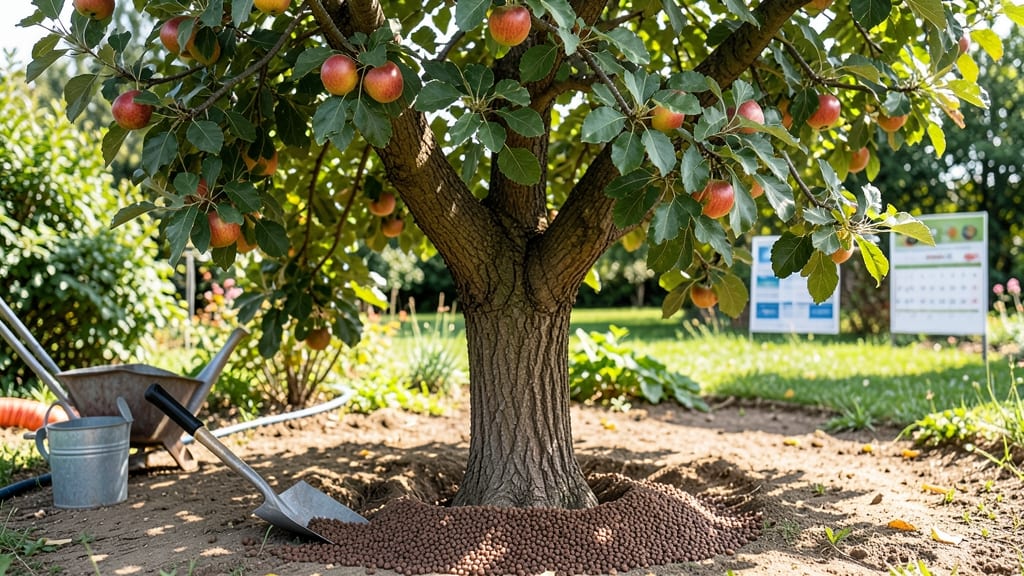
Should you fertilize your trees now or wait until spring? The right timing makes all the difference for your 🌳's health and growth.
Struggling to decide when to fertilize your trees? Timing is everything—fertilize too early or late, and you could stunt growth, waste nutrients, or even harm your trees. Most gardeners get this wrong, especially in Zone 6a, where seasons shift quickly.
In this guide, I’ll break down the best seasons to feed your trees, how to read their needs, and what mistakes to avoid. Whether you have a young sapling or a mature oak, knowing when to fertilize ensures your trees thrive for decades.
You’ll learn the exact months to apply fertilizer, how often to repeat it, and the simple signs that tell you when your trees are hungry—or overfed.
Best seasons to fertilize trees for maximum growth and health
Fertilizing your trees at the right time can mean the difference between lush, vigorous growth and struggling, nutrient-deficient foliage. Timing matters because trees have distinct growth cycles, and feeding them outside these windows can waste nutrients or even harm their roots.
For example, applying fertilizer in late fall or winter when trees are dormant won't help—and could encourage weak, frost-sensitive growth. Let’s break down the best seasons to fertilize, tailored for both deciduous and evergreen trees, plus climate-specific adjustments to keep your trees thriving.
Most gardeners focus on spring fertilization because that’s when trees wake up from dormancy and begin actively growing. However, evergreens and young trees often benefit from a light feeding in early summer to support their rapid growth.
The key is understanding your tree’s specific needs—whether it’s a fruit-bearing deciduous tree like an apple or a needle-leaved evergreen like a pine. Let’s dive into the seasonal breakdown to ensure you’re fertilizing at peak times for your trees.
🌱 Comparison Table: Best Fertilization Times by Season
| Season | Best Time to Fertilize | Deciduous Trees | Evergreen Trees | Climate Adjustments |
|---|---|---|---|---|
| Spring | Early to mid-spring (after last frost) | Apply balanced fertilizer (10-10-10) when buds swell but before leaves emerge. | Use slow-release fertilizer in late spring to avoid salt burn. | In warmer climates, fertilize slightly earlier (Feb-March). |
| Summer | Early summer (June) | Light feeding for young or fruiting trees; avoid heavy fertilizer. | Skip or use organic fertilizer like compost tea. | In dry climates, water deeply before fertilizing. |
| Fall | None (avoid fertilizing) | Trees prepare for dormancy; fertilization can stimulate late growth, harming winter hardiness. | Focus on mulching instead of fertilizing. | In mild winters, avoid fertilizing until late winter. |
| Winter | None (dormant period) | Trees don’t need nutrients; focus on soil protection. | Evergreens may need watering but no fertilizer. | In snowy regions, wait until snow melts before spring feeding. |
Spring is the golden window for fertilizing most trees, especially deciduous varieties like oaks, maples, and fruit trees. Aim to apply fertilizer 4-6 weeks after bud break when roots are actively growing.
For example, if your apple tree blooms in early April, wait until late April or early May to fertilize. This timing ensures nutrients are available when the tree needs them most for leaf and fruit production.
Evergreen trees, such as pines, spruces, and firs, have different needs. They grow year-round in mild climates, so a light feeding in early summer can help sustain their growth.
However, avoid heavy fertilization in late summer or fall, as it can lead to salt buildup in the soil, which damages roots. Instead, opt for organic fertilizers like compost or worm castings, which release nutrients slowly and improve soil health over time.
Climate plays a huge role in fertilization timing. In warmer southern regions, like USDA Zones 8-10, you might fertilize as early as February or March to align with the tree’s natural growth cycle.
Conversely, in colder northern climates (Zones 3-5), wait until after the last frost, often late April or May. Always check your local frost dates to avoid fertilizing too early, which can encourage tender growth that’s vulnerable to frost damage.
One common mistake is over-fertilizing in summer, thinking it will boost growth during hot months. However, trees are less active in summer and can’t absorb excess nutrients efficiently. This often leads to burnt roots or leaf scorch.
Instead, focus on deep watering and a light organic top-dressing in early summer to support growth without stressing the tree. If you notice yellowing leaves or stunted growth, it might be a sign of nutrient deficiency or over-fertilization.
For young trees, especially those planted in containers or bare-root, a slow-release fertilizer applied at planting time can provide nutrients for the first 3-6 months. After that, follow the seasonal guidelines above. Mature trees, on the other hand, typically need less frequent fertilization—once a
Signs your trees need fertilization (and when to avoid it)
Deciding whether your trees need fertilization can feel like guessing—until you know what to look for. Yellowing leaves, stunted growth, or thin, sparse foliage are classic red flags that your trees are nutrient-deficient.
But before grabbing that fertilizer bag, let’s break down the visual cues and soil signals that tell you it’s time to feed your trees—or when to hold off completely.
First, check the leaf color.
Healthy trees have vibrant green leaves, but if you notice yellowing between veins (chlorosis) or brown, crispy edges, your tree might be starving for nitrogen or struggling with iron deficiency. Slow growth in spring or thin canopies compared to neighbors are other warning signs.
However, if your tree is already overly lush with dark green leaves, it might be getting too much fertilizer.
Don’t rely on guesswork—soil tests are your best friend. A simple pH test (aim for 6.0–7.0 for most trees) and nutrient analysis can reveal deficiencies like low phosphorus or potassium.
If your soil is already rich in nutrients, fertilizing could burn roots or leach into groundwater, harming local ecosystems. Always test before treating!
Young trees (under 3 years old) often need more frequent feeding—every 4–6 weeks during growing season—while mature trees may only need a single annual boost in early spring. Evergreens like pines or spruces also have different needs than deciduous trees like oaks or maples, so research your specific species.
🌱 When Should I Fertilize My Trees?
- ✅ Do fertilize: In early spring (March–April) when new growth starts.
- ✅ Do fertilize: If leaves are yellowing or sparse or growth is stunted.
- ✅ Do fertilize: After a soil test confirms nutrient deficiencies.
- ❌ Avoid fertilizing: In summer heat (burns roots) or winter dormancy.
- ❌ Avoid fertilizing: If leaves are dark green and lush (over-fertilized).
- ❌ Avoid fertilizing: Without testing—guessing can harm your tree.
💡 Pro Tip: Water trees deeply after fertilizing to help nutrients absorb.
Over-fertilizing is a common mistake that can lead to root burn, leaf scorch, or even tree death. Signs of over-fertilization include dark green, leathery leaves, excessive new growth (weak, floppy branches), or white crust on soil surface.
If you see these, flush the soil with water and avoid fertilizing for 6–12 months.
For organic options, try compost, aged manure, or worm castings—they release nutrients slowly and improve soil health. Synthetic fertilizers work faster but require precision. Always follow package instructions and measure carefully. A little goes a long way with trees!
Remember, healthy soil = healthy trees. Focus on mulching, proper watering, and seasonal care rather than relying solely on fertilizer. When in doubt, test your soil and observe your tree’s natural cues—your green thumbs will thank you! 🌳