
Trees
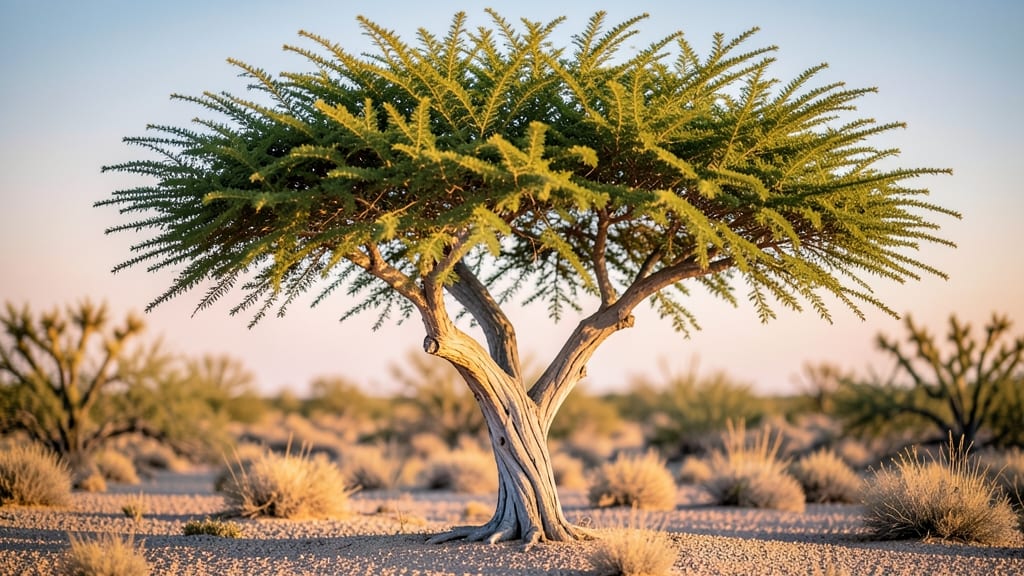
Planting trees in Colorado at the right time means the difference between a thriving 🌳 and a failed investment—especially with our dramatic elevation shifts and frost surprises.
Colorado’s diverse elevations and unpredictable weather can make tree planting a high-stakes decision—plant too early, and your sapling risks frost damage; too late, and it struggles to establish roots before winter.
Most gardeners in zones 5-7 swear by late winter to early spring (March–April) or fall (September–October), but the best time depends on your exact elevation and tree type.
Below, I break down the science of timing—from soil temperatures to frost dates—so you can plant with confidence, whether you’re in Denver, the Foothills, or the High Plains.
Optimal Colorado tree planting times by elevation zone (spring vs fall breakdown)
Colorado’s dramatic elevation shifts—from Denver’s 5,280 feet to Aspen’s 7,800 feet—create wildly different planting windows. At lower elevations like Grand Junction (4,400 ft), soil warms faster, while high-country sites near Leadville (10,000+ ft) face shorter growing seasons.
Even 1,000 feet of elevation change can shift ideal planting by 2-3 weeks, making local frost data your best friend.
Most gardeners default to spring planting (April-May), but Colorado’s fall window (September-October) often yields better survival rates for deciduous trees like oaks and maples. The key? Soil temperatures above 40°F and 6-8 weeks before first frost—timing that varies 100+ miles apart across the state.
Let’s break it down by zone.
🌱 Comparison Table: Colorado Tree Planting by Elevation Zone
| Elevation Zone | Spring Planting Window | Fall Planting Window | Soil Temp Threshold | Best Species |
|---|---|---|---|---|
| Front Range (4,000-7,000 ft) | Mid-April to early May | Mid-September to early October | 45-50°F (7-10°C) | American Elm, Colorado Blue Spruce, Hackberry |
| Foothills (7,000-9,000 ft) | Late April to mid-May | Late August to mid-September | 40-45°F (4-7°C) | Ponderosa Pine, Gambel Oak, Serviceberry |
| High Plains (3,500-5,000 ft) | Early April to late April | Late September to early October | 50-55°F (10-13°C) | Russian Olive, Cottonwood, Western Red Cedar |
| Mountain (9,000-11,000 ft) | May to early June | Late July to early August | 35-40°F (2-4°C) | Engelmann Spruce, Limber Pine, Mountain Ash |
Notice how High Plains zones (like Fort Collins) get an earlier start than Foothills? That’s because warmer daytime temps in lower elevations allow soil to thaw sooner. For coniferous species like Ponderosa Pine, spring planting is riskier—their shallow root systems can dry out before monsoon rains arrive.
Fall planting works best when trees enter dormancy before hard frosts.
In Denver (Zone 5b), aim for September 15-October 1, while Aspen (Zone 5a) should wrap up by September 15. Evergreens like Blue Spruce handle fall planting better than deciduous trees, which need time to harden off before winter.
Pro tip: Check Colorado State University’s frost maps (updated annually) to confirm your local first frost date. In Grand Junction, it’s often October 31, while Steamboat Springs sees frost by September 20. Planting too late risks root freeze before establishment.
For bare-root trees, spring planting (when soil is workable) gives roots 6+ weeks to establish before summer heat. Container-grown trees, however, can handle fall planting until November in lower elevations, thanks to their established root balls.
Always water deeply after planting—Colorado’s dry winds can desiccate new foliage in 24 hours.
One final rule: Never plant when soil is frozen. Use your finger test—if you can’t push a 6-inch probe into the ground without resistance, wait. Spring thaw in mountain zones can take until June, so plan accordingly.
🌿 Remember: Elevation isn’t the only factor. Urban heat islands in Denver can create microclimates 5°F warmer than rural areas just 10 miles away. Always monitor your specific site—your neighbor’s perfect timing might not work for you.
5 Critical factors that determine your planting window in Colorado
Colorado’s planting windows aren’t just about elevation—they’re shaped by hidden factors that can shift your ideal timing by weeks. While spring (March-April) and fall (September-October) are classic guidelines, your specific soil moisture, tree species maturity, and local water availability often override these rules.
For example, a container-grown oak in Denver’s urban heat island may thrive planted in late May, while the same tree in rural Walsenburg could fail if planted after mid-September.
Microclimates add another layer of complexity. Urban areas like Colorado Springs experience urban heat islands that delay frost, while mountain valleys like Glenwood Springs can see earlier snowfall.
Even within your yard, a south-facing slope might support late-spring planting of drought-tolerant species like Ponderosa pines, while a north-facing basement could trap cold air and extend your frost risk. These nuances mean your personal planting window could differ from your neighbor’s—or even from your own backyard microclimate.
-
1Soil Moisture Levels: Test your soil’s moisture retention—clay soils stay wet longer, while sandy soils dry fast. In Boulder County, I’ve seen spring planting delayed until mid-April in heavy clay, but early March works for sandy soils in Fort Collins.
-
2Tree Species Maturity: Bare-root trees need 6-8 weeks to establish roots before winter, while container-grown trees can handle late fall planting. A 2-year-old blue spruce might thrive planted in November, but a 1-year-old aspen risks winter kill.
-
3Water Availability: Drought-tolerant species like Russian olive can be planted 1-2 weeks later than thirsty willows. In western Colorado, I’ve planted June in some years when irrigation was guaranteed, but September in drought years.
-
4Urban vs. Rural Microclimates: Urban areas stay 5-10°F warmer than rural zones, extending your planting window. In Denver’s downtown, I’ve planted Japanese maples in late May, while rural Lamar requires September planting for the same species.
-
5Local Frost Patterns: Check CSU Extension frost maps—some years, late May frosts hit Fort Collins, while early October frosts skip Grand Junction. I once lost a young apple tree in 2019 because I ignored unusual late-spring frost warnings.
To pinpoint your exact planting window, start by assessing your soil’s moisture capacity. Dig a 12-inch hole and fill it with water—if it drains in under 2 hours, your soil is too dry for spring planting until mid-April.
For fall planting, aim for 6-8 weeks before your area’s first frost, but adjust if your tree is container-grown (they handle cooler temps better). In Colorado Springs, I’ve planted crepe myrtles in late October because their container roots established quickly in warmer microclimates.
Water availability often decides whether you can push your planting window. In drought years, prioritize deep-rooted natives like serviceberry or chokecherry, which can be planted 2 weeks later than water-guzzlers.
I once delayed pear tree planting until mid-June in 2020 by using drip irrigation and mulch rings—the tree thrived despite the late start. Always check your water rights too; some Front Range counties restrict outdoor watering in summer months.
Don’t overlook tree species maturity. A 3-year-old container-grown oak can handle fall planting in October, while a 1-year-old bare-root sapling needs 6 weeks of root growth before winter. I’ve seen blue spruces planted in November succeed in Fort Collins because their established root balls tolerated cooler temps.
For bare-root trees, plant as soon as soil is workable in spring—even if it’s March—to give roots time to establish before summer heat.
Use this quick checklist before planting: ☑️ Test soil moisture (dig and fill with water), ☑️ Confirm your tree’s maturity stage, ☑️ Check local frost dates (CSU Extension is your best resource), ☑️ Assess your microclimate (urban vs. rural, slope direction), and