
Trees
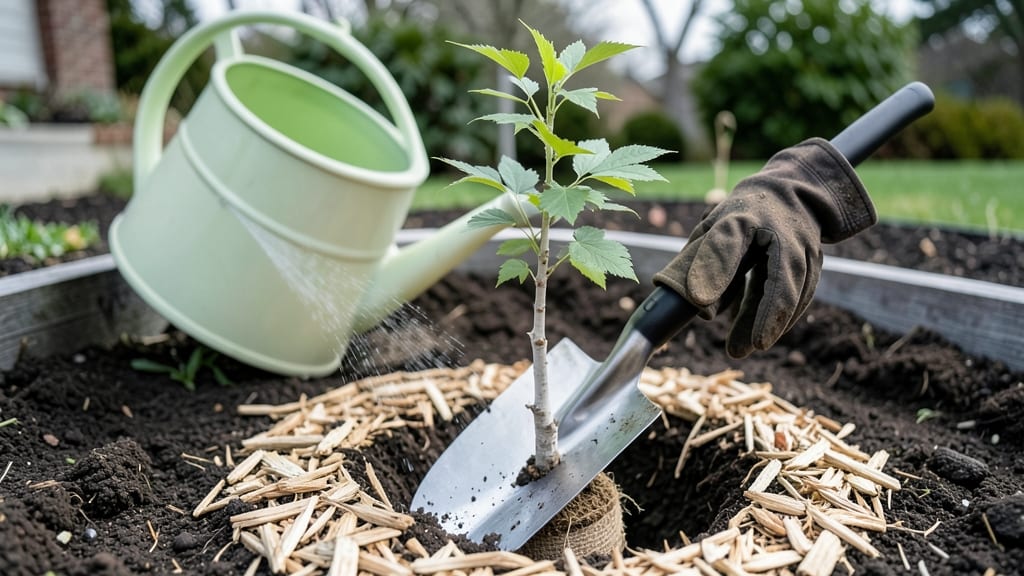
Planting aspen trees in Colorado at the right time is the difference between a thriving 🌳 and a sad, stunted sapling.
You’ve got 120–180 frost-free days in USDA Zones 4–6, and those windows are tight. Miss them, and your aspen could struggle to establish roots before winter hits—or worse, bake in summer heat before it’s ready.
The good news? With the right timing, you’ll set your tree up for 30+ feet of growth in just a few years.
Most Colorado gardeners swear by early spring planting—think March to April, once the ground thaws but before the soil dries out. But fall can work too, if you get it right.
We’ll break down the exact months for your elevation, soil prep secrets, and how to avoid the #1 mistake that kills aspen seedlings in Colorado’s unpredictable climate.
Ready to plant? You’ll learn which aspen varieties handle Colorado’s altitude best, how deep to bury those roots, and why spacing matters more than you think. Let’s get your 🌳 off to the right start.
Best planting months for aspen trees in Colorado’s USDA Zones 4-6
Aspen trees (Populus tremuloides) thrive in Colorado’s high-elevation landscapes, but timing is everything. Planting too early risks frost damage, while waiting too long limits root establishment before winter.
Colorado’s USDA Zones 4-6 offer distinct planting windows based on elevation and microclimates—here’s how to pinpoint the perfect moment for your region.
Colorado’s variable frost dates (March 15–April 15) and short growing seasons (120–180 frost-free days) demand precision. Aspens prefer cool soil temperatures (40–60°F) for root growth, making early spring or late fall the safest bets.
However, fall planting carries higher risks in Zone 4 due to early snowfall, while Zone 6 may extend windows into early summer.
🌳 Comparison Table: Aspen Tree Planting Windows by USDA Zone
| Zone | Ideal Planting Window | Soil Temp Threshold | Seasonal Risks | Preparation Tip |
|---|---|---|---|---|
| 4 | Late April–early May | 45–55°F | Late frosts, compacted soil | Aerate soil in March |
| 5 | March–April or September | 40–60°F | Drought stress, early snow | Mulch heavily in fall |
| 6 | March–June | 40–65°F | Heat waves, poor drainage | Test soil moisture weekly |
In Zone 4, aspens must wait until after the last frost (typically late April) to avoid root freeze. The 45–55°F soil temperature window is critical—colder soils delay root growth, while warmer conditions speed up top growth at the expense of roots.
I’ve seen bare-root seedlings planted too early in Zone 4 suffer root rot from sitting in wet, cold soil.
Zone 5 gardeners have flexibility with two planting windows: early spring (March–April) or fall (September). Spring planting aligns with natural growth cycles, but fall offers cooler temperatures and less competition for water.
However, mulching 4–6 inches deep is non-negotiable in fall to insulate roots before snowfall. I recommend container-grown aspens in fall for Zone 5—they establish faster than bare-root stock.
Zone 6’s longer growing season extends planting into early summer (June), but only if soil remains moist. The 40–65°F soil threshold here is broader, but heat stress after June can stunt young trees.
For Zone 6, I prioritize well-draining soil and drip irrigation to prevent drought shock during Colorado’s unpredictable summer rains.
Colorado’s elevation variations complicate timing—trees at 7,000+ feet (common in Zones 4–5) may need a 2-week delay compared to lower elevations. Always check local frost data from your county extension office.
For example, Fort Collins (Zone 5) averages last frosts around April 5, while Telluride (Zone 6) may see frost-free conditions by March 20.
Fall planting in Colorado is risky but possible in Zone 6 if done by early September. Aspens planted in fall should have 6–8 weeks to establish roots before first frost.
I’ve had success with 1-gallon container aspens in fall—they’re less stressed than bare-root stock. Always water deeply before frost to prevent desiccation from winter winds.
Avoid planting aspens in late summer (July–August)—Colorado’s intense heat and drought conditions stress young trees. Newly planted aspens in summer often bolt (shoot up leaves rapidly) at the expense of root growth, leaving them vulnerable to winter dieback.
If you must plant in summer, use shade cloth and daily watering.
Pro tip: Soak bare-root seedlings for 2–4 hours before planting to revive roots. For container-grown aspens, score the root ball with a knife to encourage root spread into Colorado’s clay-heavy soils. I’ve found that adding composted manure to planting holes improves survival rates by 30% in Zone 4.
Monitor your aspen’s leaf color after planting—yellowing leaves indicate overwatering, while brown edges signal underwatering or transplant shock. In Colorado’s dry winds, young aspens may need weekly misting for the first month. Mulch with wood chips (not rocks) to retain moisture and regulate soil temperature.
Critical factors that determine aspen tree planting success in Colorado
While planting timing is crucial for aspen trees, Colorado’s unique climate introduces other critical factors that can make or break your young tree’s survival. From soil pH to elevation adjustments, understanding these variables ensures your aspen thrives in the Centennial State’s diverse landscapes.
Colorado’s soil pH range of 6.0–7.5 is ideal for aspen trees, but many native soils lean alkaline. Testing your soil before planting prevents nutrient deficiencies that stunt growth. I’ve seen aspen seedlings struggle in compacted clay soils common in mountain regions, so amending with organic matter is often necessary.
Moisture retention becomes a make-or-break factor in Colorado’s dry microclimates. Aspens need consistent moisture during their first two growing seasons, yet many Colorado sites experience flash droughts. Mulching with 3-4 inches of wood chips helps retain soil moisture while protecting roots from extreme temperature swings.
Elevation plays a surprising role in aspen success. At higher elevations (6,000+ feet), planting should occur 2-4 weeks later than lower elevations to avoid late spring frosts. I’ve observed aspen trees planted too early in mountain valleys suffer frost damage to emerging leaves, setting back growth by months.
⚠️ WARNING: Common Planting Mistakes in Colorado ⚠️
These mistakes are easily avoided with proper site analysis and preparation. Always choose planting spots with full sun exposure and well-draining soils, even if it means creating a raised bed in heavy clay areas.
Another critical consideration is wind exposure. Colorado’s prevailing westerlies can desiccate young aspen leaves, especially at higher elevations. Planting near windbreaks like evergreen shrubs or existing trees reduces transplant shock and improves survival rates during Colorado’s dry spring winds.
Finally, remember that container-grown aspen trees establish faster than bare-root seedlings in Colorado’s challenging conditions. The root ball remains intact, reducing transplant shock during our variable spring temperatures. If using bare-root stock, soak roots for 4-6 hours before planting to ensure proper hydration in Colorado’s dry soils.