
Plants
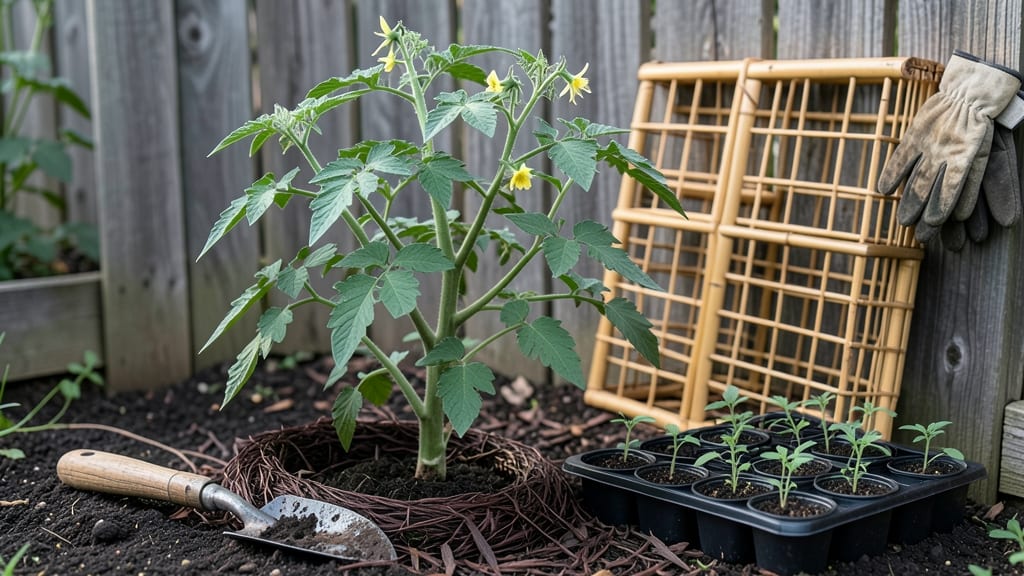
The best time to plant tomatoes in Virginia is 2-4 weeks after your last spring frost — a window that shifts from mid-March in Zone 8a to late April in Zone 6a.
Virginia’s warm springs and long summers make it a tomato gardener’s paradise—but planting too early or late can mean the difference between a bountiful harvest and wilted disappointment. Timing is everything, and missing the optimal window by even a week could leave your plants vulnerable to frost or disease.
Most gardeners in Virginia wait until soil temperatures hit at least 60°F and nighttime lows stay above 50°F before transplanting seedlings. This ensures strong root growth and prevents blossom-end rot, a common issue when plants struggle in cool soil.
In this guide, I’ll break down the exact week-by-week deadlines for your USDA zone, regional adjustments for Coastal Plain vs. Piedmont, and how to extend your growing season with row covers.
You’ll also learn how to spot the signs of planting too early and what to do if you’ve already missed the mark.
Virginia’s tomato planting deadlines by USDA hardiness Zone (exact weeks after last frost)
Timing your tomato planting in Virginia depends on your specific USDA hardiness zone and whether you're starting with seedlings or seeds. The common zones—6a through 8a—each have slightly different frost risks and soil warming patterns.
For best results, aim to plant after your average last frost date, but don’t wait too long or your plants may struggle to mature before fall frost.
Most Virginia gardeners plant tomatoes between April and June, but the exact window shifts depending on your zone. In Zone 8a (southern Virginia), you can start as early as mid-March, while Zone 6a (mountain regions) may wait until late April.
Soil temperature is just as critical as air temperature—tomatoes thrive when soil reaches at least 60°F.
Here’s a breakdown of your planting deadlines by zone, including soil temperature thresholds and frost risk timelines for both transplants and direct sowing:
For transplants, the goal is to give your plants enough time to establish roots and produce fruit before the first frost.
If you’re in Zone 6a, for example, planting 3–4 weeks after your last frost (around May 15–June 1) ensures your tomatoes have time to mature before fall frost hits in mid-November.
In Zone 8a, you can plant as early as March 1–15 because the growing season is longer.
If you’re direct sowing seeds, give yourself an extra 1–2 weeks to account for slower germination. Seeds need consistent soil temperatures of 70°F+ to sprout reliably, so wait until the soil has warmed up fully.
In Zone 7a, this typically means planting 2–3 weeks after last frost (around April 15–May 1).
Pro tip: Use a soil thermometer to confirm your soil is ready. If temperatures dip below 60°F, your seedlings may struggle to absorb nutrients, leading to stunted growth or disease.
In cooler zones like 6a, consider using black plastic mulch or row covers to warm the soil faster and extend your planting window.
For fall planting, you can try a second crop in Zones 7b and 8a by planting late July or early August for
How to adjust planting time for Virginia’s microclimates (coastal vs. Piedmont vs. mountains)
Virginia’s diverse geography creates three distinct tomato-growing zones, each with unique frost dates and growing seasons. Coastal areas like Norfolk enjoy 60+ frost-free days, while mountain regions near Roanoke face shorter summers. Understanding these differences ensures your tomato plants thrive—not just survive.
Coastal Virginia’s longer growing season (USDA Zones 7b-8a) means you can plant transplants as early as March 15 in protected areas. Meanwhile, the Piedmont region (Richmond) typically waits until April 15, and mountain areas like Blacksburg often delay until May 1 to avoid late frosts.
The key difference? Coastal areas warm faster in spring, while mountain regions stay cooler longer. For example, Norfolk’s average last frost is March 15, but Roanoke’s is April 30. This 6-week difference can mean the difference between a full harvest and a failed crop.
To extend your growing season, use row covers or cold frames in all regions. Coastal gardeners can plant a second crop in late July for fall harvests, while mountain gardeners should focus on early-maturing varieties like ‘Early Girl’ (60 days).
Pro tip: Check your local Virginia Cooperative Extension frost maps for precise dates. Even within cities, microclimates vary—a hilltop in Richmond may frost 2 weeks later than a valley. Adjust your planting zone-by-zone for maximum success.
With the right timing, Virginia’s diverse climates can all produce juicy, homegrown tomatoes—just plant smart! 🌱🍅