
Plants
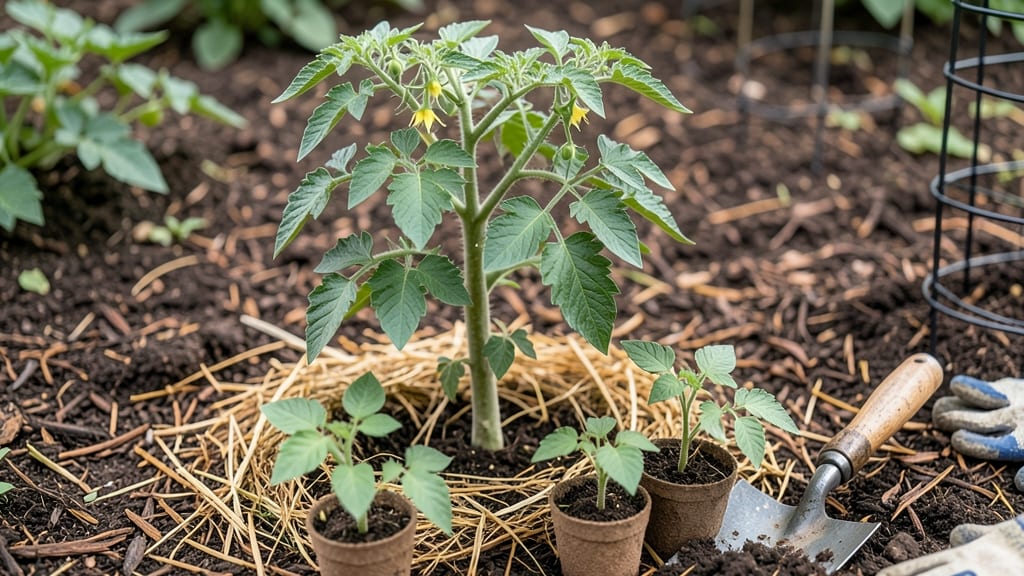
The best time to plant tomatoes in Missouri is between April 15 and May 15, after your last frost date and when soil temperatures hit 60°F—but getting this wrong can mean the difference between a bumper crop and wasted effort.
Missouri gardeners know timing is everything—plant tomatoes too early, and frost will kill your seedlings; too late, and your harvest arrives just as summer fades. But with precise USDA Zone 5b-6b planting windows, you can maximize yields and avoid common pitfalls.
Most Missourians wait until late April or early May, but your exact window depends on whether you're starting seeds indoors or transplanting. Indoor starts need a head start, while direct-sown tomatoes thrive when soil warms naturally.
Below, I break down the exact dates by zone, soil prep tips to speed up warming, and the one shortcut that buys you an extra two weeks of growing season—no matter where in Missouri you live.
Missouri tomato planting calendar: exact dates by USDA Zone 5b-6b for frost-free success
Missouri’s USDA Zones 5b-6b create a unique growing window for tomatoes, where timing determines success. Whether you’re starting seeds indoors or transplanting seedlings, knowing the last frost dates and soil temperature thresholds is critical.
In Zone 5b (northern Missouri), the average last frost is April 15, while Zone 6b (southern Missouri) sees it 2-3 weeks earlier. Plant too soon, and frost will kill tender seedlings; too late, and your harvest shrinks before summer ends.
For direct sowing outdoors, wait until the soil reaches 60°F (15°C)—a key threshold for germination. In Missouri, this typically aligns with late April to early May in Zone 5b and mid-April in Zone 6b.
If you’re transplanting seedlings, aim for 2-3 weeks after the last frost to give plants time to establish roots before summer heat arrives. This means May 1-15 in most of Missouri, but urban areas may need adjustments due to heat islands.
Here’s your Missouri tomato planting calendar broken down by zone, method, and regional variations:
Missouri’s microclimates can shift planting windows by 1-2 weeks. For example, urban areas like St. Louis or Kansas City often experience earlier soil warming due to concrete and pavement, while rural areas may need to wait longer.
If you’re in a sheltered spot (e.g., near a south-facing wall), you can plant 1 week earlier than the average date.
For late-season planting, focus on fast-maturing varieties like ‘Early Girl’ or ‘Stupice’ (a cold-hardy heirloom). These can be sown as late as June 1-15 in Zone 5b and June 15-30 in Zone 6b, giving you a small harvest before frost.
Use black plastic mulch to extend the season by 2-3 weeks and protect plants from early fall chills.
Pro tip: Test your soil temperature with a thermometer before planting. If it’s below 60°F (15°C), wait 3-5 days—cold soil delays germination and weakens seedlings. In my garden, I’ve seen seedlings take 3x longer to sprout when soil temps hover around 55°F (13°C) compared to 65°F (18°C).
Container gardeners should adjust their timeline by 1-2 weeks earlier since pots heat up faster than in-ground soil. If you’re using 5-gallon buckets, fill them with well-draining potting mix and place them in full sun.
Water deeply every morning to prevent roots from drying out, especially in Zone 6b’s hot summers.
Missouri’s first frost typically arrives around
5 Critical factors that determine your Missouri tomato planting success (beyond just dates)
Missouri’s USDA Zones 5b-6b offer a narrow window for tomato success, but soil temperature and microclimates can shift your ideal planting dates by weeks. I’ve learned that even following the "after last frost" rule isn’t enough—your seedling maturity and nighttime lows matter just as much.
Let’s break down the hidden factors that separate thriving tomato plants from disappointing harvests.
First, soil temperature is your silent partner in tomato growth. Tomatoes need soil at 60°F or warmer to thrive, but cold soil slows root development and invites disease.
In Missouri’s Zone 5b areas (like St. Louis), soil may hit 60°F by mid-April, while Zone 6b (Kansas City) might wait until late April. Use a soil thermometer to confirm—planting too soon in chilly soil stresses seedlings.
Don’t overlook microclimates—they can shift your planting window by weeks. Urban areas like St. Louis often experience heat islands, where pavement and buildings trap warmth. This can let you plant 1-2 weeks earlier than rural zones.
Conversely, northern Missouri (e.g., Sedalia) may need a 2-week delay to avoid late spring frosts. Test your microclimate by checking neighborhood frost dates—they’re often later than official averages.
For container gardening, timing shifts dramatically. Pots heat up faster than soil, so you can plant 2 weeks earlier than ground planting. Use 5-gallon containers (minimum) and dark-colored pots to absorb heat.
I’ve found that cherry tomatoes in containers often ripen 2-3 weeks earlier than ground-planted varieties due to better heat absorption. Just watch for drought stress—containers dry out 2x faster in Missouri’s summer sun.
Finally, seedling maturity is the wildcard most gardeners miss. Transplant 4-6 week old seedlings with 4-6 true leaves—younger seedlings struggle to establish roots in Missouri’s variable spring weather.
Start seeds indoors 6-8 weeks before last frost (late February to early March) for optimal transplant timing. If you’re direct-sowing, wait until soil is 70°F+ to avoid seed rot.
Master these factors, and you’ll turn Missouri’s short growing season into a tomato powerhouse. My best harvests came from adjusting for soil temp and microclimates—not just following a calendar. Start with these tweaks, and your plants will thank you with juicy, disease-free fruit all summer. 🌱