
Plants
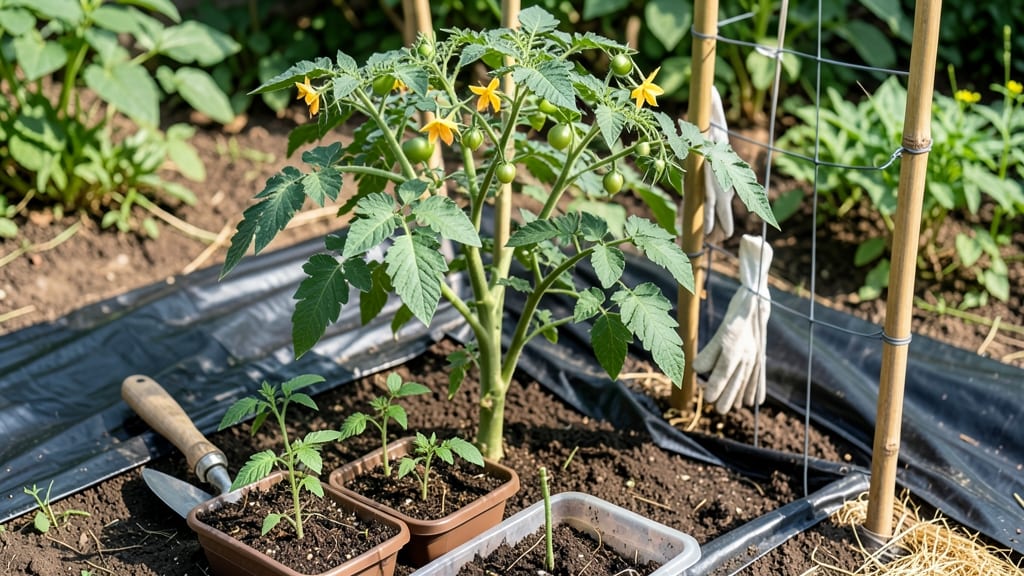
Planting tomatoes in Tennessee at the right time means the difference between a bountiful harvest and a sad pile of frost-nipped seedlings.
Tennessee’s warm summers and unpredictable frost patterns make timing your tomato planting critical—get it wrong, and your $50 worth of seedlings could turn to ice in a single night.
But with the right USDA zone knowledge, you can plant tomatoes just as the soil warms, ensuring a bumper crop before fall’s first chill.
Most gardeners in USDA zones 6a-7b should wait until after the last frost date, which typically falls between mid-April and early May. However, regions like East Tennessee’s higher elevations may need to hold off until early May, while West Tennessee’s warmer microclimates can start as early as late March.
In this guide, I’ll break down the exact planting windows by zone, share soil temperature tricks to extend your season, and reveal the one mistake that ruins more Tennessee tomato crops than anything else.
Tennessee’s USDA zones and exact tomato planting months by last frost date
Tennessee spans USDA zones 5a through 7b, creating dramatic differences in tomato planting windows. In zone 5a (East Tennessee mountains), late frosts linger until May 10, while zone 7b (Memphis area) sees safe planting by March 20.
These variations mean your tomato seedlings could face 30+ days of frost risk if planted too early—especially in the Cumberland Plateau where April freezes aren’t uncommon.
To avoid frost damage, always wait until soil temperatures hit 60°F+ and nighttime lows stay above 50°F. Use a soil thermometer—cool soil slows germination, and cold roots invite disease.
My rule of thumb: Plant heirloom varieties 2-3 weeks after your zone’s last frost date for maximum heat tolerance.
Here’s your zone-by-zone planting guide, including last frost dates, ideal transplant windows, and high-risk periods for late freezes:
For zone 5a gardeners, consider row covers or cold frames to extend your season—some nurseries sell tomato-specific covers that let sunlight through while blocking -2°F drops. In zone 7b, start early varieties like ‘Celebrity’ or ‘Early Girl’ by late February indoors, then
How to time tomato planting for maximum yield: soil prep and transplant tricks
Timing your tomato planting in Tennessee isn’t just about avoiding frost—it’s about giving your plants the perfect head start. Nashville’s April 15th average last frost might seem like a safe bet, but Chattanooga’s April 5th reality means you need flexibility.
The key? Soil temperature matters more than air temperature—your tomatoes need 60°F+ soil to thrive, not just frost-free nights.
Start by testing your soil’s readiness with a soil thermometer. If it’s below 60°F, even with warm days, your seedlings will struggle. In East Tennessee’s cooler zones, this could mean waiting until early May.
Meanwhile, West Tennessee gardeners might plant as early as late March if they use row covers to protect against late frosts.
📌 Key Steps to Extend Your Tomato Season
- 🌱 Plant cover crops (like clover) in fall to warm soil faster in spring.
- 🌡️ Use black plastic mulch 2 weeks before planting to raise soil temps 5-10°F.
- 🌿 Hardening off seedlings for 7-10 days before transplanting to avoid shock.
- 🛡️ Keep row covers handy for late frosts (even after last frost date).
- ⏰ Plant early varieties (like ‘Early Girl’) 4-6 weeks before last frost.
For early starts, try sowing seeds indoors 8-10 weeks before your last frost date. Use grow lights to simulate long days, and transplant seedlings when they’re 4-6 inches tall.
In Chattanooga’s Zone 7a, this means starting seeds by March 1st, while Memphis’ Zone 7b gardeners can wait until March 15th.
Don’t forget soil prep—Tennessee’s clay-heavy soils need organic matter to drain well. Mix in compost or aged manure 4-6 weeks before planting. Add a slow-release fertilizer (like 10-10-10) at planting time to fuel early growth. Cauliflower or radish cover crops also improve soil structure while suppressing weeds.
After transplanting, water deeply to settle soil around roots, and mulch with straw to retain moisture. In Nashville’s humid climate, mulch also prevents soil-borne diseases. If a late frost threatens, throw on floating row covers—they let light and water through while blocking 28°F+ temperatures.
Remove covers during the day to avoid overheating.
Pro tip: Succession plant every 2 weeks after your first planting for a continuous harvest. In Tennessee’s 180-210 frost-free days, this means you can squeeze in 2-3 tomato crops per season if you time it right.
Just remember: heat-loving tomatoes need relief from 90°F+ temps, so provide afternoon shade in July if possible.