
Plants
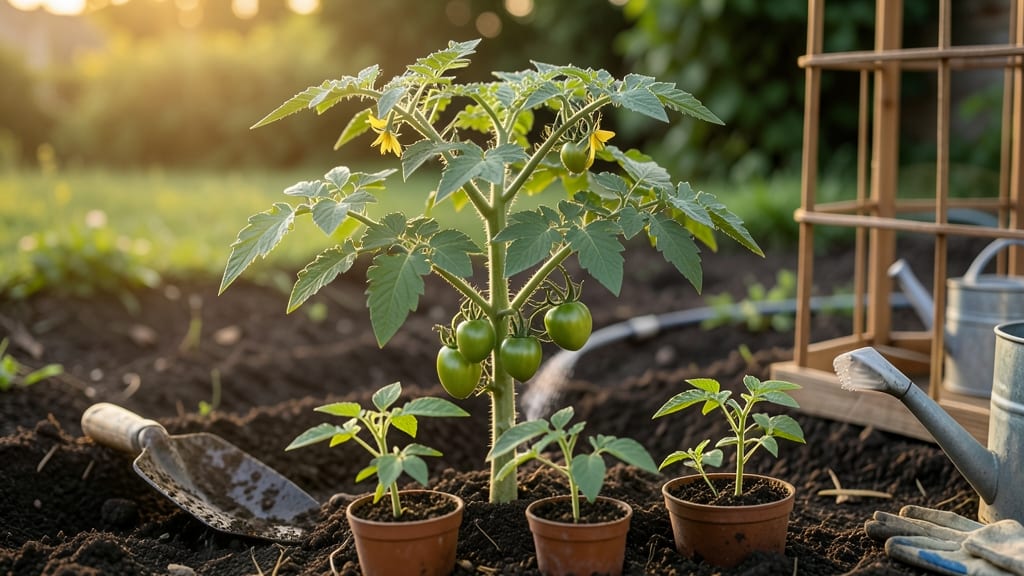
The best time to plant tomatoes in Oklahoma is after your last frost date—typically between April 15 and May 15—when soil warms to at least 60°F 🍅.
Oklahoma’s unpredictable weather can make tomato gardening a gamble—unless you plant at the perfect time. Get the exact frost-free window for your zone to maximize yields and avoid common pitfalls like late frosts or scorching summer heat.
In USDA zones 6b-7a, timing matters more than most gardeners realize. Plant too early, and a late frost will wipe out tender seedlings. Too late, and the heat arrives before the fruit sets, leaving you with leafy vines and no tomatoes.
Below, I break down the ideal planting windows by Oklahoma’s seven agricultural zones, soil prep tips to speed warming, and how to adjust for microclimates—so you can go from seedling to harvest with confidence.
Oklahoma’s frost-free planting zones for tomatoes: exact dates by county
Oklahoma’s 7 agricultural zones create wildly different planting windows for tomatoes, from the cool northern hills to the sweltering southern plains. Timing is critical—plant too early, and a late frost will kill seedlings; too late, and your harvest shrinks before winter.
I’ll break down the last frost dates by zone, plus county-specific examples to help you pinpoint your perfect planting window.
Oklahoma spans USDA Hardiness Zones 6b-7a, but microclimates mean your neighbor’s optimal planting date might be 2 weeks off from yours. For example, Panhandle counties like Cimarron can plant in early April, while northeastern counties like Adair often wait until late May.
Always check your local USDA zone map and track soil temperatures—tomatoes need 60°F+ soil to thrive.
🌱
In southern Oklahoma (zones 7b-8a), you can even start early varieties like ‘Celebrity’ or ‘Better Boy’ as soon as March 15, but always monitor soil temps. A soil thermometer ($10 at garden centers) is your best friend—tomatoes won’t germinate well below 60°F.
Pro tip: Lay black plastic mulch 2 weeks before planting to warm the soil faster.
Northern counties like Mayes or Adair often face late spring frosts in May, so I recommend waiting until May 10-15 and using row covers if you plant early.
For these areas, heat-loving varieties like ‘Solar Fire’ or ‘Heatmaster’ perform best. In contrast, western counties like Caddo can plant 4-6 weeks earlier thanks to drier, hotter conditions.
Don’t forget about fall planting! In southern zones, you can sow heat-tolerant varieties like ‘Heatwave II’ as late as July 15 for a winter harvest. Just ensure your plants mature before the first frost. For example, cherry tomatoes (55-day varieties
How to adjust planting time for Oklahoma’s microclimates and soil conditions
Oklahoma’s diverse regions—from the blackland prairies to the western plains—create unique growing challenges for tomatoes. The key to success lies in adjusting your planting timeline based on soil temperature, microclimate risks, and local frost patterns.
For example, eastern woodlands like those in Muskogee often experience later frosts, while western plains in Woodward can warm up faster but face intense summer heat. Understanding these variations helps you avoid common mistakes like blossom drop or stunted growth due to temperature swings.
One of my favorite strategies is using raised beds to give tomatoes a head start. In cooler microclimates like the Arbuckle Mountains, raised beds warm up 2-3 weeks faster than in-ground soil. Fill them with a 50/50 mix of compost and native soil to improve drainage and fertility.
For conventional gardeners, black plastic mulch can raise soil temperatures by 10-15°F, making it possible to plant 2-4 weeks earlier in areas like Oklahoma City or Tulsa. Always test soil temperature with a soil thermometer—tomatoes thrive when roots hit 60°F or warmer.
Late spring cold snaps are another Oklahoma gardener’s nemesis. If you’re in Zone 7a (like in Lawton or Ponca City), have row covers ready to protect seedlings if temperatures dip below 50°F. For organic gardeners, consider cloche tunnels or straw mulch to insulate roots.
Conventional gardeners might opt for plastic tunnels, but remember to remove them once daytime highs consistently reach 70°F to prevent heat stress. Timing is everything—plant too early, and you risk frost damage; too late, and your plants may struggle to mature before summer’s brutal heat.
- 1 Blackland Prairies (e.g., Dallas County): Plant April 20–May 5 after soil warms to 65°F; use straw mulch to retain moisture during humid summers.
- 2 Western Plains (e.g., Woodward): Start March 25–April 10 with raised beds to escape late frosts; watch for dry winds and water deeply at dusk.
- 3 Eastern Woodlands (e.g., Muskogee): Delay until May 1–15 due to later frosts; use row covers for seedlings and drip irrigation to avoid fungal diseases in shady spots.
- 4 Soil Prep for All Regions: Amend clay soils (common in blackland prairies) with sand and compost; sandy soils (like in western plains) need organic matter for moisture retention.
- 5 Late Spring Cold Snap Plan: If frost threatens after planting, cover plants with blankets or bubble wrap and water soil to release heat; remove covers by 10 AM to avoid overheating.
Don’t overlook organic soil prep timing—it can make or break your harvest. In clay-heavy blackland soils, I recommend tilling in aged manure or compost 4-6 weeks before planting to improve structure. For sandy western plains soils, mix in peat moss or coconut coir to boost water retention.
If you’re using conventional fertilizers, apply a balanced 10-10-10 at planting and side-dress with 5-10-10 when flowers appear. Pro tip: Avoid high-nitrogen fertilizers late in the season—they encourage leafy growth at the expense of fruit production.
For container gardeners, adjust your timeline by 2-3 weeks earlier since pots warm up faster. Use self-watering containers to prevent blossom end rot, a common issue in Oklahoma’s hot, dry summers.
If you’re in a high-elevation area like Oklahoma City, consider heat-tolerant varieties like ‘Heatmaster’ or ‘Solar Fire’, which thrive in temperatures up to 95°F. Always monitor your plants for early signs of stress, like yellowing leaves or dropped flowers, and adjust watering or shading accordingly.
Remember, Oklahoma’s microclimates can shift dramatically over short distances. Drive just 10 miles from a wooded area to an open field, and you might find soil temperatures 10°F warmer in the open space.
Use this to your advantage by planting heat-loving varieties in sunnier spots and shade-tolerant types near trees. With these adjustments, you’ll turn Oklahoma’s unpredictable weather into an advantage—producing bountiful tomatoes from June through October. 🌱