
Plants
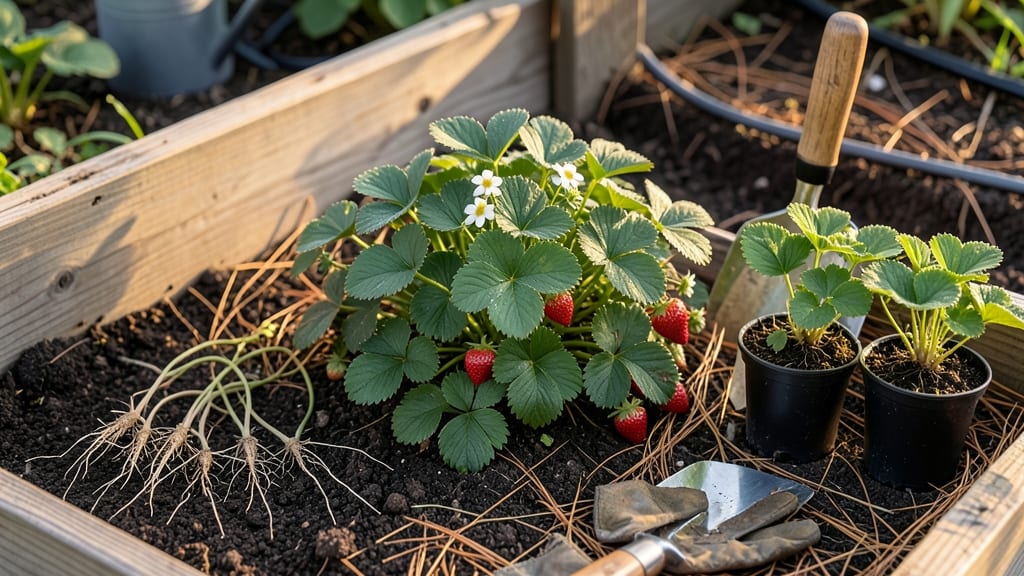
The best time to plant strawberries in Florida is between October and March, when cooler temperatures help avoid summer heat stress and yield sweeter fruit while strengthening plants.
Florida’s frost-free climate means you can grow strawberries year-round, but timing is everything. Plant too late in spring, and the heat will stifle growth; too early in summer, and your plants will struggle to establish roots. The sweet spot? Fall and winter, when temperatures stay mild and consistent.
North Florida gardeners should aim for October to February, while South Florida’s warmer zones can extend planting into early spring. Whether you’re planting in-ground or containers, the key is to give your 🍓 strawberries a head start before the summer sun peaks.
In this guide, I’ll break down the best months by USDA zone, soil prep tips, and how to keep your strawberries thriving—even in Florida’s intense heat. Ready to grow juicier berries with less hassle?
Florida’s ideal strawberry planting windows by USDA zone (avoid frost & heat stress)
Florida’s frost-free climate makes strawberries a year-round possibility—but timing still matters. Unlike northern states, you won’t face freezing temperatures, but heat stress and humidity spikes can ruin crops if planted at the wrong time.
The key is aligning your planting with Florida’s natural temperature cycles, which vary dramatically between USDA Zones 8a-11. North Florida (Zones 8a-8b) gets rare winter chills, while South Florida (Zones 10a-11) can experience summer heat waves that slow growth.
For optimal yields, focus on early fall (September-October) and winter (November-January) plantings. These windows give strawberries time to establish roots before summer’s intense heat. Spring planting (February-April) works too, but requires extra shade and watering to prevent heat stress.
Let’s break down the best months for each zone to maximize your harvest.
| USDA Zone | Best Planting Window | Why This Timing? | Avoid Planting In | Expected Harvest |
|---|---|---|---|---|
| 8a-8b (North Florida) | September-October & February-March | Cooler temps (60-75°F) prevent heat stress. Avoid winter’s rare frost (December-January). | May-August (summer heat), December-January (frost risk) | February-May & September-November |
| 9a-9b (Central Florida) | August-September & January-February | Balanced humidity and temps (65-80°F). Summer planting requires shade cloth. | June-July (peak heat), December (cooler nights) | December-April & August-October |
| 10a-11 (South Florida) | June-July & December-January | Year-round growth possible, but summer planting needs afternoon shade. Winter planting avoids humidity stress. | March-May (extreme heat), August-September (hurricane season) | September-November & March-May |
| 🌱 PRO TIP: Use shade cloth (30-50%) for summer plantings in all zones to prevent heat stress and sunburn. | ||||
In North Florida (Zones 8a-8b), your safest bet is September-October planting. This gives strawberries time to establish roots before winter’s occasional chills. A second planting in February-March ensures a spring harvest. Avoid planting in summer (May-August)—temps often exceed 90°F, causing poor root growth and fruit deformities.
For Central Florida (Zones 9a-9b), you have two prime windows: August-September for a fall harvest and January-February for spring. Summer planting (June-July) is possible but requires afternoon shade and daily watering. The goal is to keep soil temps below 85°F—any hotter, and roots struggle to absorb moisture.
South Florida (Zones 10a-11) is the most flexible, but even here, timing matters. Plant in June-July for a fall harvest or December-January for spring. Summer planting works best in elevated beds with 50% shade cloth to mimic cooler conditions.
Hurricane season (August-October) is the worst time to plant—strong winds can uproot young plants.
Regardless of zone, always choose June-bearing varieties like ‘Chandler’ or ‘Sweet Charlie’ for Florida’s climate. Ever-bearing types (e.g., ‘Seascape’) produce smaller berries but fruit year-round with proper care. After planting, mulch with straw or pine needles to retain moisture and regulate soil temps—critical in Florida’s humid heat.
One common mistake? Planting too deep. Strawberry crowns should sit just above soil level. Burying them triggers rot in Florida’s wet winters. Use well-draining soil mixed with compost (ratio: 60% soil, 30% compost, 10% perlite) to prevent waterlogging—a major issue in Florida’s clay-heavy soils.
Finally, monitor for strawberry blossom end rot in summer, caused by uneven watering. Keep soil consistently moist (not soggy) and apply a calcium supplement if you notice brown spots on berries. With the right timing, Florida’s strawberries can yield up to 1 pound per plant—double the national average!
Ready to plant? Grab your bare-root plants (cheaper) or potted varieties (faster establishment) and follow your zone’s schedule. Your first harvest could be as early as 60 days—imagine fresh, sweet strawberries straight from your Florida garden! 🍓
How to choose between bare-root vs. potted strawberry plants for Florida’s climate
Florida’s high humidity and sandy soil make strawberry planting tricky—especially when deciding between bare-root and potted plants. Both options work, but timing and prep differ drastically. Bare-root plants thrive when soil temps stay below 75°F, while potted varieties adapt better to Florida’s heat stress.
Let’s break down when to plant each for 90%+ survival rates.
Bare-root strawberries arrive dormant with no soil, forcing roots to establish quickly. In Florida, this means planting them October through March when cooler temps help roots anchor before summer heat arrives.
Potted plants, however, offer flexibility—their established root systems handle Florida’s 90°F+ days better, making them ideal for spring (April-May) or late summer (August-September) planting.
Bare-Root Strawberries
Pros
- ✅ Cheaper than potted
- ✅ Larger root development potential
- ✅ Better for fall/winter planting
Cons
- ❌ Requires immediate planting
- ❌ Struggles in heat above 75°F
- ❌ Root shock risk if delayed
Potted Strawberries
Pros
- ✅ Heat-tolerant root systems
- ✅ Plant anytime (even summer)
- ✅ Faster fruiting in Florida
Cons
- ❌ More expensive upfront
- ❌ Limited root expansion
- ❌ Pot-bound risk if not transplanted
For bare-root plants, soak roots in water for 2-3 hours before planting to reduce transplant shock. In Florida’s sandy soil, mix in compost or peat moss to retain moisture. Potted plants need gradual acclimation—harden them outdoors for 7-10 days before transplanting to avoid sunburn.
Florida’s North vs. South divide matters too. North Florida (Zones 8a-8b) can handle bare-root plants until mid-March, while South Florida (Zones 9a-11) should stick to potted varieties year-round. Always test soil pH (5.5-6.8) and amend with lime or sulfur as needed.
Pro tip: Use shade cloth (30-50%) for newly planted strawberries during peak summer months to prevent heat stress. Mulch with straw or pine needles to keep roots cool and moist—critical for Florida’s humid summers.
Whether you choose bare-root or potted, Florida’s year-round growing potential means you can enjoy fresh strawberries almost any month. Start with the right plant type for your season, and you’ll be harvesting sweet, juicy berries in no time! 🍓