
Plants
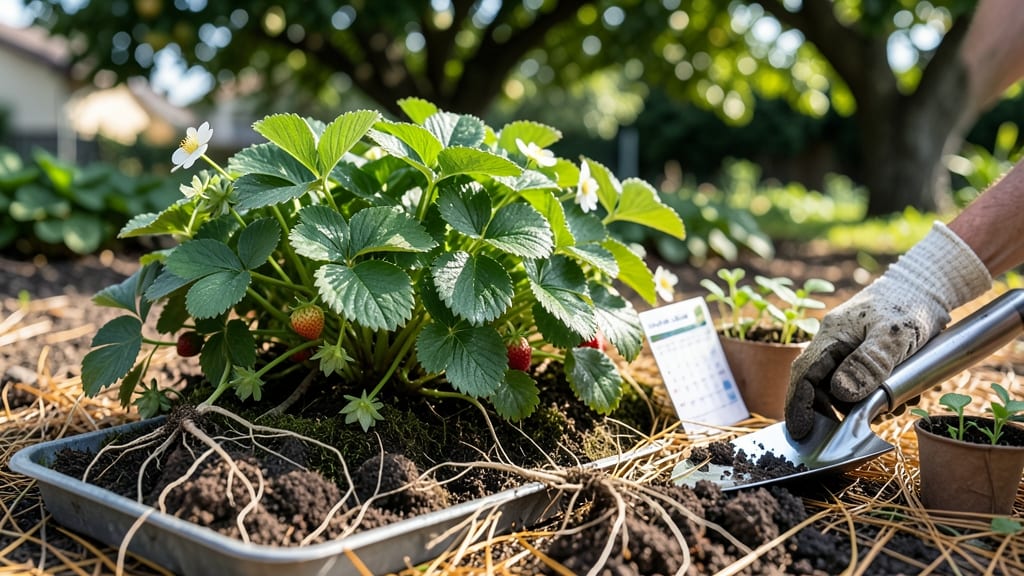
Planting strawberries in Ohio at the right time means the difference between a bountiful June harvest and a sad, frost-nipped crop.
Ohio gardeners know timing is everything—plant strawberries too early, and frost will ruin your crop; too late, and you’ll miss peak harvest season. But with Ohio’s diverse USDA zones (5b through 6b), the perfect window varies by region—and even variety.
Spring is the classic choice, but fall planting can give you an early edge. The key is soil temperature (40–50°F) and frost dates, not just the calendar. Bare-root plants thrive in Ohio’s cool springs, while potted varieties offer more flexibility for late starters.
In this guide, I’ll break down the exact month-by-month windows for Ohio’s zones, plus soil prep tips and variety picks that actually perform here. No more guessing—just a plan that works for your backyard.
Ohio strawberry planting calendar by USDA Zone (5b vs 6b)
Ohio’s USDA zones 5b and 6b create distinct planting windows for strawberries. In Zone 5b, where last frosts linger until mid-April, your best bet is to plant bare-root strawberries in March or potted plants in late April.
Meanwhile, Zone 6b gardeners can start as early as late March for bare-root varieties or wait until May for potted plants, thanks to later frost dates. The key? Avoid planting when soil temps dip below 40°F—your strawberries will sulk in the cold.
Timing isn’t just about frost—it’s also about harvest windows. Planting in early spring (March–April) gives you a June–July harvest, while fall planting (September–October) yields berries the following year. But fall plantings in Ohio’s northern zones (like 5b) risk winterkill if soil doesn’t freeze solid. Balance is everything!
| Zone & Plant Type | Best Planting Window | Soil Temp Requirement | Frost Risk | Harvest Window |
|---|---|---|---|---|
| Zone 5b - Bare-Root | March 1–April 15 | 40–50°F | High (late frosts) | June–July |
| Zone 5b - Potted | April 15–May 1 | 50–60°F | Moderate | June–July |
| Zone 6b - Bare-Root | March 15–April 30 | 45–55°F | Low (earlier frosts) | May–June |
| Zone 6b - Potted | April 15–June 1 | 55–65°F | Minimal | June–August |
Bare-root strawberries are cheaper and hardier but require immediate planting—they won’t wait for perfect conditions. Potted plants, however, offer flexibility and are ideal for Zone 6b gardeners who can delay until soil warms.
My rule? If your hands can’t push 2 inches into the soil without resistance, wait. Cold soil = stressed plants = poor yields.
Ohio’s humidity and variable weather demand extra prep. Amend your soil with compost and sand to improve drainage—strawberries hate soggy roots. For Zone 5b, mulch heavily with straw or leaves to insulate roots from late frosts.
In Zone 6b, focus on shade cloth for summer heat protection. Both zones benefit from raised beds, which warm up faster in spring.
Pro tip: Use USDA Plant Hardiness Zone Map to pinpoint your exact last frost date. In Zone 5b, aim for 4–6 weeks before April 15; in Zone 6b, stretch that to 4–6 weeks before April 1.
Miss the window? Don’t panic—June plantings can still produce a fall harvest, though yields will be smaller. Patience pays off!
For Ohio-specific varieties, prioritize ‘Jewel’ (everbearing) for Zone 5b’s shorter season or ‘Honeoye’ (June-bearing) for Zone 6b’s longer growing window. Everbearers like ‘Seascape’ thrive in containers, perfect for balconies or patios. Avoid day-neutral varieties unless you’re in a Zone 6b microclimate—they need more heat than Ohio typically delivers.
Adjust for early vs. late frosts by monitoring local weather forecasts. If a hard freeze (below 20°F) is predicted, cover plants with burlap or row covers.
In Zone 5b, this is critical in March–April; in Zone 6b, watch for May surprises. A little extra protection now means bigger berries later.
Remember: Strawberries are perennial, but their first-year yields are minimal. Focus on establishing strong roots in your planting window—next year’s harvest depends on it. And if you’re new to strawberries, start small:
5 Critical factors that determine Ohio strawberry planting success
Ohio’s variable climate means strawberry planting success hinges on five key factors. First, soil temperature must reach 40–50°F—any cooler, and roots struggle to establish. Second, frost risk varies by USDA zone (5b vs. 6b), so timing your plantings around last frost dates is non-negotiable.
Third, Ohio’s high humidity can cause transplant shock if you don’t harden off plants properly. Fourth, container vs. in-ground planting affects moisture retention and root growth. Finally, variety selection matters—some strawberries thrive in Ohio’s heat while others wilt.
- 🌡️ Soil Temp: Wait until soil hits 40–50°F (use a soil thermometer). Planting too early risks root rot.
- ❄️ Frost Risk: Check USDA frost maps—zone 5b plants need 4–6 weeks before last frost (usually March–April).
- 💧 Humidity Prep: Acclimate container plants to Ohio’s humidity 1 week before transplanting to avoid shock.
- 🪴 Container vs. Ground: Containers dry faster—water daily in summer. In-ground beds need mulch to retain moisture.
- 🌿 Variety Choice: Pick June-bearing (e.g., Honeoye) for cooler zones or day-neutral (e.g., Seascape) for prolonged harvests.
Let’s start with soil temperature. Strawberries are cold-sensitive but won’t thrive in frozen ground. Use a soil thermometer to confirm temps—plant when the ground warms to 40°F at 4 inches deep.
In zone 5b, this typically aligns with mid-March to early April, while zone 6b gardeners can wait until late March to May.
Ohio’s humidity is a double-edged sword. While it keeps soil moist, it also slows drying and promotes fungal diseases like gray mold. To mitigate this, choose well-draining soil and avoid overhead watering.
If you’re planting container-grown strawberries, ensure pots have drainage holes and use a lightweight potting mix to prevent waterlogging.
For transplant shock prevention, harden off container plants gradually. Move them outdoors for 2–3 hours daily over 5–7 days before full planting. This mimics Ohio’s temperature swings and reduces stress.
If you’re planting bare-root strawberries, soak roots in water for 1–2 hours before setting them in the ground to revive dormant roots.
Finally, mulching is your best friend in Ohio’s climate. Apply 2–3 inches of straw mulch around plants to retain moisture, suppress weeds, and regulate soil temperature.
In containers, mulch the top layer of soil (not directly on crowns) to prevent rot. This simple step can double your yield by keeping roots consistently moist.