
Plants
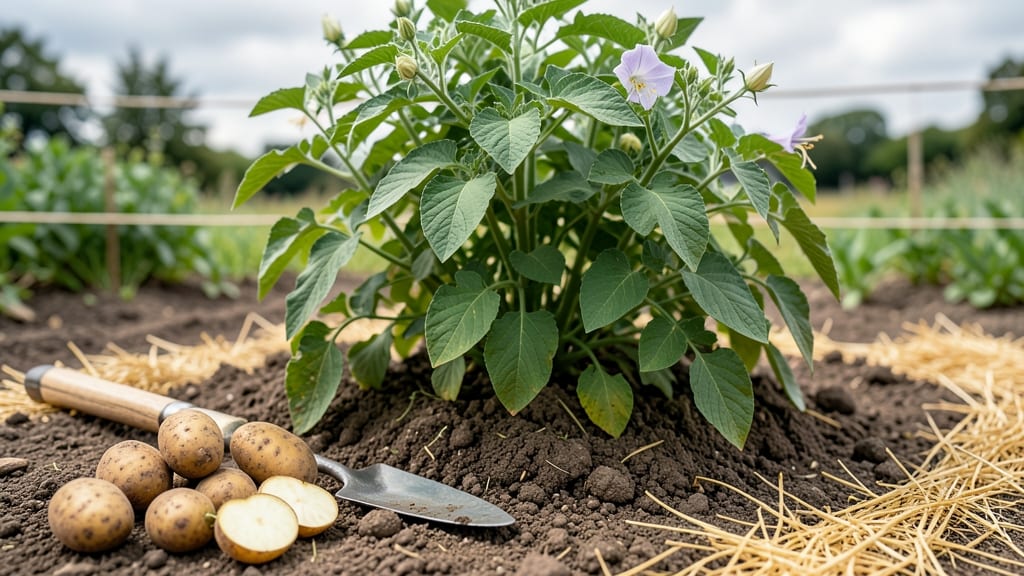
Planting potatoes in Ohio at the right time—3 to 4 weeks before the last frost—sets the stage for a harvest that outshines anything you’ve tried before.
Ohio gardeners know timing is everything when planting potatoes—and getting it wrong can mean the difference between a bumper crop and a total flop. If you’ve ever wondered why your spuds underperformed, the answer likely lies in planting them at the wrong time.
In USDA Zone 6a, where Ohio sits, the ideal window is late February to early April, when soil temperatures hit 45°F. Plant too early, and cold soil stunts growth; too late, and your potatoes may struggle to mature before summer’s end.
Below, I’ll walk you through Ohio’s exact frost-free zones, how to prep your soil for peak growth, and the best varieties for your short season—plus tips to salvage a crop if spring throws a curveball.
Ohio’s exact planting windows: weeks before last frost for peak potato growth
Ohio’s potato planting window hinges on soil temperature and last frost dates, which vary by region.
For most of the state, aim to plant 3-4 weeks before your average last frost—typically mid-March to early April in southern Ohio and late March to mid-April in northern zones like Cleveland or Toledo.
Soil must reach at least 45°F (7°C) for potatoes to sprout consistently. Cold soil delays germination, leading to stunted tubers. Use a soil thermometer to confirm readiness—especially in northern Ohio, where frosts linger longer.
In southern Ohio (USDA Zone 6b), like Cincinnati or Columbus, you can start as early as late February if soil warms quickly. Meanwhile, north-central Ohio (Zone 5b) should wait until early April to avoid frost damage.
Microclimates matter too! Gardens near lakes or rivers may thaw 1-2 weeks earlier than inland areas. Observe your yard’s frost patterns over past years to fine-tune your schedule.
Here’s the exact planting window breakdown for Ohio’s key regions, including soil temperature thresholds and frost-free dates:
Planting too early? Cold soil can cause rotten seed potatoes or slow growth. Too late? You’ll miss Ohio’s 90-day growing season for most varieties. For example, Yukon Gold needs 90–110 days to mature—planting after May 1 risks small harvests.
Pro tip: Chit your seed potatoes (sprout them indoors) 4–6 weeks before planting. This gives them a 2-week head start and compensates for late frosts. Place them in a bright, cool spot (55–65°F) until sprouts are 1/2-inch long.
For container growing, plant 2–4 weeks earlier than in-ground beds. Containers warm faster and let you extend the season. Just ensure pots have drainage holes and use lightweight potting mix to avoid root stress.
Always check the Ohio State University Extension’s frost maps for your county. Their localized data accounts for elevation and urban heat islands—critical for microclimate adjustments in cities like Columbus or Cleveland.
How to adjust planting time for Ohio’s unpredictable spring weather
Ohio’s spring weather can be as unpredictable as a toddler’s mood—one day it’s warm enough to plant, the next, a surprise frost hits.
If you’ve ever watched your potato sprouts turn crispy from a late frost or struggled with soggy soil after heavy rains, you know how quickly things can go wrong. The key to success? Flexibility and preparation.
When you miss the ideal planting window, don’t panic—there are proven strategies to salvage your crop and still end up with a harvest.
First, understand that potatoes thrive when planted 2-4 weeks before Ohio’s last frost date, typically around mid-April. But if Mother Nature throws a curveball—like a late frost in early May—you’ll need to act fast. The good news?
Potatoes are resilient, and with the right adjustments, you can still grow a decent crop even if timing isn’t perfect. Let’s dive into the tools and tricks that’ll help you adapt when the weather doesn’t cooperate.
⚠️ callout-warning
One of the easiest ways to adjust for cold snaps is using frost blankets or row covers. These lightweight fabrics trap heat and protect tender sprouts from temperatures as low as 28°F. Simply drape them over your potato hills after planting, securing the edges with rocks or soil.
Remove them during the day to allow sunlight and airflow—just remember to put them back on if frost is forecasted. This hack can buy you 2-3 extra weeks of growing time without stressing your plants.
If your soil is still too cold (below 45°F) when you’re ready to plant, try soil warming tricks. Spread black plastic mulch over the planting area 1-2 weeks before you plan to sow.
The plastic absorbs sunlight and raises soil temperature by 5-10°F, creating a cozy environment for your seed potatoes. For an even faster fix, use straw or grass clippings as mulch—they decompose and generate heat as they break down.
Delayed planting can also lead to waterlogged soil, which stunts tuber development. To prevent this, plant potatoes in raised beds or mounds to improve drainage. If your garden is already soggy, mix in compost or coconut coir to lighten the soil and encourage root growth.
Avoid compacting the soil around the tubers, as this can cause scab disease or rot. Instead, keep the area loose and well-aerated for healthy development.
Finally, if your potatoes show signs of stress—like yellowing leaves, stunted growth, or blackened stems—don’t give up. These could be signs of cold damage or disease, but pruning back affected foliage and focusing on root health can still yield a harvest.
For late-planted potatoes, prioritize early-maturing varieties like ‘Yukon Gold’ or ‘Red Norland’, which can produce edible tubers in as few as 70-80 days. With these adjustments, you’ll turn Ohio’s unpredictable spring into a potato-growing success.