
How To
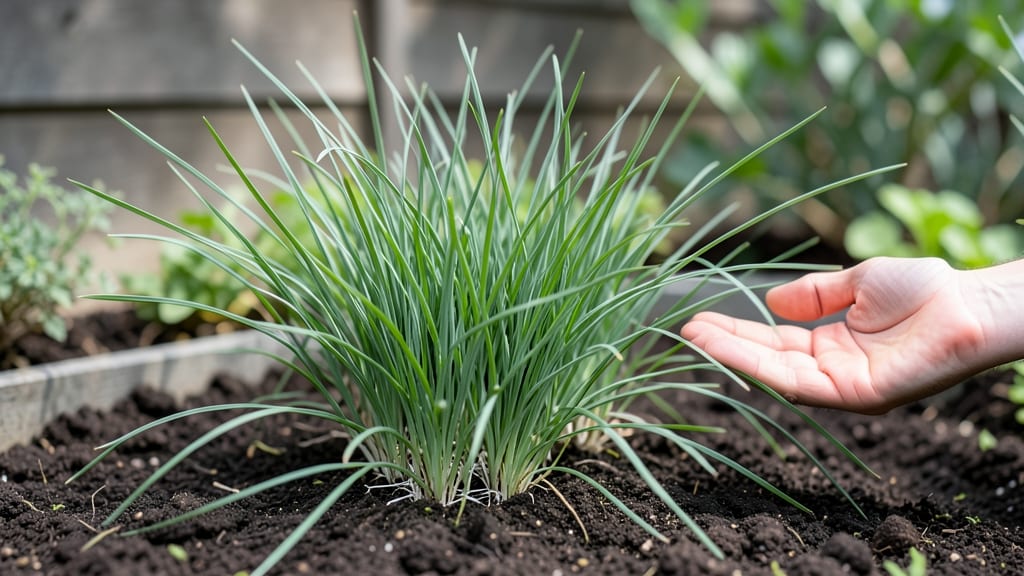
How tall does ryegrass grow? It typically reaches heights between 6 inches and 4 feet, depending on the variety and growing conditions you choose for your lawn or landscape.
Wondering if ryegrass will tower over your lawn or stay neatly trimmed? The height of this fast-growing grass varies dramatically by variety—and choosing the right type can mean the difference between a lush carpet and an unruly jungle.
Annual ryegrass typically stays between 12 and 24 inches tall, making it ideal for temporary cover or overseeding, while perennial types like Italian ryegrass can reach up to 4 feet if left unchecked. Your climate and soil also play a big role in how tall it grows.
Below, I’ll break down the height ranges for common varieties, how fast they grow, and the simple tricks to keep them at your preferred height—whether you want a short, dense lawn or a taller buffer for erosion control.


Ryegrass height by variety: tall vs short growing types explained
If you're planning a lawn or erosion-control project, ryegrass height can make or break your success. This versatile grass comes in dramatic height variations—from dwarf perennial types that stay under a foot to tall Italian ryegrass that can reach nearly four feet.
The right choice depends on your goals, whether you want a manicured lawn or a temporary ground cover. Let's break down the key varieties and their growth characteristics so you can pick the perfect fit for your space.
First, it's crucial to understand that ryegrass falls into two main categories: annual and perennial. Annual ryegrass lives for one season and grows aggressively, while perennial ryegrass returns year after year with a more controlled growth habit. Within these categories, height differences can be extreme.
For example, Italian ryegrass—often used for winter overseeding—can shoot up to 36-48 inches tall, while dwarf perennial types stay neatly trimmed at 6-12 inches. Your climate and intended use will determine which type works best for you.
🌱 Ryegrass Height Comparison
| Variety | Height Range | Growth Habit | Best For |
|---|---|---|---|
| Italian Ryegrass | 36-48 inches | Fast, upright annual | Winter overseeding, erosion control |
| Annual Ryegrass | 12-24 inches | Medium, dense annual | Temporary lawns, quick cover |
| Perennial Ryegrass | 12-24 inches | Medium, clumping perennial | Lawns, sports fields |
| Dwarf Perennial Ryegrass | 6-12 inches | Short, dense perennial | Ornamental lawns, low-maintenance areas |
Let's start with the tallest ryegrass variety: Italian ryegrass. This type is famous for its rapid growth and impressive height, often reaching 3-4 feet tall in ideal conditions. It's perfect for winter overseeding because it establishes quickly and provides excellent winter color.
However, its height makes it less ideal for traditional lawns unless you're okay with frequent mowing. Italian ryegrass thrives in cool seasons and is commonly used in sports fields and temporary erosion control projects where speed is more important than neat appearance.
For a more manageable height, annual ryegrass is a great middle-ground option. Typically growing 12-24 inches tall, it's dense and fast-spreading, making it ideal for temporary lawns or areas where you need quick ground cover.
Unlike Italian ryegrass, annual ryegrass doesn't return after one season, so it's best for short-term solutions. Its medium height makes it easier to maintain than Italian types, but it still requires regular mowing to keep it in check.
Many gardeners use it as a transition cover while establishing permanent grass or during renovation projects.
If you're looking for a low-maintenance lawn option, dwarf perennial ryegrass is your best bet. This variety stays neatly trimmed at 6-12 inches tall, making it perfect for ornamental lawns or areas where you want a polished look without constant upkeep.
Unlike its taller cousins, dwarf perennial ryegrass forms dense clumps rather than spreading aggressively. It's also more drought-tolerant once established, which can save you time and water. This makes it a favorite for home lawns in warmer climates where other ryegrass types might struggle.
One factor that often surprises new gardeners is how soil conditions affect ryegrass height. Poor drainage or compacted soil can cause ryegrass to grow unevenly or taller than expected, while well-aerated, fertile soil promotes a more uniform height.
For example, Italian ryegrass might reach its full 36-48 inch potential in rich, moist soil but stay shorter in drier conditions. If you're planting ryegrass for erosion control, you might intentionally let it grow taller to stabilize soil, while lawn varieties should be kept shorter for a neat appearance.
Always prepare your soil with compost or sand to improve drainage and encourage even growth.
Another key consideration is mowing height, which directly impacts how tall your ryegrass will appear. For most lawn varieties, maintaining a height of 1.5-3 inches keeps the grass healthy and dense.
However, if you're using ryegrass for erosion control, you might allow it to grow 6-12 inches tall to maximize its soil-binding benefits. Regular mowing not only controls height but also encourages lateral growth, which thickens the grass and improves its resilience.
Just be sure to never cut more than one-third of the grass blade at a time to avoid stressing the plant.
Climate plays a surprisingly large role in ryegrass height. In cooler northern regions, Italian ryegrass can reach its full height potential, while in warmer southern climates, it may stay shorter due to heat stress.
Perennial varieties tend to perform better in moderate climates with distinct seasons, while annual types excel in temporary covers where they can establish quickly before being replaced. If you're in a
How fast does ryegrass grow and when to mow for optimal height
Ryegrass is one of the fastest-growing grasses you can plant, often reaching maturity in just 4-6 weeks under ideal conditions. But its growth speed and final height depend heavily on the variety and season.
In spring, ryegrass can shoot up 1-2 inches per week if given proper sunlight and moisture, while fall growth tends to be slower but more consistent.
For lawns, most gardeners aim to keep ryegrass between 1.5-3 inches tall to maintain a dense, weed-resistant carpet. However, if you're using it for erosion control on slopes, letting it grow 6-12 inches tall provides better root stability.
The key is balancing growth rate with your specific needs—whether that's a manicured lawn or a protective ground cover.
- 1 Spring growth: 1-2 inches per week with 6+ hours of sun and 1 inch of water weekly
- 2 Fall growth: Slower but steady at 0.5-1 inch per week, ideal for overseeding dormant lawns
- 3 Lawn height: Mow at 1.5-3 inches to encourage dense root growth and weed suppression
- 4 Erosion control: Let grow 6-12 inches for deep root systems that stabilize soil
- 5 Mowing timing: Never remove more than 1/3 of blade height at once to avoid stress
Timing your mowing is just as important as the height you target. I always mow ryegrass when it reaches 3-4 inches tall in spring, cutting back to 1.5-2 inches for a neat lawn.
In fall, I hold off until the grass grows to 4-5 inches before the first frost to ensure it establishes strong roots for winter. Using a sharp mower blade prevents tearing the grass, which can invite disease.
One common mistake I see is letting ryegrass grow too tall before mowing, which can lead to thatch buildup and weed invasion. To avoid this, I set my mower to the highest setting when the grass first sprouts, then gradually lower it as the season progresses.
For erosion control areas, I skip mowing entirely until the grass reaches 6 inches, allowing the roots to anchor deeply before any disturbance.
If you're overseeding an existing lawn, aim to mow ryegrass to 1 inch tall before planting new seeds. This gives the seeds direct contact with the soil while still allowing sunlight to reach them.
Always water deeply after mowing to help the grass recover quickly—1 inch of water per week keeps it lush without encouraging rapid, weak growth that falls over.
Remember, ryegrass is a cool-season grass, so its growth slows dramatically in summer heat. During these months, reduce mowing frequency and water deeply but infrequently to encourage deep root development.
With the right balance of height management and seasonal care, you'll have a ryegrass lawn that stays vibrant without taking over your garden.