
How To
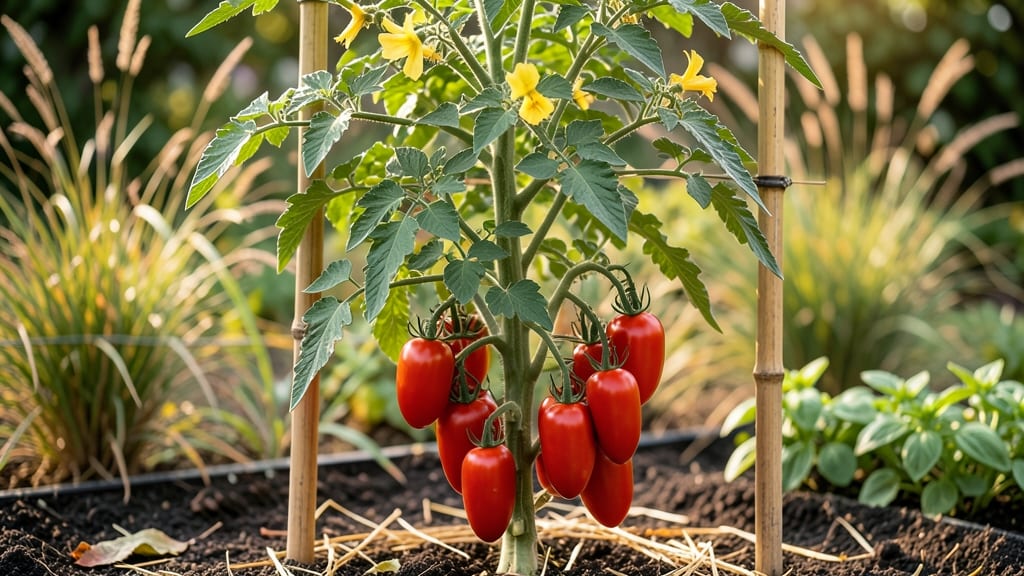
San Marzano tomato plants grow between 4 and 6 feet tall at maturity, making them a classic indeterminate variety that thrives when given proper support 🍅.
If you’ve ever watched a vine spiral out of control or seen fruit sagging toward the soil, you know how quickly these plants outgrow their space.
Without trellising or cages, they can sprawl 10 feet or more, but with the right setup, you’ll guide their energy upward for a cleaner harvest and easier maintenance.
Height matters because it directly impacts yield, airflow, and disease prevention. A well-supported plant produces more fruit, stays healthier, and lets you maximize your garden’s vertical real estate—especially in small spaces or urban containers.
Below, I’ll break down how to manage their growth, when to prune for optimal height, and the best staking methods to keep your San Marzano plants productive all season long.


San Marzano tomato plant height by variety: indeterminate vs determinate growth habits
San Marzano tomatoes are legendary for their sweet, meaty flesh and low acidity, but their growth habits can vary dramatically between varieties. The classic indeterminate types—like the traditional San Marzano—can reach 10 to 12+ feet tall, while newer determinate hybrids top out at just 3 to 5 feet.
This difference isn’t just about aesthetics; it directly impacts your garden layout, staking needs, and even your harvest potential.
If you’ve ever watched a San Marzano vine spiral upward like a jungle gym, you know why trellising is non-negotiable for indeterminate types. These vines keep growing until frost, producing fruit along the way, which means they need vertical support to prevent breakage and disease.
Determinate varieties, on the other hand, grow in a bushier form, maturing all at once and making them ideal for containers or small spaces where tall stakes aren’t practical.
Understanding these growth patterns helps you choose the right variety for your garden. For example, if you’re canning a large batch of tomatoes, indeterminate plants will give you a prolonged harvest over weeks or months, while determininate types offer a single, heavy yield all at once.
Let’s break down the key differences so you can plan your garden like a pro.
Indeterminate San Marzano plants are the giants of the tomato world, often requiring 12-foot trellises or sturdy cages to support their weight. These vines grow vertically year-round until frost, producing fruit along the main stem and side shoots.
This means you’ll enjoy a steady supply of tomatoes from midsummer until fall, but you’ll need to prune regularly to encourage airflow and prevent disease.
On the flip side, determinate varieties like 'San Marzano Dwarf' are perfect for small gardens or containers. They grow in a compact bush shape, reaching just 3 to 5 feet tall, and produce all their fruit at once.
While this means a heavy harvest over a shorter window, it’s ideal if you’re canning or freezing a large batch in one go. Plus, you won’t need to worry about trellising or pruning as heavily.
Choosing between the two depends on your garden space, harvest goals, and willingness to manage tall vines. For example, if you’re growing in a container, a determinate variety is your best bet.
But if you have a large backyard and love the idea of a continuous harvest, indeterminate plants will reward you with weeks of fresh tomatoes. Just be prepared for the extra work of staking and pruning!
Another factor to consider is your climate. In warmer regions with long growing seasons, indeterminate plants can keep producing until frost, while in shorter seasons, determinate varieties might be more reliable.
If you’re in a windy area, taller indeterminate plants will need extra support to avoid snapping under the weight of heavy fruit.
Pro tip: If you’re torn between the two, try growing both! Plant a few determinate varieties for an early harvest and a couple of indeterminate plants for a prolonged supply. This way, you get the best of both worlds—early tomatoes for fresh eating and late-season fruit for canning.
Just make sure to give them enough space; indeterminate vines need at least 18–24 inches of clearance from other plants.
Finally, don’t forget that pruning plays a huge role in managing height, especially for indeterminate types. By removing suckers (the small shoots that form in the leaf axils), you can redirect the plant’s energy into fruit production rather than excessive foliage.
This not only keeps your plants more manageable but also improves airflow, reducing the risk of blight and other diseases.
Whether you’re a seasoned gardener or a first-timer, understanding these height differences will help you plan your San Marzano garden like a pro. With the right variety and support, you’ll be well on your way to a bountiful harvest of these iconic Italian tomatoes. Happy growing! 🌱
How to stake San Marzano tomatoes for maximum height support
San Marzano tomatoes are indeterminate powerhouses that can reach 6–10 feet tall if left unstaked, but their heavy fruit loads make proper support essential. Without staking, vines flop, fruit rots on the ground, and yields suffer.
The key to maximizing height—without sacrificing stability—lies in choosing the right support system and training techniques tailored to your garden’s conditions.
Your staking method should align with your San Marzano’s mature height, soil type, and wind exposure. Heavy clay soils or windy locations demand stronger stakes or cages, while loose, well-draining soil can handle lighter trellises.
Below, I’ll break down the best staking options, when to install them, and how to train vines to grow vertically without breaking under the weight of pasta-perfect tomatoes.
- 🪴 Tomato Cages (4–6 ft): Best for determinate varieties or smaller gardens. Choose heavy-duty cages (18+ gauge wire) to prevent bending under 6–10 lb fruit clusters. Install at planting to avoid root disturbance.
- 📏 Individual Stakes (6–8 ft): Ideal for indeterminate San Marzanos in windy areas. Use bamboo or fiberglass stakes (2–3 inches wide) buried 18–24 inches deep. Tie vines every 10–12 inches with soft cloth or Velcro strips to avoid stem damage.
- 🌿 Floppy or Trellis Systems: Perfect for container gardens or limited space. Use A-frame trellises or overhead wires (6–8 ft high) to train vines upward. Prune suckers aggressively to direct energy to fruit production rather than foliage.
- 💧 Pruning for Height Control: Remove suckers (shoots in leaf axils) weekly to reduce weight on stems. Prune lower leaves up to 12 inches from the ground to improve airflow and prevent blossom-end rot. Stop pruning 4–6 weeks before first frost to harden off vines.
Install stakes at planting to avoid damaging roots later. For container-grown San Marzanos, use wide pots (18+ inches) with built-in trellises or overhead supports to prevent tipping. If transplanting mature plants, water thoroughly first to soften soil, then gently insert stakes at a 45° angle before securing vines.
Monitor your plants weekly for weak stems or overcrowded foliage, which can signal breakage risks. If vines sag between stakes, add temporary supports (like wooden dowels) or prune back the heaviest branches.
Remember, San Marzanos thrive on vertical growth, but balance is key—too much height without proper support leads to lost harvests and stressed plants.
With the right staking system, your San Marzano tomatoes will climb confidently, producing long, straight fruits perfect for sauces and canning. Start with cages or stakes this season, and soon you’ll be reaping bountiful, flavorful rewards—without the flop! 🌿