
How To
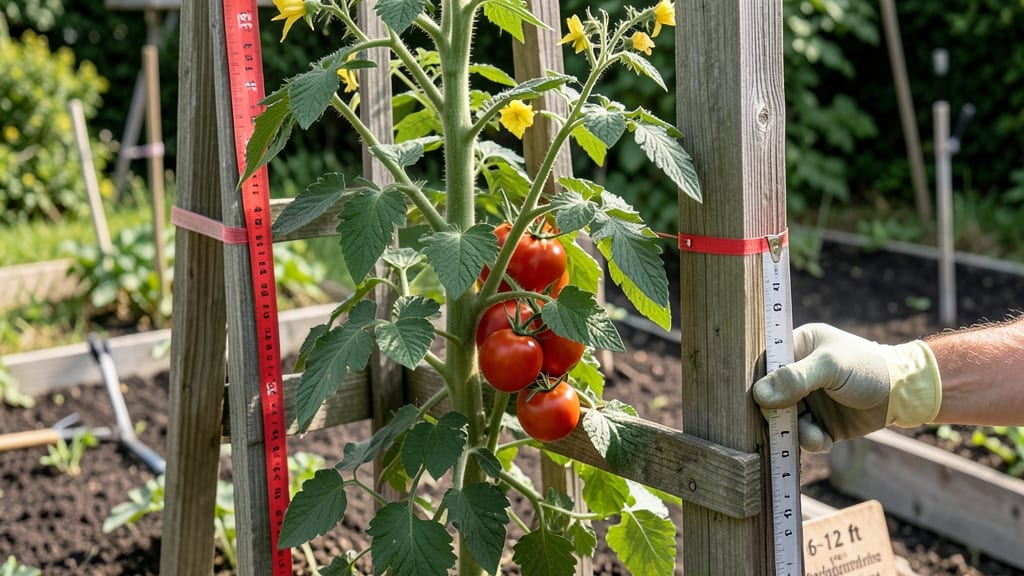
How tall should tomato plants grow? The answer depends on the variety, but getting that height just right is the difference between a thriving harvest and a tangled mess.
Picture this: You’ve spent weeks nurturing your 🍅 seedlings, only to watch them either sprawl uncontrollably or stay stubbornly stunted. The truth? Height isn’t just about space—it’s about maximizing fruit, preventing disease, and making your garden work for you, not against you.
Determinate tomatoes cap out around 3 to 4 feet, while indeterminate varieties can climb to 6 feet or more—but without the right support or pruning, even the tallest plants will struggle.
Below, I’ll break down the ideal heights for each type, how to control growth, and when to step in before your plants outgrow their purpose.
You’ll learn how to choose the perfect staking system, when to prune for better air circulation, and why some varieties need that extra height to produce their best fruit. Let’s get your tomatoes growing the way they’re meant to.


Tomato plant height by variety: determinate vs indeterminate growth habits explained
Understanding how tall your tomato plants should grow starts with recognizing their growth habits. Determinate varieties—like the classic Roma or Celebrity—stay compact, typically reaching 3-5 feet tall. These bush tomatoes produce fruit all at once, making them perfect for canning or sauces.
Indeterminate types, such as Beefsteak or Sungold cherry tomatoes, keep growing until frost, often climbing 6-10 feet or more with proper support.
Your garden space and staking needs depend entirely on these growth patterns. Determinate plants thrive in tight spaces, while indeterminate varieties demand vertical room or sturdy trellises. Knowing which type you’re growing helps you plan for support structures, pruning techniques, and even harvest timing.
Let’s break down the key differences so you can choose the right varieties for your setup.
Determinate tomatoes are the bushy workhorses of the garden. They stop growing once they hit their mature height, usually between 2-4 feet. Popular examples include Roma (3-4 feet) and Patio (2-3 feet). These varieties are ideal for containers, small gardens, or areas with limited vertical space. Their compact growth also makes them easier to stake with simple cages or low supports.
Indeterminate tomatoes, on the other hand, are the sky-scrapers of the tomato world. They grow continuously, often reaching 6-10 feet or taller if unchecked. Varieties like Brandywine or Cherokee Purple can climb like vines if given the right support. These types produce fruit throughout the season, giving you a longer harvest window but requiring more pruning and staking to manage their height.
| Variety Type | Common Examples | Mature Height | Growth Habit | Staking Needs |
|---|---|---|---|---|
| Determinate | Roma, Celebrity, Bush Early Girl | 2-4 feet | Bushy, compact | Low cages or stakes |
| Indeterminate | Beefsteak, Sungold, Brandywine | 6-10+ feet | Vining, continuous | Trellises or tall stakes |
| Semi-Determinate | Better Boy, Big Beef | 4-6 feet | Moderate vining | Medium-height supports |
If you’re growing Roma tomatoes, expect them to stay between 3-4 feet tall. These determinate varieties are perfect for sauces and paste because they ripen all at once. Meanwhile, Sungold cherry tomatoes can climb up to 10 feet if left unpruned, producing a continuous harvest of sweet, bite-sized fruits.
The key to managing their height lies in pruning and support—more on that in the next section!
Your garden layout should account for these height differences. For example, determinate varieties like Patio tomatoes thrive in 5-gallon containers on a patio, while indeterminate types need a 6-foot trellis or more.
Planting tall varieties near a fence or along a pergola saves space and makes harvesting easier. Always check the seed packet or plant tag for expected mature height to avoid surprises.
Another factor influencing height is pruning practices. Indeterminate plants benefit from regular pruning to control height and improve airflow, reducing disease risk. Determinate types rarely need pruning, as their bushy structure naturally supports the fruit.
Over-pruning determinate tomatoes can actually reduce yield, so it’s best to leave them alone unless you’re dealing with overcrowding or pests.
For container gardening, choose determinate or semi-determinate varieties like Tiny Tim (1-2 feet) or Balcony Red (2-3 feet). These stay small enough for 5-gallon pots or hanging baskets.
Indeterminate types in containers need dwarfing techniques, such as topping (pinching the main stem) or using dwarfing rootstock. Always ensure your container is at least 12 inches deep to accommodate roots.
One common mistake is assuming all tomato plants grow the same height. Cherry tomatoes, for instance, can be either determinate (like Sweet 100, 3-
Optimal staking and pruning strategies based on plant height
Understanding your tomato plants' height potential is the first step in choosing the right support system. Compact determinate varieties like Roma tomatoes typically max out at 3-4 feet, while sprawling indeterminate types such as Sungold cherries can reach 10+ feet without proper care.
The key is matching your support to the plant's growth habit to prevent disease, improve airflow, and maximize fruit production.
For determinate tomatoes, sturdy cages or stakes (4-5 feet tall) work perfectly—they provide just enough support without overwhelming the plant's natural structure. These varieties produce all their fruit at once, so keeping them contained makes harvesting easier.
Meanwhile, indeterminate vines need tall trellises or bamboo poles (6-10 feet) to guide their endless growth upward, where they can continue producing fruit all season.
How Tall Should Tomato Plants Grow?
- 1. Determinate Varieties: 3-4 feet (e.g., Roma, Bush Early Girl) – Use 4-ft cages or wooden stakes.
- 2. Semi-Determinate Varieties: 4-6 feet (e.g., Celebrity, Better Boy) – Opt for 5-ft trellises or tall cages.
- 3. Indeterminate Varieties: 6-10+ feet (e.g., Sungold, Brandywine) – Install 8-ft trellises or strong bamboo poles.
- 4. Dwarf Varieties: 1-2 feet (e.g., Tiny Tim, Patio) – Low cages or small stakes suffice.
- 5. Pruning Height: 6-8 feet max for indeterminates – Prune to main stem + 3-4 branches for airflow.
🌱 Pro Tip: Always prune suckers (side shoots) to direct energy to fruit production, not excess growth.
Pruning plays a crucial role in managing height while boosting yield. For indeterminate tomatoes, I remove suckers (the small shoots between the stem and branches) regularly to encourage stronger main stems and larger fruit.
Leave only the first 2-3 suckers near the base to support extra branches, but prune aggressively higher up to prevent overgrowth. This technique keeps plants at a manageable 6-8 feet while increasing airflow and reducing disease risk.
When it comes to staking methods, I’ve found that wooden stakes work best for single-stemmed varieties, while cages are ideal for bush types. For indeterminates, a trellis system with soft ties (like old t-shirts or horticultural tape) prevents stem damage as the plant grows.
Avoid wire or tight bindings, which can restrict growth or cause wounds that invite pests. Always secure stakes before heavy winds or rain to prevent toppling.
Don’t forget about seasonal adjustments! In early spring, I use shorter supports (3-4 feet) for young plants to encourage root development before they take off vertically. As summer progresses, I extend stakes or add ties to accommodate rapid growth.
For container-grown tomatoes, choose compact varieties or use tall pots with built-in trellises to save space while still providing adequate support.
Finally, monitor your plants for height-related stress. If leaves start yellowing or fruit develops blossom end rot, it could signal overcrowding or poor support. Adjust pruning or staking immediately to restore balance.
With the right approach, your tomatoes will grow to their ideal height—whether that’s a compact 3 feet or a skyward-reaching 10 feet—while producing an abundant harvest all season long. 🌿