
Plants
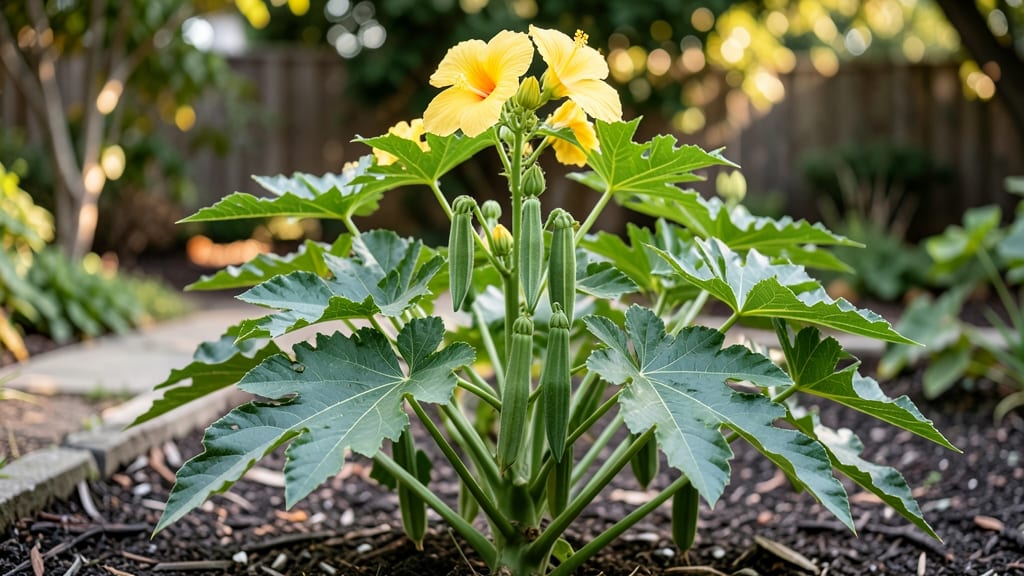
Okra plants grow to tall heights—some varieties stretching up to 10 feet or more—so knowing their mature size is key to planning your garden layout and support structures.
If you're planning to grow okra in your garden, knowing how tall these fast-growing plants can reach is crucial for spacing, support, and maximizing yield—because what starts as a small seed can quickly become a towering green machine! 🌱
But not all okra is created equal: dwarf varieties stay compact at 2-4 feet, while standard types like 'Clemson Spineless' can soar to 6-10 feet. Your choice of variety, pruning habits, and even soil nutrients play a big role in how much vertical space these plants will demand.
In this guide, I’ll break down the height ranges by variety, share tips for controlling growth in small spaces, and walk you through when and how to install support—so you can grow okra that’s both productive and manageable.


Okra plant height by variety: from compact dwarfs to towering giants
Okra is one of those fast-growing vegetables that can surprise you with its height—some varieties reach taller than a basketball hoop! Whether you're working with a small urban garden or a sprawling backyard, knowing your okra's mature size helps with spacing, trellising, and yield planning.
The good news? There's a perfect okra type for every space, from bushy dwarfs to sky-scraping giants.
Most gardeners assume all okra plants grow equally tall, but the truth is varieties differ dramatically—some stay under 4 feet, while others shoot up to 10 feet. This height variation directly impacts how you'll arrange your garden layout and whether you'll need support structures.
Let's break down the most popular okra varieties by their mature heights and growth habits so you can choose the perfect fit for your garden.
The Clemson Spineless variety is the most popular among home gardeners because it's high-yielding and adaptable. Its 6-10 foot height makes it ideal for trellising or growing along fences, freeing up valuable ground space for other crops.
If you're short on space, the Arkansas Little Light dwarf variety stays under 4 feet—perfect for containers or small gardens.
For gardeners who love ornamental plants with edible benefits, Red Burgundy okra grows 5-8 feet tall and produces deep red pods that add color to your garden. Its upright growth habit makes it a great border plant or trellis candidate.
Meanwhile, the Emerald variety offers a medium-height option (4-6 ft) that works well in mixed garden beds without overwhelming nearby plants.
If you're growing okra in containers or urban gardens, focus on the compact varieties
Factors that influence okra plant height and how to optimize growth
Okra plants can reach dramatically different heights based on care and conditions, with some varieties growing 3x taller than others. Understanding these factors helps you control growth—whether you want compact plants for small gardens or tall stalks for maximum pod production.
The right balance of sunlight, soil, water, and pruning can turn a scraggly plant into a thriving, productive tower.
First, sunlight exposure is non-negotiable for okra. These plants thrive in full sun (6-8 hours daily), and insufficient light will stunt growth, leaving you with short, weak stalks that struggle to support pods.
Even partial shade can reduce height by up to 30%, so choose a sunny spot or supplement with grow lights if gardening indoors.
- 🌞 Sunlight: 6-8 hours daily = 6-10 ft growth; less than 4 hours = 2-4 ft max.
- 💧 Watering: Deep soaks 2-3x/week = taller, stronger stalks; drought stress = stunted growth.
- 🌱 Soil Nutrients: Balanced fertilizer (10-10-10) = 6-10 ft; poor soil = 4-6 ft.
- ✂️ Pruning: Regular trimming = controlled height (4-6 ft); no pruning = wild, 10+ ft growth.
- 🌡️ Temperature: 75-90°F = optimal growth; below 60°F = slowed height gain.
Next, soil quality and nutrients play a surprising role in okra height. Plants grown in nutrient-rich, well-draining soil with a pH of 6.0-6.8 will shoot up faster and produce thicker stalks.
Amend your soil with compost or aged manure before planting, and use a balanced fertilizer (10-10-10) every 4-6 weeks during the growing season. Skimping on nutrients? Expect shorter, weaker plants that struggle to reach their full potential.
Watering habits also impact height—consistent moisture encourages tall, robust growth, while drought stress can stunt plants to half their expected size. Okra needs 1-1.5 inches of water per week, delivered via deep soaks rather than light sprinkles.
Water in the morning to prevent fungal issues, and mulch around the base to retain moisture. Overwatering, however, can lead to weak stems that flop or snap under pod weight.
Pruning is your secret weapon for controlling okra height. If you’re short on space, pinch back the main stem when plants reach 3-4 feet to encourage bushier growth. For taller varieties, prune side shoots to direct energy upward. Just avoid heavy pruning late in the season—this can reduce pod production.
And if you’re growing okra for maximum height, resist the urge to trim; let those stalks reach their full 8-10 feet for a dramatic garden statement!
Finally, temperature and spacing matter. Okra thrives in warm climates (75-90°F), and cooler temperatures slow growth. Plant seeds after the last frost when soil is at least 60°F, and space plants 18-24 inches apart for dwarf varieties or 3 feet apart for tall types.
Crowding forces plants to compete for resources, resulting in shorter, leggy growth and fewer pods. Give them room to stretch!
By tweaking these factors, you can grow okra that’s perfectly sized for your space—whether you want a compact bush for containers or a towering giant for a backyard jungle. Experiment with sunlight, soil, and pruning to find the sweet spot for your garden! 🌿