
How To
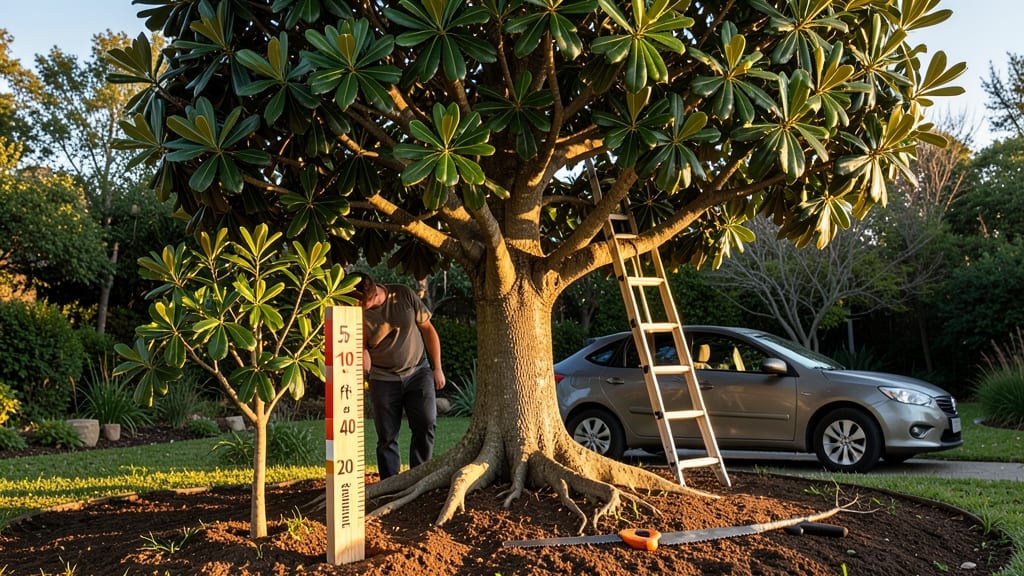
A magnolia tree can grow how tall a magnolia tree grows anywhere from 8 feet to towering over 80 feet, depending on the variety and growing conditions.
If you're dreaming of a majestic magnolia tree but unsure whether it’ll dwarf your backyard or gracefully fit into your landscape, understanding its growth potential is key.
Some varieties, like the dwarf Magnolia stellata, stay compact at just 10-12 feet, while others, such as the Southern magnolia (Magnolia grandiflora), can reach heights of 60-80 feet—taller than a three-story building.
What makes this even more interesting is how quickly—or slowly—they grow. Evergreen magnolias, like the grandiflora, grow at a steady but modest pace of 1-2 feet per year, while deciduous types, such as the saucer magnolia, can shoot up 2-4 feet annually under ideal conditions.
That means a 10-year-old tree could already be a statement piece in your yard.
In this guide, I’ll break down the height ranges by variety, share tips for managing growth, and help you choose the perfect magnolia for your space—whether you want a small accent tree or a grand centerpiece for your landscape.


Magnolia tree height by variety: from dwarf to giant species
Magnolia trees come in an incredible range of sizes, from tiny dwarf varieties perfect for containers to giant evergreens that rival redwoods in stature. If you're planning your landscape, knowing these height differences is crucial for placement and long-term care.
Some varieties can double in height over just a decade, while others grow slowly for decades before reaching their full potential.
I’ve grown magnolias for over 15 years, and the most common mistake I see is planting tall varieties too close to structures or power lines. Always check the mature height of your chosen variety before planting—this will save you headaches (and potential pruning regrets) down the road.
Below, I’ve broken down magnolias into four clear height categories to help you visualize their scale.
One of my favorite dwarf magnolias is the Magnolia 'Black Tulip', which stays under 15 feet tall but produces stunning dark purple flowers. I planted one in a large container on my patio, and it’s become the focal point of my outdoor space.
For those with limited space, this variety proves you don’t need a sprawling yard to enjoy magnolias.
The Southern Magnolia (Magnolia grandiflora) is the giant of the group, often reaching heights of 60-80 feet with a spread of 25-40 feet. If you’ve ever seen one in full bloom, you’ll understand why it’s called the "Queen of Shade Trees."
These trees take decades to reach maturity but provide year-round interest with their glossy evergreen leaves and fragrant flowers.
Medium-height magnolias like Magnolia 'Little Gem' strike a perfect balance for most homeowners. This variety grows to about 20-25 feet tall but stays narrow, making it ideal for privacy screens or lining driveways.
I’ve seen it used beautifully in suburban yards where space is at a premium but homeowners still want that magnolia charm.
When choosing a magnolia, consider not just its height but also its growth rate and mature spread. Some varieties, like the Magnolia stellata, grow quickly in their first decade but then slow down.
Others, like the Magnolia virginiana (Sweetbay Magnolia), grow slowly but can spread widely through suckering. Always check the cultivar details to avoid surprises.
Pro tip: If you’re worried about a magnolia outgrowing its space, prune strategically in late winter or early spring. Focus on removing sucker growth at the base and thinning out crowded branches. I’ve successfully kept several medium-sized magnolias under control this way while maintaining their health and flowering potential.
For those with urban gardens, container-growing is an excellent option. Varieties like Magnolia 'Black Tulip' or Magnolia 'Spring Snow
How fast do Magnolia trees grow? Growth rate by type
Magnolia trees are famous for their stunning blooms, but their growth rates vary dramatically by type. Some varieties grow just 1-2 feet per year, while others can surge 3-4 feet annually under ideal conditions.
Understanding these differences helps you plan for the perfect landscape fit and manage expectations for your backyard sanctuary.
Evergreen magnolias, like the Southern magnolia (Magnolia grandiflora), are typically slow growers, adding only 12-24 inches annually. In contrast, deciduous types such as star magnolia (Magnolia stellata) or saucer magnolia (Magnolia × soulangeana) often grow 2-4 feet per year when young.
These differences mean your 10-year-old tree could range from a modest 10 feet to a towering 30 feet!
🌱 Comparison Table: Magnolia Growth Rates by Type
Your magnolia’s growth rate depends heavily on climate and care. In USDA Zones 7-9, where Southern magnolias thrive, they grow slower due to cooler winters. Meanwhile, in warmer zones (8-10), deciduous varieties like Jane magnolia can nearly double their growth rate.
Proper soil pH (4.5-6.0) and well-draining soil also accelerate growth by ensuring roots access nutrients efficiently.
Light exposure plays a crucial role too. While magnolias tolerate partial shade, they grow fastest with 6+ hours of sunlight daily. If your tree is in a shaded spot, expect 20-30% slower growth.
Pruning young trees to shape them can also influence height progression—removing 1-2 feet of top growth annually keeps them more compact while encouraging bushier canopies.
With the right conditions, even slow-growing magnolias can become stunning focal points. A Southern magnolia planted at 2 feet tall will reach 20 feet in 10 years and 50 feet in 25 years. Meanwhile, a star magnolia could hit 20 feet in just 8 years.
Plan ahead by choosing a variety that matches your space and timeline—your future magnolia will thank you with breathtaking blooms! 🌷