
Trees
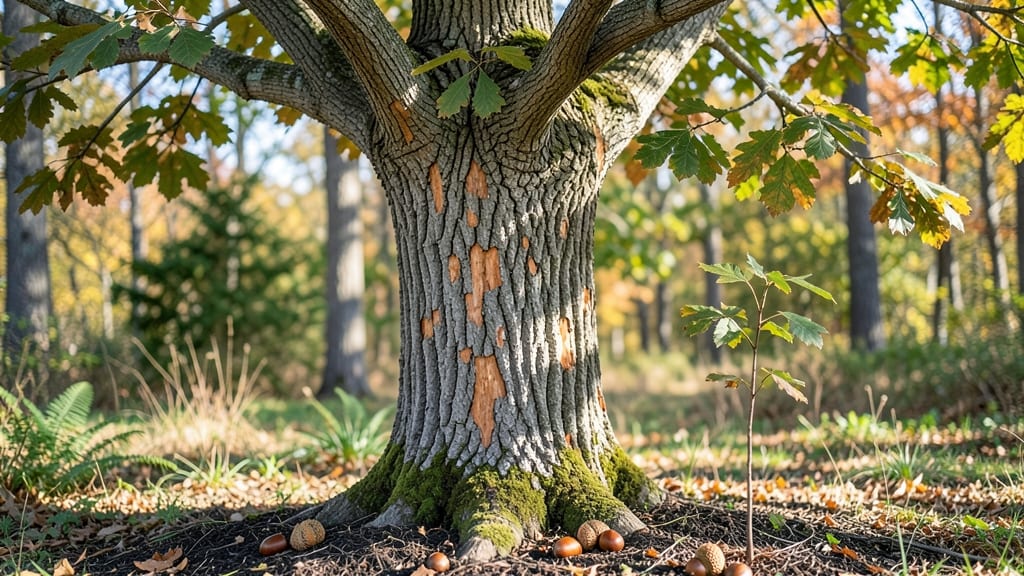
How tall do hickory trees grow? These backyard giants can reach heights between 40 and 100 feet, making them some of the most impressive shade trees you can plant 🌳 — but not all species hit those towering heights.
If you're dreaming of a towering shade tree or a sturdy backyard giant, hickory trees deliver—but their mature heights can vary wildly depending on the species and growing conditions.
For example, shagbark hickories often top out around 70 feet, while pecan hickories can soar past 100 feet under ideal conditions.
This dramatic difference isn't just about species—sunlight exposure, soil quality, and even spacing in your yard play a huge role in how tall your hickory will grow. A shady spot could leave your tree stunted, while full sun and rich soil can push it toward its maximum potential.
In this guide, we’ll break down the height ranges for common hickory varieties, share practical tips for controlling growth through pruning, and help you plan the perfect spot to let your hickory reach its full majestic height.


Hickory tree height by species: from dwarf varieties to towering giants
Hickory trees are nature's skyscrapers, capable of reaching stunning heights that rival the tallest urban landmarks. Whether you're planning a shade canopy or a nut-producing giant, knowing your hickory's potential height helps you choose the right species for your space.
Some varieties stay compact, while others grow into forest giants—here's how to tell them apart.
Most hickory species share a slow-to-moderate growth rate, gaining only 12–24 inches per year in their prime. However, their mature heights differ dramatically. For example, the shagbark hickory often tops 70 feet, while the mockernut hickory can exceed 100 feet in ideal conditions.
Let's break down the specifics so you can plan your landscape accordingly.
| Species | Mature Height Range | Growth Rate | Landscape Suitability |
|---|---|---|---|
| Shagbark Hickory | 60–75 ft | 12–24 in/year | Large yards, parks, woodlands |
| Pecan Hickory | 70–100 ft | 20–36 in/year | Rural properties, orchards |
| Mockernut Hickory | 80–100+ ft | 12–24 in/year | Wild areas, large estates |
| Pignut Hickory | 50–70 ft | 12–18 in/year | Medium yards, urban forests |
The pecan hickory stands out as the fastest grower, potentially adding 3 feet per year when conditions are perfect. This makes it ideal if you want a quick shade solution but still need decades to reach full height.
Meanwhile, the pignut hickory offers a more manageable option for smaller properties, though it still demands ample space.
For urban gardeners, none of these species qualify as "dwarf" varieties—all require significant space. However, if you plant a shagbark hickory 30 feet from your house, you'll still need to account for its spreading canopy that can reach 50 feet wide. Always measure your property before selecting a species.
Soil quality dramatically affects height potential. Hickories thrive in deep, well-drained soils with sandy loam texture. Compacted or waterlogged soil can stunt growth by 30–50%. If your yard has heavy clay, consider amending with compost or sand to encourage vertical growth.
Another height-influencing factor is pruning practices. Regular pruning in early spring can redirect energy upward, helping a tree reach its genetic height potential. Conversely, neglecting pruning often results in a wider, bushier tree with less vertical growth.
I recommend pruning once per year to maintain shape and encourage height.
Climate plays a surprising role too. Hickories in USDA Zones 4–9 generally grow taller than those in marginal zones. For example, a mockernut hickory in Zone 5 might reach 90 feet, while the same tree in Zone 8 could surpass 100 feet.
Always check your local climate data before planting.
If you're planting near power lines, consider the pignut hickory—its 50–70 foot maximum makes it safer for suburban areas. For agricultural use, pecan hickories dominate due to their nut production and faster growth, though they require more space than ornamental varieties.
Remember that hickories take 20–30 years to reach maturity. Planning for their eventual height means thinking long-term about your landscape design. Will this tree shade your future patio? Block views? Or create a wildlife habitat? These are questions worth answering before planting.
For the most accurate height predictions, consult your local cooperative extension service. They can provide species-specific data tailored to your region's soil, climate, and microclimate. With the right preparation, your hickory could become the centerpiece of your property for generations. 🌳
Sunlight requirements that determine your hickory's ultimate height
Hickory trees thrive when given the right amount of sunlight, but their mature height can skyrocket—or stall—depending on light exposure. Most hickory species, like shagbark and pecan, need full sun (6+ hours daily) to reach their towering potential of 70–100 feet.
Without enough light, their growth slows dramatically, leaving you with a stunted, weak tree that struggles to support its own weight. Understanding these needs helps you plan for a majestic specimen or a more manageable size.
Partial shade can work for younger hickories, but it’s a temporary solution. Even mockernut and pignut varieties, which max out around 50–60 feet, will grow more slowly in dappled shade.
If your yard has limited sun, consider pruning nearby trees or planting in a south-facing location to give your hickory the light it craves. The difference in height between a sun-loving hickory and one struggling in shade can be 30+ feet—a gap worth addressing early.
For pecan hickories, full sun isn’t just a preference—it’s a necessity. These trees need at least 8 hours of direct light to produce high-quality nuts and reach their 80–100 foot potential. Even a few hours less can reduce nut yield by 30–50%.
If you’re growing pecans in containers (rare but possible), place them in the sunniest spot and rotate pots monthly to ensure even light exposure. Without adequate sunlight, branches may become leggy and weak, increasing the risk of storm damage.
Young hickories are more flexible but still benefit from morning sun and afternoon shade during their first few years. This gradual acclimation helps them establish strong root systems before committing to full sun. Once established, though, partial shade will limit their height and weaken their structure.
If your yard has mature trees casting shade, consider planting hickories on the south or west side of existing foliage to maximize light exposure as they grow.
If your hickory’s growth seems unusually slow, don’t blame the species—check the sunlight first. A shagbark hickory in deep shade might only reach 30 feet instead of its 70-foot potential. Look for yellowing leaves, sparse foliage, or thin branches—all signs of light deprivation.
In these cases, prune nearby trees or transplant the hickory to a sunnier location. Remember, hickories are slow growers even under ideal conditions, so patience is key.
For urban gardeners, dwarf varieties (though rare for hickories) or strategic pruning can help manage height. However, no hickory thrives in deep shade. If your goal is a shade tree, prioritize full sun and plan for wide spacing (50+ feet from structures).
With the right light, your hickory will reward you with towering beauty and bountiful nuts for decades.