
How To
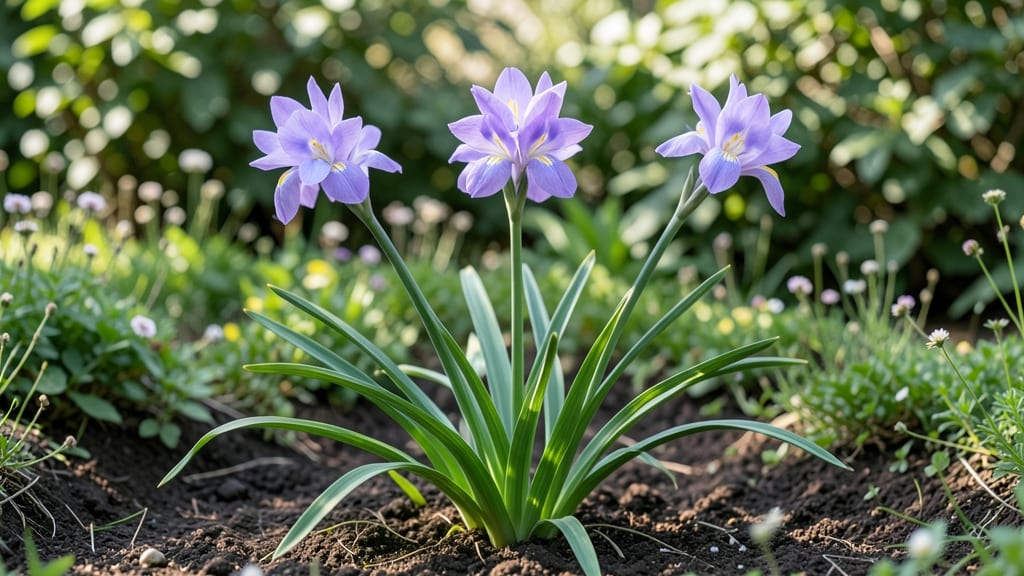
Freesias grow between 6 and 18 inches tall, depending on the variety and growing conditions, making them a versatile choice for gardeners and container growers alike.
If you’ve ever wondered why your freesias seem to stay stubbornly short or shoot up unexpectedly tall, the answer lies in their genetics and how you nurture them. Some varieties barely clear a foot, while others reach nearly two feet—like the difference between a petite houseplant and a small shrub.
Understanding these height ranges isn’t just about aesthetics; it helps you plan spacing, choose the right containers, and even decide whether to stake taller stems. Whether you’re planting bulbs in Zone 6a or coaxing blooms in pots, knowing what to expect sets you up for success.
Below, I’ll break down the factors that influence freesia height—from soil and sunlight to bulb size—and share tips to encourage the growth you want, whether that’s a compact border or a dramatic display.


Freesia height by variety: compact to towering growth ranges
When planning your garden, knowing how tall freesias grow is essential for creating stunning displays. Freesias typically range from 6 to 18 inches, but some varieties can stretch up to 24 inches under ideal conditions.
The height difference often correlates with bloom time and color intensity, making variety selection key for your design goals.
Early-blooming freesias, like the Freesia 'Blue Bird', tend to be shorter (8-12 inches), while late-season varieties such as Freesia 'Mystery' can reach 18-24 inches. Darker blooms, like deep purples and blues, often grow slightly taller than lighter shades, though this isn't a strict rule.
Let's explore the full range of freesia heights in my summary table below.
The Freesia 'Blue Bird' and 'Pink Pearl' are perfect for container gardens or small spaces, rarely exceeding 12 inches. These compact varieties also tend to bloom earlier, making them ideal for extending your spring color palette.
Their shorter stature means they're less prone to flopping in windy conditions, which is a bonus for gardeners in exposed areas.
On the taller end, Freesia 'Mystery' and 'White Lady' can reach 24 inches when given optimal care. These varieties thrive in well-draining soil with morning sunlight exposure and benefit from occasional staking to maintain upright growth.
Their later bloom time often coincides with warmer temperatures, which can encourage taller growth patterns.
Color intensity also plays a role in height. Darker blooms, like 'Red Damask' or 'Blue Moon', often grow slightly taller because they produce more robust stems to support their heavier flower heads.
Lighter varieties, such as 'Golden Ratio', tend to be more delicate and slightly shorter, but their vibrant hues make them stand out in mixed borders.
If you're growing freesias in containers, choose taller varieties like 'Mystery' for dramatic vertical interest, while shorter types like 'Pink Pearl' work beautifully in window boxes or as edging plants.
For cut flower arrangements, taller freesias provide more stem length, but their height means they'll need support to prevent bending.
One common misconception is that all freesias grow to the same height. In reality, the difference between a 6-inch and 24-inch freesia can be dramatic. This variation is why I always recommend selecting varieties based on your garden's layout.
For example, pairing 'Blue Bird' (8-12 inches) with 'Mystery' (18-24 inches) creates a beautiful height gradient that draws the eye through your garden space.
For gardeners in USDA Zone 6a or
Optimal spacing and planting depth for freesias by height
Proper spacing and planting depth are critical for freesias to thrive, especially since their mature height can range from 6 inches to over 18 inches. Tall varieties need more room to prevent overcrowding, while dwarf types can be planted closer together.
I’ve learned that even a few extra inches can make the difference between healthy blooms and leggy, flopping stems.
When planning your freesia garden, consider both bulb spacing and row spacing based on the variety’s mature height. For example, a 12-inch tall freesia needs different spacing than a 18-inch giant.
Containers also require adjustments—tall freesias need deeper pots to support their stems, while shorter varieties can thrive in shallower planters.
Numbered Highlights: Freesia Spacing by Height
- Dwarf varieties (6-12 inches): Plant bulbs 2 inches deep and 3 inches apart in rows spaced 6 inches apart. Ideal for containers or small garden beds.
- Standard varieties (12-18 inches): Space bulbs 3 inches apart in rows 8-10 inches apart. Use deeper containers (at least 8 inches deep) for potted growth.
- Tall varieties (18+ inches): Plant bulbs 3-4 inches deep and 4 inches apart in rows 12 inches apart. Staking may be needed to prevent flopping.
- Container spacing: For 3-4 bulbs per 6-inch pot, use dwarf varieties. For taller types, opt for 1 bulb per 8-inch pot to avoid competition.
- Soil depth tip: Never plant freesia bulbs deeper than 3x their diameter—this ensures strong root development and prevents rot.
For ground planting, I recommend loosening the soil to 8 inches deep before adding compost or well-rotted manure. This ensures bulbs have room to establish roots without competing with surrounding plants.
If you’re planting in containers, choose pots with drainage holes and fill the bottom third with perlite or gravel to improve aeration.
One common mistake I see is overcrowding tall freesias, which leads to weak stems and fewer blooms. If you’re growing mixed varieties, group shorter types together and taller ones separately. This not only improves airflow but also makes harvesting and staking easier.
For example, ‘Blue Peter’ (a tall variety) should never be planted near ‘Margaret’ (a dwarf), as the taller stems will shade out the smaller ones.
After planting, water thoroughly to settle the soil, but avoid soggy conditions, which can cause bulb rot. Mulch with 2 inches of straw or bark to retain moisture and regulate soil temperature. In containers, watering becomes even more critical—check the top inch of soil daily during the growing season.
Tall freesias may also benefit from a light stake inserted at planting time to support their weight as they mature.
Remember, freesias are spring bloomers, so spacing now will pay off when your garden bursts into color. Whether you’re creating a fragrant border or filling containers, following these guidelines ensures your freesias grow to their full potential without competing for space or nutrients.