
How To
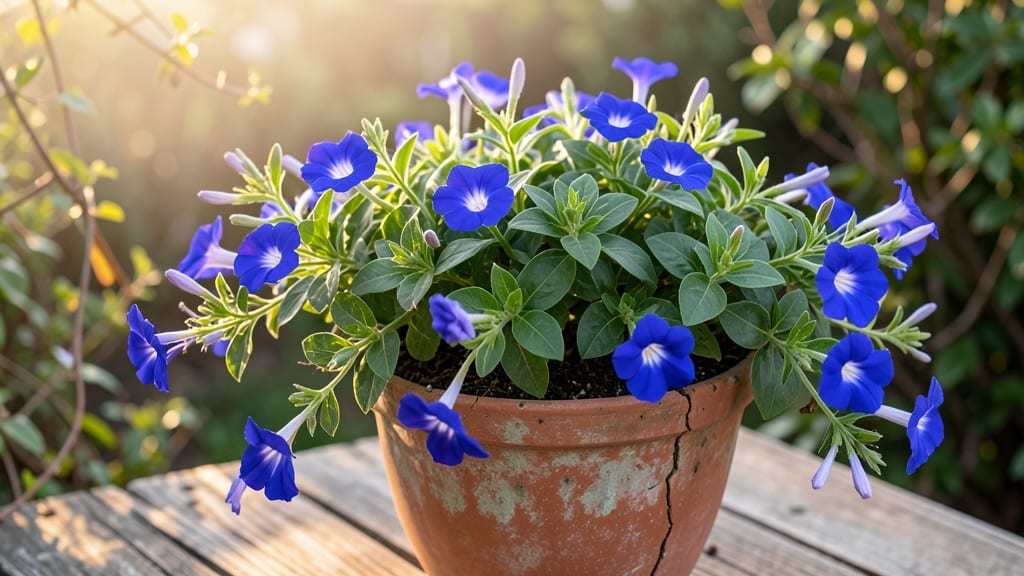
Plumbago grows between 1 and 10 feet tall, depending on the variety and how you train it—so if you’re planning your garden layout, knowing the exact height range is key to avoiding a tangled mess.
Picture this: You’ve just planted a vibrant Plumbago 🌸 for its striking blue blooms, only to realize it’s sprawling everywhere instead of staying neat.
The truth is, some varieties like 'Royal Cape' stay compact at 3-5 feet, while others, like 'Heavenly Blue,' can climb to 10 feet if given support. The difference comes down to pruning, sunlight, and the right spacing from day one.
Most gardeners underestimate how much Plumbago responds to pruning—cutting it back in early spring can keep it bushy and manageable, while neglecting it leads to wild, leggy growth.
Whether you’re growing it in containers or as a border plant, understanding its mature size helps you pair it with the right companions, like salvias or lantanas, for a cohesive look.
In this guide, I’ll break down the height ranges for the most popular varieties, share my go-to pruning tips to control growth, and reveal the one mistake that turns a tidy shrub into a jungle. Ready to keep your Plumbago thriving without the chaos?


Plumbago variety heights: from bushy dwarfs to climbing giants
If you're planning your garden layout, knowing how tall does plumbago grow is essential—especially since this versatile shrub comes in sizes ranging from compact dwarfs to vigorous climbers.
The right variety can transform your space into a colorful focal point or a lush vertical garden, depending on your needs. Let’s explore the height variations of popular Plumbago types and how to space them for maximum impact.
Plumbago plants are often categorized by their growth habits: bushy, trailing, or climbing. Some varieties stay under 3 feet tall, perfect for container gardens, while others can reach 10 feet or more, ideal for trellises or tall garden beds.
Understanding these differences helps you choose the perfect fit for your garden design—whether you want a low-maintenance border plant or a dramatic vertical accent.
Here’s a quick comparison of 8 common Plumbago varieties, their mature heights, and ideal spacing to keep your garden looking polished and intentional.
| Variety | Mature Height | Growth Habit | Ideal Spacing | Best For |
|---|---|---|---|---|
| Plumbago auriculata 'Royal Cape' | 3–5 ft | Bushy, upright | 2–3 ft apart | Borders, containers, hedges |
| Plumbago capensis 'Heavenly Blue' | 6–10 ft | Climbing | 4–6 ft from trellis | Arbors, pergolas, fences |
| Plumbago auriculata 'White Queen' | 2–3 ft | Compact, bushy | 1–2 ft apart | Containers, window boxes |
| Plumbago auriculata 'Blue Sky' | 4–6 ft | Semi-upright | 3 ft apart | Mixed borders, foundation plants |
| Plumbago auriculata 'Alba' | 3–5 ft | Bushy, trailing | 2–3 ft apart | Hanging baskets, trellises |
| Plumbago zeylanica | 1–2 ft | Prostrate, trailing | 1 ft apart | Ground cover, rock gardens |
| Plumbago auriculata 'Victoria' | 5–8 ft | Climbing | 5–6 ft from support | Vertical gardens, arbors |
| Plumbago auriculata 'Snowdrift' | 2–4 ft | Bushy, mounding | 2 ft apart | Containers, mass planting |
The Plumbago auriculata 'Royal Cape' is a bushy favorite for
How to control Plumbago height: pruning techniques for different growth types
Controlling your Plumbago height isn't just about aesthetics—it's about keeping your plant healthy and thriving in its intended space. Whether you have a bushy 'Royal Cape', a climbing 'Heavenly Blue', or a trailing variety, the right pruning techniques will help you shape its growth.
The key is understanding when and how to prune based on your specific variety, as each type responds differently to trimming.
Pruning Plumbago isn't complicated, but timing and technique matter. For bushy varieties, you'll focus on shaping and encouraging dense foliage, while climbers need support and selective pruning to control their vertical growth. Trailing types require a different approach entirely—think of them as delicate vines that need gentle guidance.
Let's break down the best methods for each growth type to keep your plant at its ideal height.
- 1 Identify Your Variety: Determine if your Plumbago is bushy, climbing, or trailing. Bushy types like 'Royal Cape' grow 3-5 feet tall and wide, while climbers like 'Heavenly Blue' can reach 6-10 feet without support.
- 2 Gather Tools: Use sharp pruning shears for clean cuts and sterilized tools to prevent disease. For climbers, have trellises or stakes ready to support new growth.
- 3 Prune Bushy Varieties: Trim back 1/3 of the plant in early spring to encourage bushier growth. Focus on removing dead or overcrowded branches and shape the plant by cutting just above a leaf node.
- 4 Train Climbers: Prune climbing Plumbago in late winter or early spring by cutting back overlong vines to half their length. Secure new growth to trellises or stakes to guide upward growth.
- 5 Manage Trailing Types: For trailing varieties, pinch back tips in early summer to encourage branching. Use soft ties to gently guide vines along containers or garden edges without damaging stems.
- 6 Deadhead Regularly: Remove spent flowers throughout the growing season to promote continuous blooming and prevent the plant from putting energy into seed production. This keeps your Plumbago compact and flowering abundantly.
- 7 Avoid Over-Pruning: Never trim more than 1/3 of the plant at once, especially in late summer or fall. Over-pruning can stress the plant and reduce next year's blooms.
Timing is everything when it comes to pruning Plumbago. For most varieties, early spring is the best time to prune, as it encourages fresh growth before the blooming season.
However, if you notice overgrown vines in late summer, a light trim can help maintain shape without shocking the plant. Always avoid heavy pruning in fall or winter, as this can leave your plant vulnerable to cold damage.
Encouraging taller growth in your Plumbago is easier than you think. Simply provide strong support structures like trellises or stakes for climbing varieties and avoid heavy pruning.
For bushier plants, focus on selective trimming of the tallest stems to redirect energy toward lateral growth. With the right approach, you can train your