
Trees
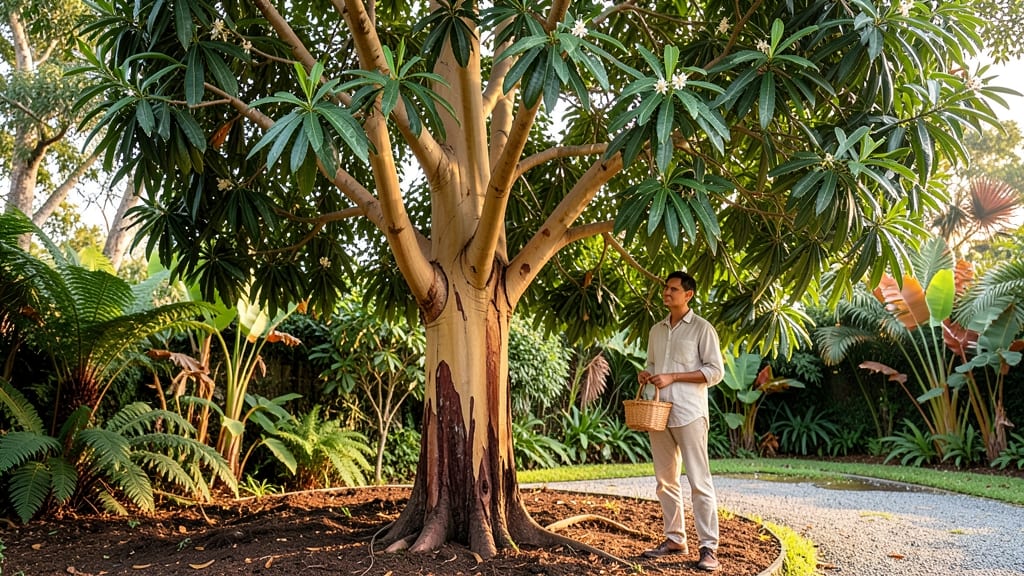
How tall do cinnamon trees grow? They can range from compact 8 feet to towering 40 feet, depending on the species and growing conditions.
If you’ve ever dreamed of growing your own cinnamon tree, you might be surprised to learn that its height can vary dramatically depending on the species—some stay compact enough for containers, while others tower like jungle giants. 🌳
True cinnamon (Cinnamomum verum), the spice tree, typically reaches 15-20 feet in ideal climates, while the more common cassia (Cinnamomum cassia) can soar up to 40 feet in the wild. Even dwarf varieties can still hit 12 feet if given enough space.
Below, I’ll break down how species, pruning, and your climate affect height—plus the 3 key tips to control growth whether you’re planting outdoors or keeping one as a houseplant.


Cinnamon tree height by species: from dwarf to towering varieties
When planning to grow a cinnamon tree, one of the first questions I ask is: how tall do cinnamon trees grow? The answer depends entirely on the species, with some varieties reaching towering jungle heights while others stay manageable for home gardens.
True cinnamon (Cinnamomum verum) and its relatives like cassia (Cinnamomum cassia) can vary by 30 feet or more between their smallest and largest forms. Understanding these differences helps you choose the right variety for your space and climate.
The true cinnamon tree (Cinnamomum verum), native to Sri Lanka, typically grows 15-40 feet tall in ideal conditions. Meanwhile, cassia trees often mature between 20-30 feet, making them slightly more manageable for larger properties.
Even within these species, there are dwarf varieties that stay under 12 feet—perfect for containers or small yards. Let’s explore the full range of heights you can expect from common cinnamon tree species.
🌱
The true cinnamon tree (Cinnamomum verum) is the gold standard for culinary use, but its 15–40 foot height makes it impractical for most home gardens unless you have ample space.
If you’re growing it for home spice production, consider starting with a dwarf variety like Cinnamomum burmannii 'Compactum,' which tops out at 8–12 feet. These smaller trees are perfect for container gardening on patios or balconies, provided you use large pots with drainage.
For gardeners in cooler climates, cassia trees (Cinnamomum cassia) are a fantastic alternative. They grow 20–30 feet tall but are far more frost-tolerant than true cinnamon, thriving in USDA Zones 9–11.
If you’re in Zone 8 or below, you’ll need to grow cassia in large containers and bring it indoors during winter. The trade-off? Cassia bark has a stronger, spicier flavor compared to true cinnamon.
On the other end of the spectrum, the camphor tree (Cinnamomum camphora) is one of the tallest cinnamon relatives, often reaching 40–60 feet in its native habitat. While it’s not used for culinary purposes, it’s prized for its aromatic leaves
How to control cinnamon tree height: pruning and growing tips
If your cinnamon tree is reaching for the sky faster than you’d like, don’t worry—you’re not powerless! With the right pruning techniques and growth strategies, you can manage its height while keeping it healthy and thriving.
Whether you’re dealing with a 15-foot giant or a compact dwarf variety, understanding when and how to prune makes all the difference.
Pruning isn’t just about cutting branches—it’s about shaping your tree’s future. The key is timing, tools, and technique. For example, late winter or early spring is the best time to prune, just before new growth begins.
This ensures your tree has plenty of energy to heal and regrow. And if you’re growing a cinnamon tree in containers, regular pruning is even more critical to prevent root-bound stress and stunted growth.
Most cinnamon trees grow 15-40 feet tall in ideal conditions, but with proper pruning, you can keep them at 8-12 feet—perfect for small yards or containers! Dwarf varieties like Cinnamomum verum 'Compactum' naturally stay under 10 feet.
Start by removing dead or diseased branches first—they’re not just unsightly, but they can spread problems to the rest of your tree. Next, focus on structural pruning to encourage a balanced shape. Cut back any branches that are growing inward or crossing others, as these compete for sunlight and nutrients.
Always use clean, sharp pruners to make smooth cuts just above a leaf node or bud.
For container-grown cinnamon trees, size matters. Choose a pot that’s at least 24 inches wide for dwarf varieties, and upgrade as your tree grows. Root-bound trees grow slowly and may develop stunted branches, so repot every 2-3 years in spring.
Use a well-draining potting mix with added compost to keep roots happy and growth steady.
Seasonal care plays a huge role in controlling height. In spring and summer, focus on watering deeply (about 2-3 gallons per week) and fertilizing every 4-6 weeks with a balanced 10-10-10 fertilizer.
In fall and winter, reduce watering and avoid fertilizing—your tree needs this rest to prepare for next year’s growth spurt.
If you’re aiming for a bushier, shorter tree, try the crown thinning technique. Remove 1/3 of the oldest or thickest branches from the top to encourage new growth lower down.
This method works best on younger trees (under 5 years old) and can reduce height by 30-50% over time. Just remember: patience is key—height control is a gradual process!
With consistent care, your cinnamon tree will stay at your desired height while still producing those fragrant leaves. Whether you’re pruning for aesthetics, space, or simply to keep it manageable, these tips will help you enjoy a healthy, well-shaped tree for years to come. Happy pruning! ✂️