
Flowers
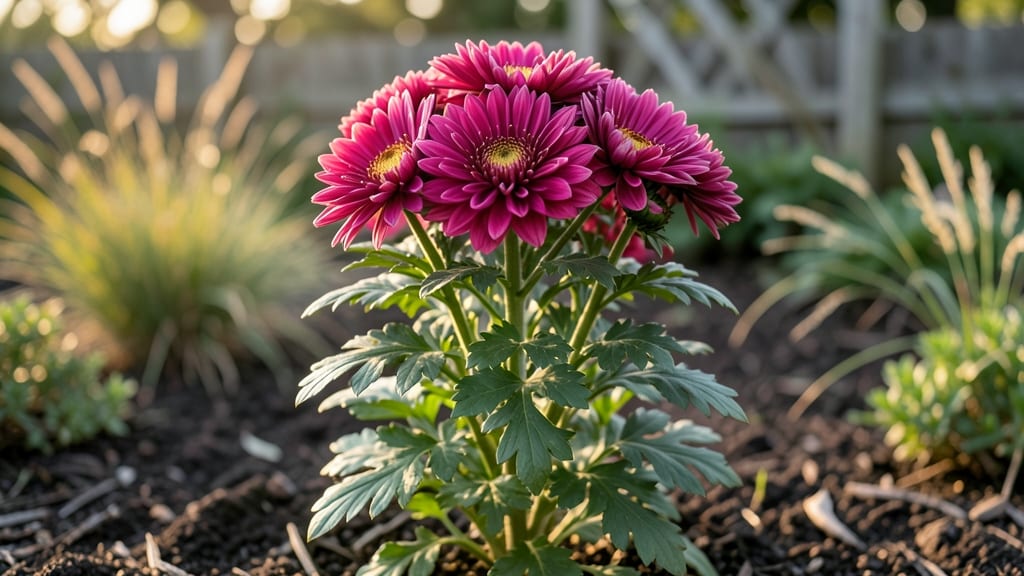
Growing chrysanthemums tall can transform your garden from ordinary to stunning, with heights ranging from 6 inches to over 6 feet depending on the variety.
If you’ve ever wondered whether these 🌼 blooms will fit snugly in your window boxes or stretch dramatically toward the sky, the answer lies in their variety and care. Some stay compact enough for container gardens, while others reach heights that make them perfect backdrops for borders or focal points.
This isn’t just about aesthetics—height impacts spacing, sunlight exposure, and even how you prune. A dwarf variety might thrive in a small pot, while a tall standard needs room to spread its branches and avoid flopping over in wind or rain.
Below, I’ll break down the exact height ranges for popular chrysanthemums, how to control their growth, and the perfect spacing for each size—so you can plan your garden with confidence.


Chrysanthemum height ranges: from dwarf varieties to giant bloomers
Chrysanthemums offer an incredible variety of heights, from tiny tabletop varieties that fit in window boxes to towering giants that make bold garden statements. Their mature height determines not just their visual impact but also their ideal spacing, pruning needs, and placement strategies in your landscape.
Whether you're designing a container garden or a backyard border, knowing these height ranges helps you avoid overcrowding or wasted space.
Most gardeners categorize chrysanthemums into four main height groups: dwarf, semi-dwarf, standard, and giant. Each category serves different purposes in garden design, from edging plants to backdrop focal points.
Understanding these distinctions ensures you choose the perfect variety for your space, whether it's a small patio or a large perennial bed.
Dwarf varieties typically reach only 6-12 inches tall and are perfect for container gardening, window boxes, or rock gardens. These compact beauties often bloom prolifically, making them ideal for seasonal color bursts in tight spaces. Their low height also makes them easier to maintain and protect from strong winds or heavy rainfall.
When comparing chrysanthemum heights to other common garden plants, dwarf varieties are similar in size to petunias or marigolds, making them ideal for mixed containers or hanging baskets. Standard-height chrysanthemums (2–3 feet) align well with black-eyed Susans or coneflowers, creating cohesive perennial borders.
Meanwhile, giant varieties (4–6 feet) rival sunflowers or hollyhocks, serving as dramatic backdrop plants in larger gardens.
One of the most common mistakes gardeners make is overcrowding taller varieties, which can lead to poor airflow and increased risk of fungal diseases like powdery mildew.
For example, giant chrysanthemums need at least 3 feet of space between plants to thrive, while dwarf types can be planted just 6 inches apart in containers. Always check the spacing recommendations for your specific variety to ensure healthy growth and vibrant blooms.
If you're designing a layered garden bed, consider placing tall chrysanthemums at the back and dwarf varieties in the front. This creates a natural height progression that draws the eye deeper into the space.
For container arrangements, mix semi-dwarf and dwarf chrysanthemums with trailing plants like lobelia or sweet potato vine to add texture and movement.
Another factor to consider is how height affects bloom production. Taller varieties often produce larger individual flowers but may require staking or support to prevent flopping. Dwarf varieties, while smaller, typically bloom more frequently and densely, making them perfect for seasonal color displays.
If you're growing chrysanthemums for cut flowers, taller varieties yield longer stems, while dwarf types offer more compact arrangements for small vases.
For gardeners in small urban spaces, dwarf and semi-dwarf chrysanthemums are game-changers. They thrive in 5-gallon containers or window boxes
Best garden spaces for chrysanthemums based on their height
Choosing the right spot for your chrysanthemums isn’t just about aesthetics—it’s about maximizing their natural growth patterns. Dwarf varieties thrive in tight spaces, while tall bloomers need room to shine (literally) in the back of beds.
My garden’s layout transformed after I learned to match chrysanthemum heights to their ideal environments, creating layers that draw the eye and highlight seasonal blooms.
Whether you’re working with container gardens, border plantings, or vertical displays, understanding height ranges helps you avoid overcrowding or wasted space. For example, a 6-inch dwarf like ‘Little Albert’ belongs in a window box, while a 4-foot giant like ‘Mammoth’ deserves center-stage placement.
Let’s explore how to place each type for stunning results.
Ideal for: Window boxes, container gardens, fairy gardens, or front-of-border plantings.
Perfect for: Edging pathways, mixed containers, or low borders with annuals.
Best for: Mid-border plantings, mass displays, or pairing with perennials like black-eyed Susans.
Use in: Back-of-bed plantings, focal points, or near structures like trellises for vertical impact.
For dwarf chrysanthemums, I recommend using them in container gardens or as edging plants. Their compact size makes them perfect for small spaces like balconies or patio corners.
In my own garden, I planted ‘Bonanza’ in 12-inch pots along my deck railing, creating a colorful border that’s easy to maintain. These varieties also work beautifully in hanging baskets, where their trailing stems add movement and texture.
When it comes to standard and tall varieties, the back of garden beds is their natural stage. I’ve found that placing 3-foot chrysanthemums behind 2-foot salvias creates depth and draws attention to taller blooms.
For giant varieties, consider using them as focal points near pathways or patios, where their height adds drama. My ‘Mammoth’ chrysanthemums stand 5 feet tall and serve as a stunning backdrop for my vegetable garden.
Don’t overlook vertical displays—they’re a game-changer for taller chrysanthemums. I’ve seen stunning results by training 4-foot varieties along obelisks or trellises, turning them into living sculptures.
This technique works especially well in small gardens, where vertical space is often underutilized. Just ensure you provide support stakes early in the season to prevent flopping stems.
Pro tip: Use height to create visual layers in your garden. Plant the tallest varieties at the back, medium heights in the middle, and dwarf types in the front. This creates a natural progression that guides the eye through your landscape.
In my fall garden design, this layering extends the season by ensuring something is always blooming at every level.