
Size
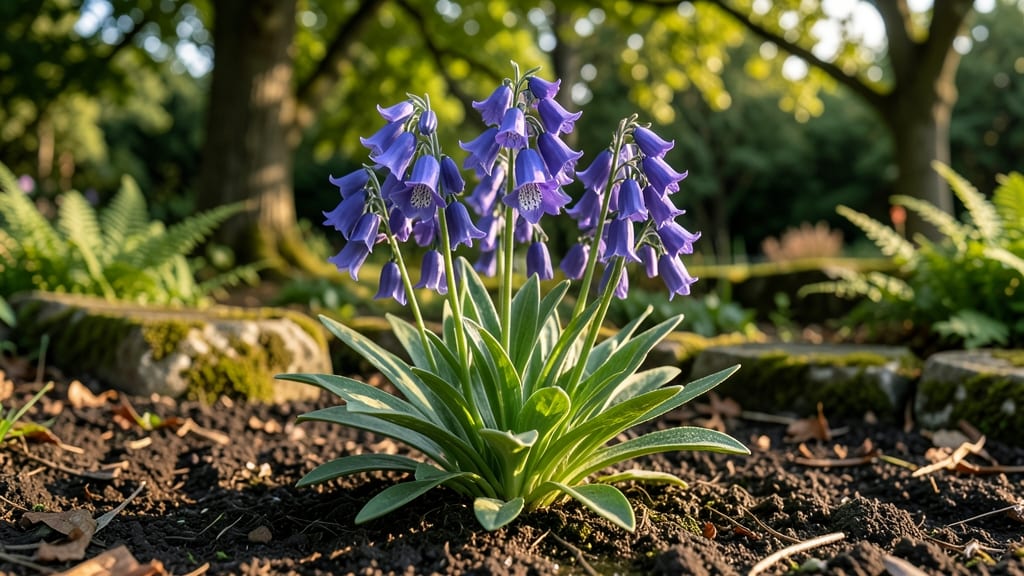
Canterbury bells grow between 1 and 3 feet tall, depending on the variety and growing conditions—so if you’re planning your garden layout, knowing their mature height is key.
Picture this: delicate 🌸 Canterbury bells cascading over a stone wall or standing proudly in a cottage garden border. Some varieties, like the dwarf types, stay compact at just 12 inches, while others, like 'Telephone Wire,' can stretch toward 3 feet or more.
That’s a big difference, and it affects everything from spacing to companion plants.
Sunlight, soil quality, and even your USDA zone play a role in how tall they grow. In cooler climates like Zone 6a, they often reach their full potential, while hotter summers might stunt their growth.
Pruning and proper spacing can also help manage their height, especially if you’re working with limited garden space.
Below, I’ll break down the exact height ranges by variety, share tips for controlling their size, and explain how to create a stunning display without overcrowding your garden. Let’s get started!


Canterbury bells height ranges by variety: from dwarf to giant
Canterbury bells (Campanula persicifolia) are famous for their striking bell-shaped blooms, but their height variations can completely transform your garden design.
Some varieties stay compact at just 12 inches, while others stretch toward 7 feet—making them perfect for borders, cottage gardens, or even as towering focal points. The key to choosing the right variety lies in understanding their mature size and growth habits.
Whether you're working with a small patio or a sprawling backyard, selecting the right Canterbury bell variety ensures your garden thrives without overwhelming your space. Below, we’ll explore the height ranges of popular varieties, so you can pick the perfect fit for your layout.
From delicate dwarf types to sky-scraping giants, there’s a Canterbury bell for every garden style.
📌 Pro Tip: Always check the mature height before planting—some varieties can double in size once established! Also, consider your garden’s sunlight exposure and soil drainage, as these factors can influence how tall your Canterbury bells grow.
| Variety | Mature Height Range | Growth Habit | Best For |
|---|---|---|---|
| 'Alba' | 12–18 inches | Compact, bushy | Borders, containers, rock gardens |
| 'Telephone Wire' | 3–4 feet | Tall, slender stems | Back of borders, cottage gardens |
| 'White Star' | 2–3 feet | Upright, slightly bushy | Cut flowers, mixed borders |
| 'Blue Clips' | 4–5 feet | Tall, sturdy stems | Backdrop plant, tall garden features |
| 'Carillon' | 2–3 feet | Bushy, multi-branched | Mass planting, pollinator gardens |
| 'Mayi' | 5–7 feet | Extremely tall, sturdy | Garden focal points, large borders |
If you're growing dwarf varieties like 'Alba', you’ll love how they spill over container edges or brighten rock gardens with their 12–18 inch height. These compact types are perfect for small spaces or urban gardens where vertical growth is limited.
Their bushy habit also makes them ideal for pollinator-friendly borders, as bees and butterflies adore their nectar-rich blooms.
On the other end of the spectrum, tall varieties like 'Mayi' and 'Blue Clips' can reach 5–7 feet, making them stunning focal points in cottage gardens or mixed borders.
These giants thrive in moist, well-draining soil and benefit from staking to prevent flopping in windy conditions. Their towering blooms add drama and height to any garden design.
For medium-height varieties like 'White Star' or 'Carillon', you’ll find a balance—typically 2–3 feet tall—that works beautifully in mixed flower beds or as cut flowers. These types are versatile enough for both formal gardens and wildflower meadows, offering a mix of structure and softness.
Their upright growth habit also makes them easy to pair with other perennials.
One common misconception is that all Canterbury bells grow to the same height. In reality, their size is heavily influenced by genetics, sunlight, and soil quality. For example, 'Telephone Wire' may only reach 3–4 feet in partial shade but can stretch toward 5 feet with full sun exposure.
Always plant them in well-draining soil to encourage healthy, sturdy growth.
If you're unsure which variety to choose, start with medium-height types like 'White Star'—they’re forgiving for beginners and offer long-lasting blooms from late spring to early summer. For a bold statement, 'Mayi' is unmatched in height and impact, while 'Alba' is the perfect low-maintenance option for small gardens.
🌿 Garden Hack: Mix tall and short varieties in the same bed to create natural layers. Place dwarf types in the front, medium heights in the middle, and tall varieties at the back for a professional, textured look that draws the eye upward.
How to control Canterbury bells height for small gardens
Small gardens need smart solutions, and Canterbury bells can still shine without dominating your space. The key is choosing the right dwarf varieties and managing their growth with simple techniques. For example, 'Blue Clips' stays under 18 inches, while 'Alba' reaches about 2 feet—both perfect for tight layouts.
Even taller varieties can be tamed with pruning and strategic planting.
Pruning is your best friend when dealing with overgrowth. I recommend cutting back spent blooms regularly to encourage bushier growth and prevent legginess. This not only controls height but also extends the flowering season.
For varieties like 'Telephone Wire,' which can grow over 3 feet, pruning after the first flush of blooms keeps them manageable while preserving their charm.
Here’s how to manage their height effectively, from variety selection to companion planting:
- 1. Choose dwarf varieties: Opt for 'Blue Clips' (12-18") or 'Alba' (18-24") to save space. These stay compact while still delivering stunning blooms.
- 2. Prune strategically: Cut back 1/3 of the stem after flowering to encourage bushier growth. Use clean, sharp pruning shears to avoid damaging the plant.
- 3. Space plants wisely: Leave 12-18 inches between dwarf varieties and 24 inches for taller types. This prevents overcrowding and improves airflow.
- 4. Use companion planting: Pair with shorter perennials like ajuga or heuchera to create layers. This adds depth without sacrificing height control.
- 5. Mulch regularly: Apply 2-3 inches of mulch to suppress weeds and retain moisture. This reduces stress on the plant, keeping it healthier and more compact.
Companion planting is another game-changer for small gardens. I love pairing Canterbury bells with low-growing ground covers like creeping thyme or saxifrage. This creates a stunning vertical display while keeping the garden looking full and intentional.
For example, planting 'Blue Clips' in front of a taller delphinium adds texture and height without overwhelming the space.
If you’re dealing with a particularly tall variety, consider training them to grow against a trellis or obelisk. This not only saves space but also adds a whimsical touch to your garden.
Just make sure to use soft ties to avoid damaging the stems. For instance, 'Telephone Wire' looks stunning when trained vertically, turning it into a living sculpture.
Finally, don’t forget that soil quality plays a role in height control. Well-draining, nutrient-rich soil encourages healthier growth, but over-fertilizing can lead to leggy stems. Stick to a balanced fertilizer like 10-10-10 and apply it sparingly—just enough to support blooms without promoting excessive height. A little goes a long way!