
How To
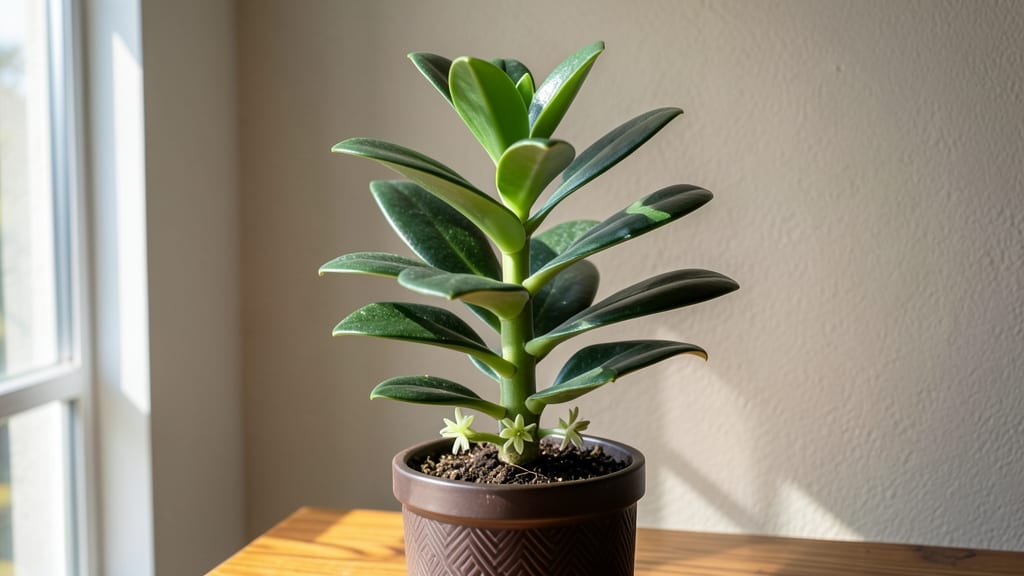
A ZZ plant grows between 1 and 3 feet tall indoors, making it the perfect low-maintenance houseplant for small spaces.
If you’ve ever watched yours stretch toward the ceiling like it’s reaching for a sunbeam, you’re not alone. This hardy plant thrives in low light but can get leggy when it doesn’t get enough—though it’s never too late to trim it back.
The good news? With the right care, you can keep it compact and lush, even in a tiny apartment.
Outdoor growth is rare (ZZ plants are tropical but not frost-hardy), but if you move yours outside in USDA Zone 6a, expect slightly faster growth—up to 4 feet in ideal conditions. Most people, though, keep theirs indoors year-round, where height stays manageable with occasional pruning.
Below, I’ll break down how to control its size, the best varieties for small spaces, and why some ZZ plants seem to grow faster than others—plus how to keep yours thriving without the leggy look.


ZZ plant height ranges: how tall they grow indoors by variety
The ZZ plant (Zamioculcas zamiifolia) is prized for its adaptability and striking glossy, dark green leaves. But how tall does a ZZ plant grow? The answer varies widely—from compact 1-foot dwarf varieties to towering 4-foot giants—depending on the cultivar and growing conditions.
Understanding these ranges helps you choose the right variety for your space and manage its growth effectively.
Most standard ZZ plants reach 2-3 feet tall indoors under average care, but some varieties can exceed 4 feet if given optimal conditions. The key factors influencing height include light exposure, pot size, and pruning habits.
For example, a ZZ plant in a bright, indirect light with regular pruning will stay bushier and shorter, while one in a dark corner may grow leggy and taller as it stretches for light.
Below is a breakdown of ZZ plant height ranges by variety, including dwarf, standard, and variegated types. This summary table will help you visualize the differences and plan your indoor garden layout accordingly.
If you’re wondering how tall your ZZ plant will grow, consider its variety first. For instance, the 'Lunar Gratia' stays under 2 feet, making it perfect for shelves or desks, while the 'Zenith' can reach 4 feet if unchecked.
Even within the same variety, factors like light levels and pot size play a huge role. A ZZ plant in a small pot will grow slower and stay shorter, while one in a large container with plenty of nutrients may stretch taller.
Another critical factor is pruning. Regularly trimming the longest stems encourages bushier growth and prevents legginess. Pinch back the tips of new growth to promote side shoots, which will keep your ZZ plant compact and full.
This is especially useful for varieties like the 'Zenith', which can become top-heavy without pruning.
For small spaces, opt for dwarf varieties like 'Raven' or 'Lunar Gratia'. These stay under 2 feet and thrive in low-light conditions, making them ideal for offices or bathrooms.
Even standard varieties can be kept small with consistent pruning and rotating the pot to ensure even light exposure on all sides.
Light exposure is often underestimated but critical. A ZZ plant in bright, indirect light will grow 20-30% faster and stay more compact than one in a dark corner.
If your ZZ plant starts stretching toward a window, it’s a sign it needs more light or a smaller pot to slow its vertical growth. Conversely, too much direct sunlight can scorch the leaves, stunting growth entirely.
Pot size also affects height. A root-bound ZZ plant in a small pot will grow slower and stay shorter, while one in a large container with fresh soil may grow taller as it focuses on filling the space.
If you want to control height, repot into a slightly larger pot only every 2-3 years and avoid over-fertilizing, which can encourage rapid, leggy growth.
In summary, the height of your ZZ plant depends on its variety, light conditions,
How to control ZZ plant growth: pruning and care tips for compact size
If your ZZ plant is stretching taller than you’d like, don’t worry—it’s easy to manage its height with a few simple techniques. The key is pruning, repotting, and adjusting light exposure to encourage bushier, more compact growth.
Even if it reaches 3 feet tall, you can trim it back to your preferred size, like 12–24 inches, without harming the plant.
ZZ plants grow slowly but can become leggy if they don’t get enough indirect light or are root-bound. The good news? Pruning not only controls height but also promotes fuller foliage.
I’ll walk you through the exact steps to keep your plant at your desired size while keeping it healthy and vibrant.
Before you start, gather your tools: sterilized pruning shears, a small pot (if repotting), and a well-draining soil mix. The goal is to trim back leggy stems and encourage new growth from the base. Let’s get started with a clear, step-by-step process.
Step-by-Step Guide to Pruning and Care
-
Step 1: Identify leggy stems
Look for stems that are longer than 6 inches with sparse leaves or bare spots. These are prime candidates for pruning to encourage bushier growth. -
Step 2: Trim above a leaf node
Use sterilized pruning shears to cut 1–2 inches above a leaf node (where leaves grow). This encourages new shoots to sprout from the node. -
Step 3: Repot if root-bound
If roots are circling the pot, repot into a container 1–2 inches larger with fresh well-draining soil. This slows height growth and promotes width. -
Step 4: Adjust light exposure
Move your ZZ plant to a spot with 2–4 hours of indirect light daily. Avoid direct sunlight, which can scorch leaves and encourage rapid (but leggy) growth. -
Step 5: Water sparingly
Let the top 2 inches of soil dry out between waterings. Overwatering stresses the plant and can lead to weak, leggy growth. -
Step 6: Fertilize lightly in spring
Use a balanced fertilizer (10-10-10) once in early spring to support healthy growth. Avoid fertilizing in winter or fall.
After pruning, place your ZZ plant in a bright, indirect light spot to encourage new growth. Within a few weeks, you’ll see fresh leaves sprouting from the trimmed nodes, creating a fuller, more compact shape. For faster results, repeat the process every 3–6 months or as needed.
Remember, ZZ plants are resilient. Even if you prune it back hard, it will bounce back with time. If you’re aiming for a 12–24 inch height, focus on trimming leggy stems and repotting every 2–3 years to keep it in check.
With these tips, your ZZ plant will stay lush, compact, and perfect for small spaces.
Pro tip: Save your cuttings! Place them in water or soil to propagate new plants—it’s a great way to expand your collection without spending a dime. 🌱