
Size
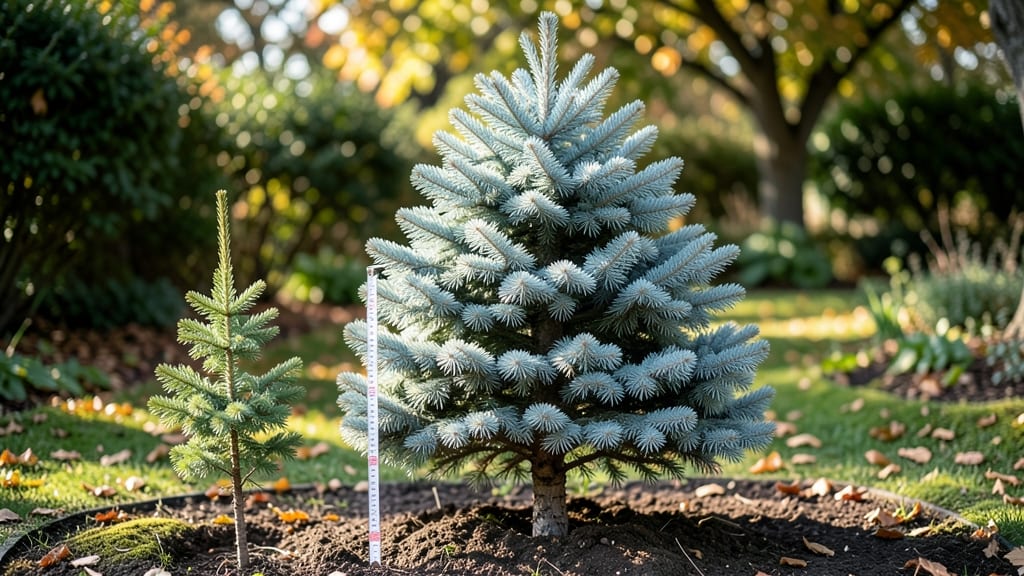
The Baby Blue Spruce 🌲 grows anywhere from 3 feet to 20 feet tall, depending on the variety and growing conditions—so picking the right one for your space makes all the difference.
Picture this: a compact 5-foot "Glauca Globosa" that fits perfectly in a front-yard garden versus a 15-foot standard spruce towering over your patio. The difference isn’t just height—it’s how you use it in your landscape.
Most gardeners underestimate how much space these trees need as they mature, leading to crowded plantings or pruning headaches. But with the right variety and care, you can keep your Baby Blue Spruce at just the right size for years.
In this guide, I’ll break down the height ranges by variety, how fast they grow, and the simple pruning tricks to control their size—so you can enjoy that striking blue foliage without the surprise overgrowth.


Baby Blue Spruce mature height by variety: complete growth chart
If you're planning to plant a Baby Blue Spruce (Picea pungens 'Glauca'), one of the first questions you'll ask is, "How tall will it grow?" The answer depends entirely on the variety you choose.
These stunning evergreens range from compact shrubs to towering trees, making them perfect for everything from container gardens to large landscape focal points. Let's explore the mature heights and growth habits of the most popular varieties.
Understanding these differences is key to selecting the right Baby Blue Spruce for your space. A dwarf variety like 'Glauca Globosa' might stay under 6 feet, while a standard variety can reach 25 feet or more.
Proper spacing during planting is also critical—crowding can stunt growth or lead to disease. Let's dive into the specifics so you can make an informed decision for your garden.
The 'Glauca Globosa' is my top pick for small spaces—its globose shape and slow growth make it ideal for containers or rock gardens. Plant it 4–6 feet from other plants to prevent overcrowding.
Meanwhile, the 'Glauca Conica' strikes a balance between compact size and statement-making height, perfect for foundation plantings where you want year-round color without overwhelming your yard.
For those with larger properties, the 'Glauca Pendula' offers a weeping habit that adds drama to landscapes. Its spreading branches mean you’ll need 10–12 feet of clearance, but the result is a graceful focal point.
If you're aiming for a privacy screen or windbreak, the standard 'Glauca' variety is
How fast do Baby Blue Spruce trees grow? Growth rate by age
Your Baby Blue Spruce's growth speed depends on its age and variety, but most grow 6 to 12 inches per year during their first decade. The fastest growth happens in their second and third years, where they can shoot up 18 to 24 inches annually with ideal conditions.
For example, a Glauca Globosa might only reach 3 feet tall after 5 years, while a standard variety could hit 10 feet in the same time. Understanding these growth patterns helps you plan spacing and pruning from day one.
Here's what to expect at each growth stage, along with care tips to maximize that stunning blue foliage while controlling height:
- 1 Year 1-2: 1-2 ft growth. Focus on deep watering weekly and mulching to establish roots.
- 2 Year 3-5: 12-18 in/year. Add balanced fertilizer in spring and prune brown tips to encourage dense growth.
- 3 Year 6-10: 6-12 in/year. Growth slows—time for structural pruning to maintain shape and prevent overcrowding.
- 4 Year 11+: 3-6 in/year. Mature trees need less water but benefit from annual soil checks to prevent nutrient loss.
To encourage faster growth during the critical first 5 years, plant in well-draining soil with full sun exposure. Avoid overwatering—Baby Blue Spruces hate soggy roots. Instead, water deeply once a week during dry spells.
For dwarf varieties like Glauca Globosa, prune new growth tips in late spring to maintain their compact shape. Standard varieties benefit from annual tip pruning to encourage bushier growth rather than tall, leggy branches.
Remember, slower growth doesn't mean poor health—many Baby Blue Spruces thrive with minimal care once established. The key is balancing height control with foliage density to keep that iconic blue hue vibrant year-round.