How To
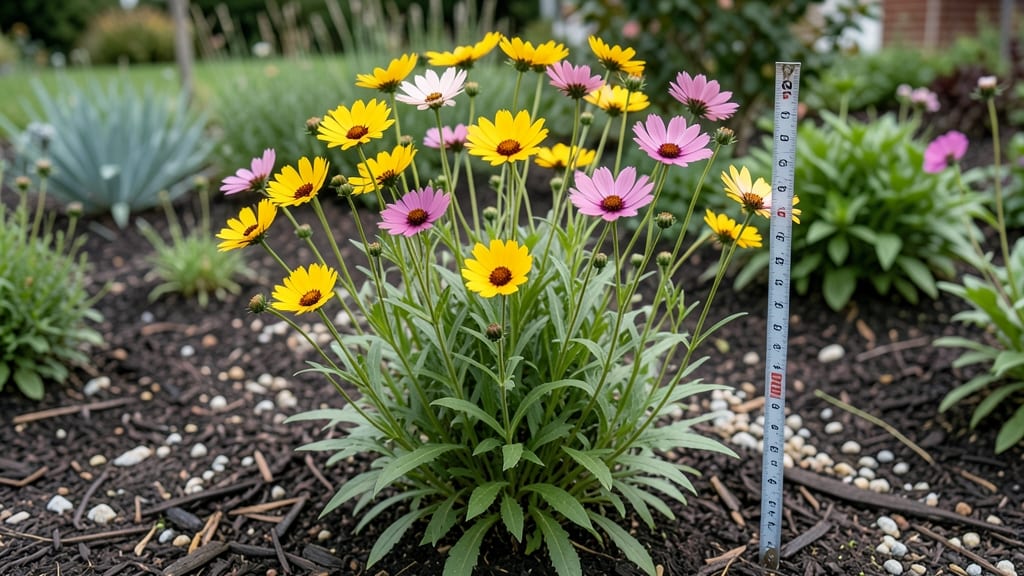
Coreopsis grows anywhere from just 6 inches to over 4 feet tall, depending on the variety and growing conditions.
If you're planning your garden layout or dreaming of vibrant summer blooms, knowing how tall coreopsis varieties grow can make all the difference between a crowded flowerbed and a stunning, well-proportioned display.
Dwarf varieties like 'Moonbeam' stay compact at 12 inches, perfect for borders or containers, while taller types such as 'Sunburst' can reach 3 to 4 feet, making them ideal for the back of flower beds.
Below, I’ll break down the height ranges by variety, how sunlight and soil affect growth, and which plants pair best for a balanced, eye-catching garden design.


Coreopsis height ranges by popular variety (with key characteristics)
Coreopsis is one of my favorite sun-loving perennials because it offers such versatile height options to fit any garden design. Whether you're creating a low-border display or a back-of-border statement, choosing the right variety ensures your coreopsis plants thrive while complementing surrounding foliage.
The height differences between varieties can be dramatic—some stay compact enough for container gardening, while others reach towering heights perfect for cut flower arrangements.
Understanding these height variations helps you avoid overcrowding in small spaces or underwhelming displays in larger gardens. Coreopsis typically matures between 12 inches and 4 feet, but the spread can vary just as much as the height.
Let's explore the most popular categories—dwarf, medium, and tall—along with their unique characteristics and ideal planting scenarios.
Here's a quick visual guide to help you compare the most common coreopsis varieties by height, spread, and key growing traits:
The dwarf varieties like 'Moonbeam' are perfect for small-space gardening or container arrangements. Their 6-12 inch height makes them ideal for rock gardens or as edging plants along walkways. I've used these in window boxes where their cheerful yellow blooms add instant color without overwhelming the space.
These varieties also work beautifully in pollinator gardens when paired with low-growing thyme or creeping phlox.
For medium-height coreopsis like 'Grandiflora', you'll find the 2-3 foot range strikes that perfect balance for mixed borders. These varieties create a natural transition between front and back garden layers. I often plant them behind salvias or catmint and in front of black-eyed Susans for a layered look.
Their 18-24 inch spread also makes them great for mass plantings in cottage-style gardens.
When you need dramatic height, the tall varieties like 'Sunray' and 'Red Pillar' deliver with 3-4 foot stems. These are my go-to choices for cut flower arrangements because they hold up well in bouquets.
In the garden, I'll often stake these varieties or plant them near tall grasses or coneflowers to create a natural focal point. Their vertical growth habit also makes them excellent for urban gardens where space is limited but height is desired.
One factor that influences coreopsis height more than variety is growing conditions. While all coreopsis thrive in full sun, those in partial shade may grow slightly shorter and produce fewer blooms.
I've noticed my 'Grandiflora' plants reach their full 3-foot potential when given well-draining soil and regular deadheading. In poor soil conditions, they might only reach 2 feet but still produce abundant flowers.
For container gardening, always choose dwarf varieties or be prepared for root-bound plants that may grow taller than expected. I've learned the hard way that even medium-height coreopsis can outgrow 12-inch pots if left unpr
How to choose coreopsis height for your garden design
Choosing the right coreopsis height transforms your garden from chaotic to curated. Since varieties range from 6 inches to 4 feet tall, selecting the perfect size ensures your plants complement—not compete with—your design.
Tall varieties like 'Sunray' (3-4 ft) work beautifully as back-of-border accents, while dwarf types such as 'Moonbeam' (6-12 in) shine in container gardens or front borders.
Your garden's sun exposure also dictates height choices. Coreopsis thrives in full sun (6+ hours daily), but taller varieties may need staking or support in windy areas.
For shadier spots, opt for shorter types like 'Zagreb' (1-2 ft) to avoid flopping. Pairing height-compatible plants—like lavender (1-2 ft) with semi-dwarf coreopsis—creates a balanced, layered look.
Coreopsis Height Guide: Pros & Cons
Tall Varieties (2-4 ft)
- Pros: Dramatic backdrop plant, attracts pollinators
- Cons: Needs staking, may overwhelm small gardens
Medium Varieties (1-2 ft)
- Pros: Versatile for mixed borders, pairs well with perennials
- Cons: Limited visual impact alone
Dwarf Varieties (6-12 in)
- Pros: Perfect for containers, low borders, and pollinator gardens
- Cons: Less height variation in design
Tip: Use height contrast—pair tall coreopsis with low-growing thyme (3 in) for texture.
For small gardens, I recommend dwarf coreopsis varieties like 'Early Sunrise' (12-18 in) to avoid overwhelming space. These work beautifully in rock gardens or as edging plants.
In larger landscapes, tall coreopsis creates focal points when planted in odd-number groupings (e.g., 3 or 5 plants). Always leave 12-18 inches between stems for airflow and prevent disease.
Consider companion planting to maximize height benefits. Tall black-eyed Susans (3-4 ft) pair well with salvia (2-3 ft), while dwarf coreopsis complements sedum (6-12 in) in sunny borders. Grouping plants by height zones—tall in back, medium in middle, short in front—creates a professional garden layout with minimal effort.
If your garden has limited sunlight, prioritize shorter varieties like 'Moonbeam' (6-12 in), which tolerates partial shade better than taller types. In full sun, all coreopsis varieties thrive, but taller ones may need support stakes to prevent flopping.
Always plant in well-draining soil to encourage upright growth and vibrant blooms.
Experiment with height layers to add depth. For example, place tall coreopsis (3-4 ft) behind medium shrubs (2-3 ft) and dwarf perennials (6-12 in) in front. This technique works wonders in cottage-style gardens or modern landscapes alike. Start small—test a few varieties in different areas before committing to large-scale planting.