
Succulent
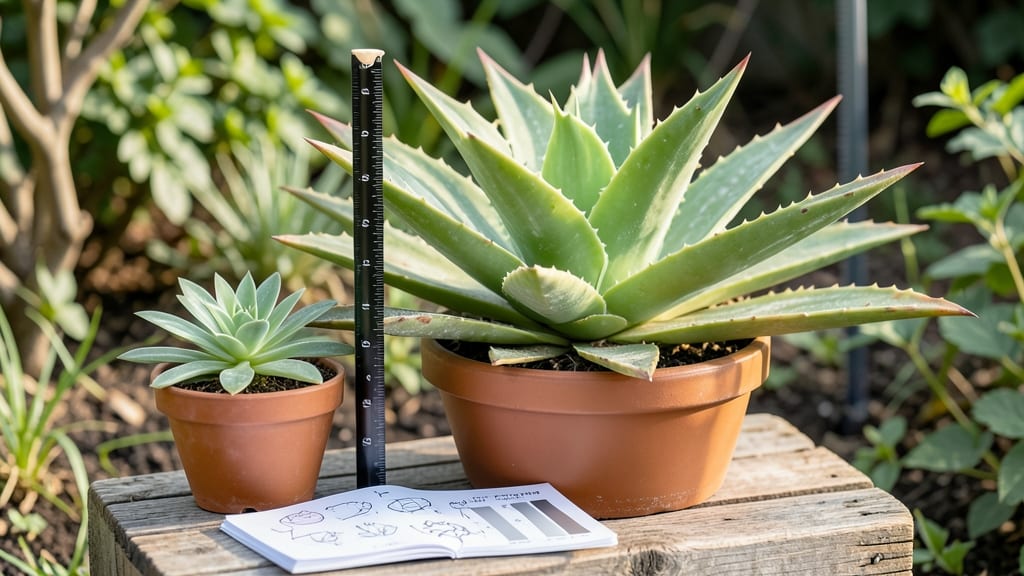
Succulents can grow anywhere from a few inches to over 10 feet tall, depending on the species—turning your windowsill or garden into a living size spectrum.
Picture this: a thumb-sized Haworthia sitting next to a tree-like Agave americana that towers over your head. That’s the kind of range you’re dealing with, and it all comes down to genetics, care, and a little patience.
If you’re planning a container layout or dreaming of a sunroom display, knowing these heights helps you pick the right varieties. Some stay compact for years, while others demand space—or a strategic pruning plan to keep them in check.
Below, I break down the dwarf to giant spectrum, what influences their growth, and how to manage their size—whether you want a tiny tabletop garden or a dramatic statement plant.


Succulent height guide: from dwarf varieties to towering giants
Succulents are one of nature's most versatile plants, offering sizes that range from thumb-sized wonders to tree-like giants. Whether you're designing a windowsill garden or a desert landscape, understanding these height variations helps you plan your space.
Some species stay compact for years, while others grow aggressively—even reaching tall enough to shade your patio!
The key to choosing the right succulent starts with knowing its mature height expectations. Dwarf varieties like Haworthia remain under 3 inches tall, perfect for terrariums, while giants like Agave americana can soar to 10+ feet.
Let’s break down the categories so you can pick plants that fit your vision—whether it’s a minimalist desk collection or a bold statement plant.
| Category | Height Range | Iconic Examples | Best For |
|---|---|---|---|
| Ultra-Dwarf | Under 3 inches | Haworthia, Gasteria, Echeveria 'Lola' | Terrariums, fairy gardens, desk plants |
| Small | 3–12 inches | Sedum morganianum, Jade Plant, Aloe vera (compact) | Windowsills, hanging baskets, small containers |
| Medium | 12–24 inches | Sansevieria (Snake Plant), Aloe arborescens, Echeveria 'Lola' | Floor plants, patio borders, mixed containers |
| Giant | 24+ inches (up to 10+ ft) | Agave americana, Beaucarnea recurvata, Dracaena marginata | Landscaping, large containers, desert gardens |
If you love compact gardens, ultra-dwarf succulents like Haworthia are ideal. These tiny powerhouses thrive in small pots or even as single-plant displays on shelves. Their slow growth means they’ll stay charmingly small for years, making them perfect for low-maintenance collectors.
Just ensure they get bright indirect light to prevent stretching.
For statement-making plants, medium-height succulents like Sansevieria or Aloe arborescens strike the perfect balance. These varieties grow tall enough to add vertical interest to rooms but stay manageable for most indoor spaces.
Place them near south-facing windows to encourage healthy, upright growth. With proper care, they can live for decades, becoming cherished houseplants.
Now, if you’re dreaming of a desert oasis, giant succulents like Agave americana deliver dramatic results. These architectural giants can reach 10 feet or taller and create a wow factor in outdoor landscapes.
However, they require ample space and well-draining soil to thrive. In containers, their roots can become unwieldy, so plan for large pots or in-ground planting.
One common misconception is that all succulents grow tall over time. In reality, many stay small naturally, while others—like Kalanchoe or Sedum—can bolt upright if given too much sunlight or space. To keep them compact and bushy, rotate your pots occasionally and prune leggy stems.
This trick works especially well for trailing varieties like String of Pearls (Senecio rowleyanus), which can sprawl 1–2 feet long if unchecked.
When selecting succulents for container gardens, always check the mature height before buying. A 3-inch pot might seem spacious, but a Beaucarnea recurvata (ponytail palm) can outgrow it in just a few years.
For long-term success, choose pots that are 2–3 inches larger in diameter than the plant’s current base. This gives roots room to spread without restricting growth.
For indoor gardeners, dwarf and small succulents are the easiest to maintain. Their slow growth rates mean less frequent repotting, and their low water needs make them ideal for busy lifestyles.
Pair a Haworthia with a Sedum in a shared container for a textural contrast that’s both striking and simple to care for. Just remember: more sun = slower stretching, so place them where they’ll get at least 4–6 hours of light daily.
If you’re planning a succulent landscape, mix heights for visual interest. Place tall varieties like Agave at the back, medium-height plants like Echeveria in the middle, and dwarf species like Lithops in the front.
This creates a natural tiered effect that’s both functional and beautiful. Just ensure each plant has proper spacing—crowding can lead to competition for nutrients and stunted growth.
Finally, don’t forget that succulent height isn’t set in stone. With the right care—like pruning, propagation, and container size adjustments—you can shape their growth to fit your space.
Whether you’re aiming for a miniature garden or a room-filling centerpiece, understanding these height ranges puts you in control of your succulent’s destiny. 🌵
Factors that influence how tall succulents grow (and how to control them)
Your succulents' height isn't just luck—it's a mix of genetics, environmental factors, and the care you provide. While some species like Haworthia stay tiny, others like Agave americana can soar to 10+ feet.
Understanding these variables lets you guide their growth, whether you want a compact tabletop plant or a tall statement piece. Let's break down what controls their height and how to shape it.
The most critical factor is species genetics. Some succulents are hardwired to stay small, like Echeveria (3-6 inches) or Sedum morganianum (12-18 inches), while others naturally grow tall, such as Yucca (6-10 feet) or Beaucarnea recurvata (5-10 feet).
Even with perfect care, a Haworthia won't grow taller than 6 inches—it's in their DNA! Choosing the right variety for your space is the first step to controlling height.
🌱
Sunlight plays a surprising role in height control. While full sun (6+ hours daily) encourages rapid vertical growth—ideal for tall statement plants—partial shade or filtered light keeps succulents shorter and bushier.
For example, placing your Echeveria in an east-facing window will keep it compact, while a south-facing spot may encourage it to stretch. If you notice leggy growth, it's a sign your plant needs more light or a pruning to reset its shape.
Pot size is another often-overlooked factor. Succulents in root-bound conditions (pots too small for their roots) will grow upward to escape the confined space. To keep your Jade Plant or Aloe compact, use a wide, shallow pot with plenty of drainage.
If you want a taller plant, opt for a deep container and ensure it’s slightly root-bound to encourage vertical growth. Repotting into a larger pot can trigger a sudden growth spurt, so time it carefully if you're managing height.
Pruning isn't just for shaping—it's a tool to control height. For taller succulents like Snake Plant or Yucca, prune the top third to encourage branching and prevent them from becoming top-heavy. For bushier growth, trim leggy stems just above a leaf node.
Always use sterilized pruning shears and let cuttings dry for a day before propagating to avoid rot. This technique works wonders for keeping fast-growing varieties like Kalanchoe in check.
Finally, your watering habits directly impact height. Overwatering weakens stems and can cause succulents to stretch or flop, while underwatering can stunt growth entirely. The key is deep, infrequent watering—soak the soil until water drains from the bottom, then wait until the top inch is dry before watering again.
This method promotes sturdy, compact growth and prevents the leggy, weak stems that come from inconsistent moisture. Combine this with proper sunlight and pot size, and you'll have full control over your succulents' height.
✂️