
Plants
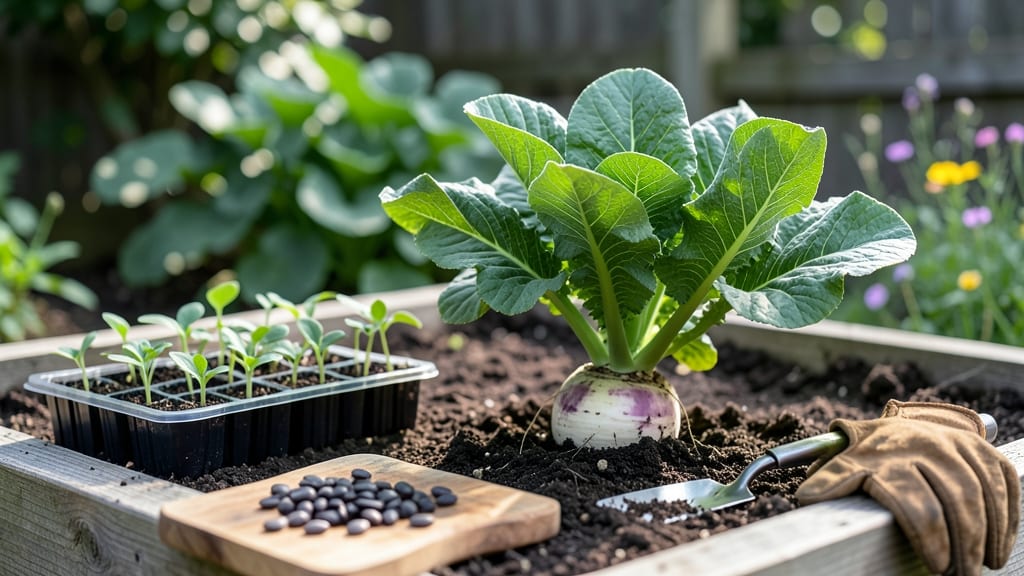
Plant turnips in Texas between late summer and early fall for the best harvest 🌱 — timing avoids the brutal summer heat that sends them bolting faster than you can say "pesto."
Texas gardeners know timing is everything—plant turnips too early, and they bolt in the heat; too late, and frost ruins your harvest. Mastering the perfect frost-free window ensures sweet, tender turnips all season long.
North Texas gardeners have a shorter window than their South Texas counterparts, where mild winters let you push planting into November. The key is soil temps above 50°F and counting 75 days until your first frost.
Below, I break down the exact months for your region, how to stretch the season with shade cloth and row covers, and the three turnip varieties that handle Texas heat like champs.
Texas turnip planting calendar: best months by region (north vs. south)
Texas gardeners face a unique challenge with turnips—they thrive in cool weather but bolt in heat. The key is planting during the frost-free window when soil temperatures stay between 45°F and 75°F.
North Texas has earlier frost dates than South Texas, so timing shifts dramatically depending on your region. Let’s break down the optimal planting months for each zone to maximize your harvest.
In North Texas (USDA Zones 7b-8a), the growing season starts earlier, with the first frost typically arriving in mid-November. This means your last chance to plant turnips for a fall harvest is mid-September.
For a winter harvest, aim for late August to early September—just before the heat peaks. South Texas (Zones 8b-9a) enjoys milder winters, so you can plant through October and even into early November for a winter crop.
Soil temperature is just as critical as air temperature. Turnips germinate best in soil that’s at least 50°F. Use a soil thermometer to check—if it’s cooler, wait a week or two.
In North Texas, soil warms up faster in spring, so you can start planting as early as mid-March for a spring harvest. South Texas gardeners can begin even earlier, around late February, thanks to warmer winters.
Here’s a quick reference for your region’s ideal planting windows:
For a spring harvest, North Texas gardeners should plant turnips in mid-March to avoid the heat of summer. South Texas can start even earlier, around late February, thanks to its warmer climate.
If you’re in Central Texas, aim for early March to balance the risk of early frosts and summer heat.
Succession planting is your secret weapon for a continuous harvest. In North Texas, plant every 2-3 weeks from August through September for fall crops. South Texas gardeners can stretch this to 3-4 weeks through October.
This method ensures you’ll always have fresh turnips while avoiding the pitfalls of bolting or frost damage.
Don’t forget to harden off seedlings if you’re starting indoors. Acclimate them to outdoor conditions over 7-10 days before transplanting. This step is crucial in Texas’s unpredictable weather, where sudden temperature swings can shock young plants. Use shade cloth if transplanting during hot afternoons to reduce stress.
If you’re planting in containers, choose compact varieties like ‘Tokyo Cross’ and use well-draining soil. Containers warm up faster, so monitor soil moisture closely—turnips need consistent moisture but hate soggy roots.
In-ground planting is ideal for larger varieties like ‘Purple Top White Globe’, which thrive in loose, fertile soil.
Pro tip: Mulch around your turnip plants with straw or grass clippings to retain moisture and regulate soil temperature. This is especially helpful in Texas’s dry spells or sudden cold snaps. Mulch also suppresses weeds, giving your turnips the competitive edge they need to grow quickly and uniformly.
Remember, turnips are fast-growing, with most varieties ready to harvest in 40-60 days. In Texas’s heat, aim for smaller, tender roots—they’ll be sweeter and less woody.
If you miss the fall window, don’t despair! Try shade cloth in summer for a late-season harvest, or save seeds for spring planting.
How to extend turnip growing seasons in Texas heat or cold
Texas summers can turn your turnip plants into bitter, bolted messes before you even harvest them. The key to success? Strategic timing and protective measures that shield your crops from extreme temperatures. I’ve learned the hard way—skipping these steps means watching your hard work go to seed (literally).
Turnips thrive in cool weather (50-70°F), but Texas heat pushes them into survival mode. Bolting (flowering prematurely) turns sweet roots into tough, pithy disappointment. Meanwhile, late frosts in North Texas or early cold snaps in Central Texas can freeze tender greens overnight.
The solution? Extend your growing window with smart techniques tailored to Texas’ unpredictable climate.
North Texas (Zones 7b-8a): Plant late August to early September for fall harvests. Avoid planting after October 15—frost risk spikes.
Central/South Texas (Zones 8b-9a): Sow September 15 to October 15 for winter crops. Never plant before September 1—heat stress causes bolting.
Pro Tip: Use a soil thermometer—ideal temps are 55-65°F for germination.
For summer heat, succession planting is your best friend. Instead of one big batch, sow small batches every 2-3 weeks from late summer into early fall. This keeps a steady supply of young, tender turnips before the real cold sets in.
I plant my first batch in mid-August (shaded rows) and follow up with September and October sowings—this way, I harvest before the holidays!
Shade cloth (30-50%) is a game-changer in Texas summers. Stretch it over seedlings for 4-6 weeks to lower soil temps by 10-15°F. Pair this with daily watering at the base (not overhead) to prevent stress.
My Purple Top White Globe turnips stayed sweet and crisp under 40% shade cloth all September long.
When frost threatens, row covers save the day. Lightweight fabric traps heat and protects greens down to 20°F. For extra insurance, add a 2-inch layer of straw mulch around the base—this insulates roots and prevents soil heaving.
I’ve kept turnips growing through December in North Texas using this combo, even when temps dipped into the 20s.
Don’t forget about cold-hardy varieties like ‘Tokyo Cross’, which tolerates light frosts better than standard types. Pair these with raised beds (warmer soil in winter) for extended harvests. My last successful crop came from a January planting in a raised bed—proof that Texas turnips aren’t just for fall!
With these tricks, you can enjoy turnips from late fall to early spring—no bolting, no frost damage, just sweet roots all season. The secret? Plan ahead, protect your plants, and stay flexible with your schedule. Your taste buds (and dinner table) will thank you!