Plants
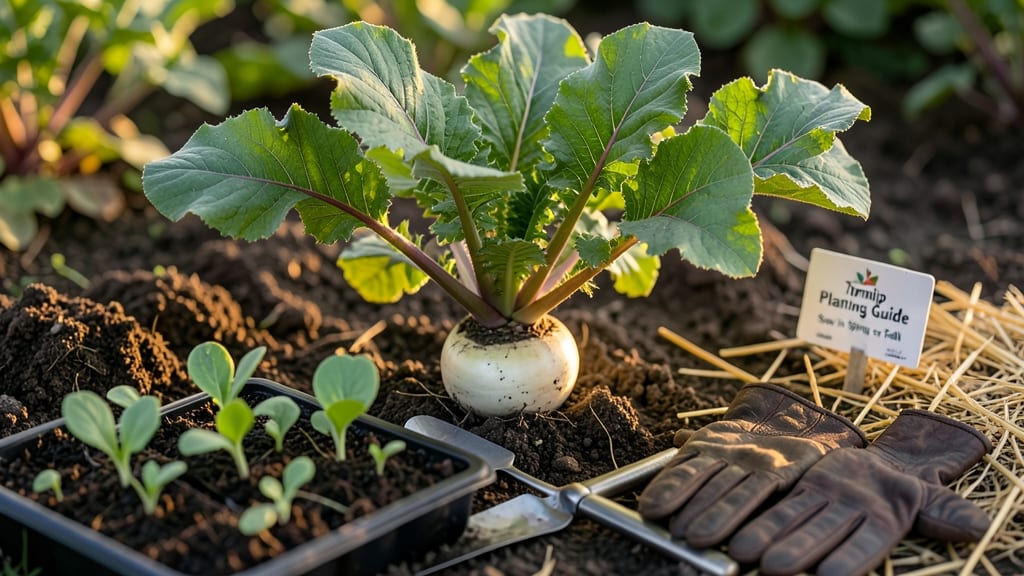
Planting turnips in Illinois at the right time means the difference between tender, sweet roots and bitter, woody failures.
Turnips thrive in Illinois’ cool climate—but planting them too early or late can mean bitter roots or stunted growth. Mastering the frost-free timeline for Zone 5b-6a ensures a bountiful harvest before summer heat sets in.
For spring plantings, aim for early March to mid-April, when soil temperatures reach 45°F and the last frost is 4-6 weeks away. Late summer plantings should go in by early August to mature before the first frost hits in October.
Below, I break down the exact frost dates by region, soil prep tips, and how to choose fast-maturing varieties that avoid bolting in Illinois’ short season.
Best planting windows for turnips in Illinois zones 5b-6a
Turnips are cool-season crops that thrive in Illinois’ Zone 5b-6a, but timing is everything. Plant too early, and frost will damage tender seedlings. Wait too long, and summer heat turns roots bitter or causes bolting.
The key is planting when soil temperatures hover between 40°F and 70°F, ensuring a harvest before the heat sets in.
In Illinois, gardeners have two prime planting windows: early spring (March-April) for a late spring harvest and late summer (July-August) for a fall harvest. The exact timing depends on your last frost date (typically mid-April) and first frost date (mid-October), giving you about 165 frost-free days to work with.
For spring planting, aim to sow seeds 4–6 weeks before your last frost date. In Zone 5b-6a, this typically means mid-March to early April.
Use row covers if early frosts linger to protect seedlings. Fast-maturing varieties like 'Tokyo Cross' (30 days) are ideal for quick harvests before summer heat arrives.
Fall planting offers a second chance for turnips. Start sowing 8–10 weeks before your first frost, which in Illinois usually means late July to early August.
This timing ensures roots mature before temperatures drop below 40°F. Choose heat-tolerant varieties like 'Hollow Crown' to avoid bolting in late summer.
Soil temperature is critical. Turnip seeds won’t germinate well below 40°F or above 80°F. Use a soil thermometer to monitor conditions. If soil is too cold, wait until temperatures stabilize. If too hot, opt for shade cloth or plant in partial shade until seedlings establish.
Succession planting every 2–3 weeks throughout spring and fall extends your harvest. For example, sow a new batch in early April, late April, and early May for a staggered harvest.
This strategy also prevents overcrowding, which leads to small, misshapen roots. Thin seedlings to 2–4 inches apart once they’re 2 inches tall.
Watch for bolting—when turnips flower prematurely—especially in late summer. Long daylight hours and warm nights trigger this. To prevent it, choose shorter-day varieties or use shade cloth to reduce light exposure. Harvest roots before they bolt, or focus on the greens, which remain edible.
Mulch with straw or grass clippings to retain soil moisture and regulate temperature. This is especially important in Zone 5b, where nights can still be chilly in May or September. Avoid organic mulches like fresh grass clippings, which can draw cutworms and other pests.
Plan your turnip harvest to coincide with cool, crisp days. Roots pulled on overcast mornings stay fresher longer. Store harvested turnips in the crisper drawer of your refrigerator for up to 2 weeks, or freeze them for extended storage. For greens, harvest young leaves continuously to encourage regrowth.
Experiment with companion planting to improve turnip growth. Pair them with lettuce, radishes, or beans, which deter pests like flea beetles. Avoid planting near potatoes or cabbage, as they compete for nutrients and attract similar pests.
With the right timing, your turnips will reward you with sweet, crisp roots all season long. 🥕
How to adjust turnip planting for Illinois microclimates
Illinois’ diverse microclimates—from Chicago’s urban heat islands to rural farmlands and low-lying river valleys—can shift turnip planting windows by 2-3 weeks. Urban gardens often experience 5-10°F warmer soil temperatures than rural areas, while low-lying spots may stay cooler longer.
Adjusting for these conditions ensures your turnips mature before summer heat or frost strikes.
Start by testing your soil temperature with a soil thermometer. Turnip seeds need 45°F+ soil to germinate, but urban areas may reach this threshold 1-2 weeks earlier than rural zones.
In elevated areas like northern Illinois, wait until late April to avoid frost damage, while southern Illinois can plant as early as mid-March.
⚠️ WARNING: Planting Too Early in Cold Microclimates ⚠️
In Zone 5b (northern IL), planting before April 15 risks seed rot. Use black plastic mulch to warm soil 5-7°F faster in these areas. Low-lying spots may need row covers to protect seedlings from unexpected late frosts.
Urban gardeners should avoid shady microclimates (e.g., between buildings) where turnips may bolt prematurely. Instead, choose south-facing beds with 6+ hours of sun.
For urban gardens, prioritize container planting on patios or rooftops. Use self-watering pots to maintain consistent moisture, as urban soils dry out faster. Add 2 inches of compost to containers to improve drainage and fertility.
Companion plant with lettuce or radishes to maximize space and deter pests like flea beetles.
Rural farmers with low-lying fields should plant turnips in raised beds to prevent waterlogging, which causes rot. Apply straw mulch after thinning seedlings to retain moisture and suppress weeds. In these areas, focus on fast-maturing varieties like 'Tokyo Cross' (30 days) to avoid summer heat stress.
Extend your harvest window by planting succession crops every 2 weeks from March to July. Use shade cloth (30-50%) in late summer to protect turnips from 90°F+ temperatures, which turn roots bitter. Pair turnips with onions or carrots to improve flavor and deter pests naturally.
In elevated microclimates (e.g., hilltops), turnips may mature 10-14 days faster than in valleys. Monitor soil moisture closely—these areas dry out quicker. Water deeply every 3-4 days and apply mulch immediately after planting to lock in moisture. Harvest roots when they reach 1-2 inches in diameter for the sweetest flavor.