Plants
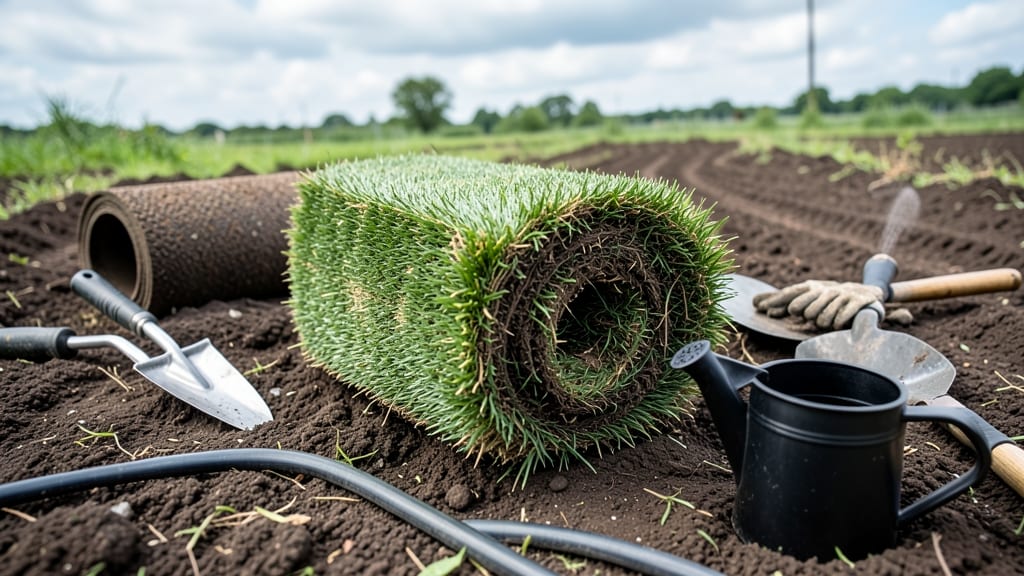
To plant St. Augustine sod in Texas at the right time means avoiding the brutal summer heat or the last frost’s lingering chill—both can kill your lawn before it even starts.
I’ve watched sod rolls curl up and die in 100°F+ heat within days, only to learn the hard way that timing is everything. Get it wrong, and you’re left with bare patches and wasted money.
Texas’ climate varies wildly from the Panhandle’s cooler springs to the Gulf Coast’s early starts, so there’s no one-size-fits-all answer. But there is a science to it—soil warmth, rainfall, and even humidity all play a role in whether your sod takes root or withers.
Below, I’ll break down the exact months to plant by region, plus the soil prep and care tricks that make the difference between a lawn that thrives and one that struggles.
Best months to plant St augustine sod in Texas by region
Texas's diverse climate means St. Augustine sod thrives best during specific windows depending on your region. In North Texas, cooler springs and hot summers demand precise timing, while South Texas offers longer growing seasons.
The key? Plant when soil temperatures stay above 60°F and avoid extreme heat or frost risks.
For Central Texas, the sweet spot lies between spring and early fall. My rule of thumb: March through May and September through October give your sod the best chance to establish deep roots before summer heat stress or winter dormancy kicks in.
Let’s break it down by region—because what works in El Paso won’t cut it in Houston. The comparison table below shows exact months, frost risks, and ideal soil conditions for each zone.
| Region | Best Planting Months | Soil Temp Requirement | Frost Risk | Rainfall Pattern |
|---|---|---|---|---|
| North Texas (USDA Zones 7b-8a) | March-April & September-October | 60°F+ (15°C+) | High risk Nov-Feb | Moderate spring rains |
| Central Texas (USDA Zones 8a-8b) | March-May & August-October | 65°F+ (18°C+) | Low risk Dec-Jan | Summer droughts common |
| South Texas (USDA Zones 9a-10a) | April-May & September-November | 70°F+ (21°C+) | Minimal risk | High humidity year-round |
In North Texas, I recommend planting St. Augustine sod in March-April or September-October to avoid early spring frosts or summer heatwaves. The soil temperature must stay above 60°F for roots to establish properly—any colder, and growth stalls.
For Central Texas, extend your window slightly with March-May and August-October plantings. The summer heat (June-August) can stress new sod, so aim for early fall to let roots strengthen before winter. My secret? Water deeply twice daily for the first 2 weeks to combat drought.
Down in South Texas, the climate is more forgiving. Plant in April-May or September-November when temperatures are ideal. The humidity helps retain moisture, but watch for fungal diseases like brown patch—keep mowing high (3-4 inches) to prevent stress.
Pro tip: Use a soil thermometer to confirm temperatures before planting. If your region experiences unpredictable frosts (like North Texas), opt for fall planting—it gives sod time to root before winter dormancy sets in.
Remember, St. Augustine sod is a warm-season grass, so it hates cold. If you’re in Zone 7b or colder, avoid planting after October 15th—roots won’t have time to harden off before frost.
For shade-tolerant varieties like ‘Floratam,’ adjust timing slightly later (May-June) to avoid heat stress during peak summer months. Always check your local USDA zone for fine-tuning!
Finally, avoid planting in summer—the intense Texas sun and heat can scorch new sod before roots establish. Stick to the spring and fall windows, and your lawn will thank you with deep green growth all year.
How soil temperature and weather affect St augustine sod success
St. Augustine sod thrives when soil temperatures hover between 60°F and 85°F. Below 60°F, roots grow sluggishly, and above 90°F, heat stress causes sod to dry out or develop brown patches.
My Texas lawn nearly failed last summer because I planted in late May—by June, the sod was curling like a fried egg.
Texas’ unpredictable weather adds another layer. Sudden 100°F+ heat waves or prolonged droughts can derail even the best-laid plans. I’ve seen sod rolls shipped in April wilt within 48 hours if temperatures spike early. The key? Plant when soil warmth aligns with rainfall—not just air temperature.
Here’s the critical breakdown of how to read your soil’s signals and adjust planting for success:
- Soil temp must stay above 60°F—use a soil thermometer (6" deep) to confirm. Below 60°F = roots stall.
- Rainfall timing matters most—plant during spring showers (April-May) or fall humidity (Sept-Oct) to avoid drought stress.
- Heat stress hits fast—if temps exceed 90°F for 3+ days, sod needs daily deep watering (1" per week).
- Adjust planting dates if forecasts show unusual heat—shift to early spring (March) or late fall (Nov).
- Mulch helps regulate temps—apply 2-3" of straw mulch after planting to retain moisture and cool roots.
In North Texas, aim for April planting when soil warms to 65°F+. The Gulf Coast can start earlier (March) but must avoid hurricane season (June-Nov) delays.
I once planted in early April in Houston—only for a late frost to hit, killing new growth. Always check local frost dates.
Even with perfect timing, weather surprises happen. If a drought warning pops up, water sod twice daily (morning/evening) until rain returns. I’ve saved lawns this way—consistent moisture beats heat stress. Use a rain gauge to track weekly totals; sod needs 1-1.5" per week during establishment.
Pro tip: Test soil moisture before planting. Stick your finger 2-3" deep—if it’s dry, delay planting until rainfall arrives. I’ve wasted sod rolls because the ground was bone-dry in May. Patience here saves money and heartache.
When in doubt, plant in fall (Sept-Oct). Cooler temps and higher humidity give sod a fighting chance. My 2022 fall sod took root in 3 weeks—spring plantings took twice as long. The weather works with you in autumn.