
Plants
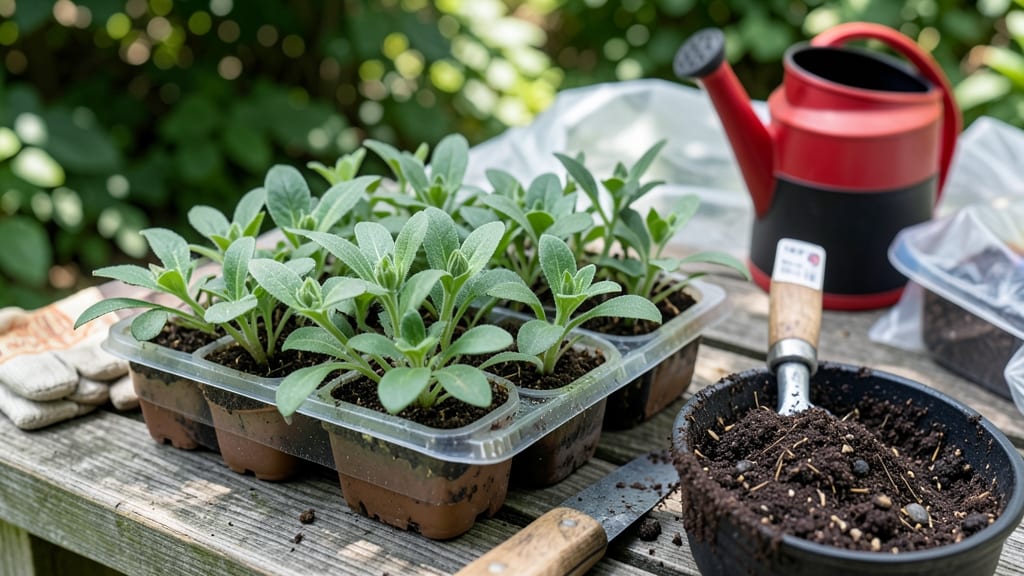
Plant snapdragons in Zone 9 during September-October or February-March to avoid the brutal summer heat while catching the cooler months when they thrive 🌸.
If you’ve ever watched snapdragons bolt into seed pods by mid-June, you know timing is everything. Zone 9’s warm winters and long summers make this tricky—plant too early, and they’ll fry; too late, and you miss the bloom window entirely.
Here’s the secret: snapdragons love the 60-75°F range, which in Zone 9 means focusing on fall and early spring. We’ll break down the exact weeks, how to prep your soil, and which varieties handle the heat best—so you can enjoy those cheerful blooms from November through May.
Ready to grow snapdragons that last? I’ll show you how to time it right, whether you’re starting seeds indoors or sowing directly, plus how to stretch your season with a few clever tricks.
Optimal planting windows for snapdragons in Zone 9: avoiding heat stress
Zone 9 gardeners know the struggle: snapdragons love cool weather, but our warm winters and intense summers can turn their blooms into crispy memories. The secret? Planting during cooler transitions—fall, winter, and early spring—when temperatures stay below 80°F during the day.
This timing lets snapdragons establish roots before summer’s heat arrives, ensuring vibrant, long-lasting flowers instead of wilted stalks.
Timing is everything in Zone 9. Plant too early (like in late summer), and your snapdragons will bolt prematurely or struggle with heat stress. Plant too late (like in late spring), and you’ll miss the fall bloom cycle entirely.
The ideal windows? September-October for fall blooms and February-March for spring blooms. These months give your plants 6-8 weeks to grow before summer’s peak heat arrives.
Microclimates in Zone 9 add another layer. Coastal areas (like Malibu or San Diego) stay cooler longer, while inland zones (like Phoenix or Palm Springs) heat up faster.
In coastal regions, you can push planting to late October for winter blooms, but inland gardeners should aim for early September to avoid summer stress. Always check your local last frost date—even in Zone 9, light frosts can occur in December.
Here’s how to match your location to the perfect planting window:
| Planting Window | Best For | Temperature Threshold | Bloom Time | Microclimate Notes |
|---|---|---|---|---|
| Late August - Early September | Fall blooms | Daytime 85°F max, nighttime 60-70°F | November - December | Inland Zone 9: Plant by mid-August; coastal areas can wait until early September. |
| September - October | Fall/winter blooms | Daytime 75-80°F max, nighttime 55-65°F | October - January | Coastal Zone 9: Ideal for late October plantings; inland areas may need shade cloth. |
| February - March | Spring blooms | Daytime 70-75°F max, nighttime 50-60°F | April - May | Avoid planting after mid-March in inland areas; coastal zones can extend to early April. |
| Avoid Summer Planting | N/A | Daytime 90°F+ causes heat stress | Poor survival | If you must plant in summer, use shade cloth and daily watering. |
For fall plantings, start seeds indoors 6-8 weeks before your target outdoor date. Use grow lights if natural light is limited, and harden off seedlings for 7-10 days before transplanting.
In Zone 9, this means late July to early August for indoor starts if you’re aiming for a September outdoor move. Seedlings need consistent moisture and cool temperatures (65-70°F) to avoid leggy growth.
If you’re planting in winter or early spring, focus on soil preparation. Zone 9 soils can compact or dry out quickly, so amend with compost or aged manure to improve drainage and fertility.
Add a 2-3 inch mulch layer (straw or shredded bark) to retain moisture and regulate soil temperature. This is especially critical in inland microclimates, where winter nights can drop below 50°F and stress young plants.
Pro tip: Use succession planting to extend your snapdragon season. Plant a small batch every 2-3 weeks from September through November. This staggered approach ensures continuous blooms from fall through early spring, even in Zone 9’s mild winters.
Just be sure to deadhead spent flowers to encourage new buds and prolong the display.
Watch for heat stress signs like yellowing leaves, wilting, or buds that refuse to open. If temperatures creep above 85°F during the day, provide afternoon shade with a 30-50% shade cloth or plant near taller crops.
Coastal gardeners can often skip this step, thanks to marine layer cooling, but inland areas will need extra protection.
With the right timing, your snapdragons will reward you with bold colors and long stems
Snapdragon varieties that thrive in Zone 9’s extended growing season
Zone 9’s mild winters and hot summers make snapdragons a rewarding challenge if you choose the right heat-tolerant varieties. Unlike traditional snapdragons that bolt in summer heat, these drought-resistant types thrive with proper timing and care.
My top picks for continuous blooms include 'Matrix,' 'Rocket,' and 'Triumph'—each with unique color palettes and growth habits perfect for Southern California gardens.
For fall planting, start seeds indoors 8-10 weeks before your first frost (typically mid-September for most Zone 9 regions). This gives seedlings time to establish roots before cooler temperatures arrive.
In coastal areas, you can push planting slightly later due to milder microclimates, while inland zones should plant earlier to avoid heat stress.
When to Plant Snapdragons in Zone 9
- Fall Planting: Start seeds indoors September 1-15 for transplanting October 1-15. Blooms appear by November-December.
- Winter Planting: Direct sow December 1-15 for early spring blooms (February-March).
- Spring Planting: Start seeds indoors February 1-15 for outdoor transplanting March 15-April 1.
- Succession Planting: Sow every 4-6 weeks from September to March for continuous blooms.
- Avoid Summer: Never plant seeds or seedlings May-September due to heat stress.
My favorite heat-tolerant snapdragon varieties for Zone 9 include 'Matrix' series (compact, 12-18 inches tall) with vibrant colors like hot pink, orange, and yellow. For taller displays, 'Rocket' series reaches 24-30 inches and thrives in partial shade during peak summer afternoons.
The 'Triumph' series offers deep reds and purples and handles drier soils better than traditional types.
To extend your snapdragon season, practice succession planting by staggering sowings every 3-4 weeks from September through March. This ensures fresh blooms appear just as previous batches fade.
For example, plant one batch in early September for November blooms, then another in late October for December flowers, and continue this pattern through winter.
Always provide afternoon shade during summer months, even for heat-tolerant varieties. Use lightweight shade cloth (30-50%) or plant near deciduous trees that drop leaves in fall. Mulch heavily with 2-3 inches of organic matter to retain moisture and regulate soil temperatures—critical in Zone 9’s hot, dry summers.
With these variety-specific strategies, you’ll enjoy snapdragons from fall through spring, even in the most challenging Zone 9 microclimates. The key is timing, shade, and succession planting—not just choosing the right flowers. 🌸