
Plants
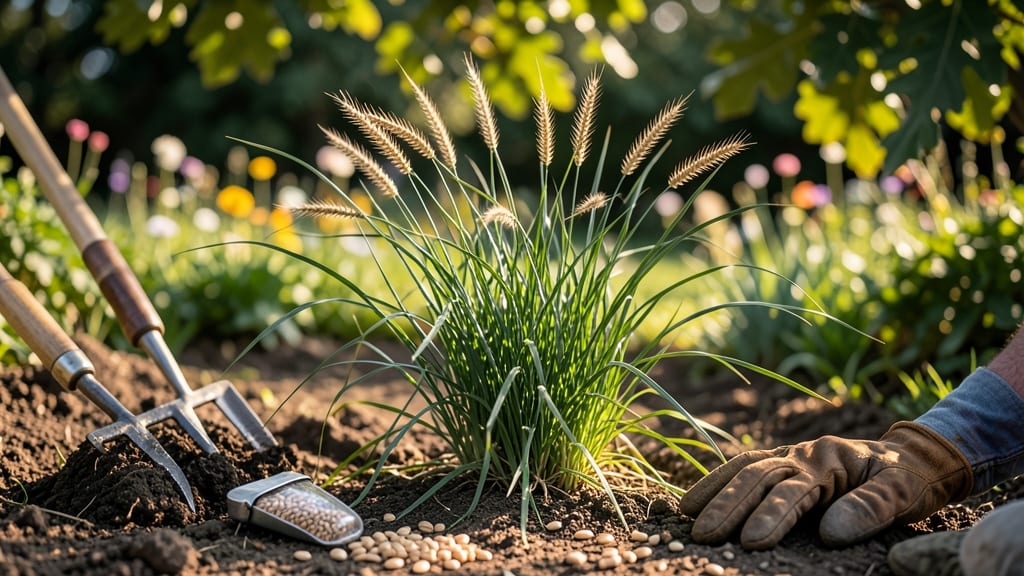
Planting rye grass in Georgia means timing it right to beat the heat or frost—aim for late summer to early fall or early spring when soil temps are just right for germination.
Georgia’s warm winters and humid summers create a unique challenge for planting 🌾 rye grass—timing is everything to avoid heat stress or frost damage. Get the exact frost-free window by month to ensure a lush, thriving lawn all season long.
If you’ve ever seeded rye grass only to watch it wilt under summer heat or struggle through a late frost, you know how critical the right window is. The key? Planting when soil temperatures hover between 55°F and 70°F—too hot, and seeds won’t germinate; too cold, and they’ll rot.
Below, I’ll break down the best months for your Georgia zone, soil prep tips to lock in moisture, and how to adjust for microclimates—whether you’re in the mountains or near the coast.
Best months to plant rye grass in Georgia by climate Zone
Planting rye grass in Georgia requires careful timing due to the state’s diverse climate zones and unpredictable frost patterns. In North Georgia (Zones 7a-8a), cooler temperatures and earlier frosts demand a different approach than in Central/South Georgia (Zones 8a-9a), where mild winters allow for extended growing seasons.
I’ll break down the optimal planting windows for each region, including soil temperature guidelines and frost-free dates to maximize your rye grass success.
For North Georgia, the ideal planting window is from late August to early October, giving seeds time to establish before the first frost, typically around mid-November. In Central/South Georgia, you can extend planting until late October due to later frost dates, often around early December.
Both regions also allow for spring planting in March, but fall is generally preferred for winter cover benefits.
Soil temperature plays a critical role in rye grass germination. Seeds germinate best when soil temperatures are between 50°F and 70°F. In North Georgia, soil temps drop below this range by late October, while Central/South Georgia maintains warmer soils until November.
Always check soil temps with a soil thermometer before planting to ensure optimal conditions.
In North Georgia, where frosts arrive earlier, focus on late August to early September planting to ensure seeds germinate before temperatures drop. Use a light mulch to retain soil warmth and protect young seedlings.
For Central Georgia, you have a bit more flexibility—planting through mid-October is safe, but avoid waiting too long, as soil temperatures will drop below the 50°F threshold by November.
For South Georgia, the extended frost-free season means you can plant rye grass as late as late October. This region benefits from warmer winters, allowing the grass to establish more robustly before dormancy.
However, always monitor weekly weather forecasts for unexpected cold snaps, especially in Zone 8a areas near the coast.
If you miss the fall window, spring planting in March is your next best option. However, spring-planted rye grass won’t provide the same winter cover benefits as fall plantings. For best results, prioritize fall seeding and use spring planting only if necessary.
Always test your soil pH (ideal range: 6.0-7.0) and amend with compost or lime if needed before planting.
One common mistake I see is planting rye grass too early in July or August, when summer heat can stress young seedlings. Wait until late August to avoid this issue.
Another tip: lightly rake the soil before seeding to create a fine, loose surface for better seed-to-soil contact. This small step can double your germination rates in Georgia’s clay-heavy soils.
After planting, maintain consistent moisture for the first 3-4 weeks to encourage root establishment. Water deeply in the morning to reduce evaporation and fungal risks. Once established, rye grass is drought-tolerant but thrives with regular watering during dry spells.
In North Georgia, reduce watering in late fall to harden off plants before winter.
For maximum winter cover benefits, aim to have your rye grass reach 4-6 inches tall before the first frost. This provides the best erosion control and soil protection during Georgia’s mild winters. If you’re in a coastal area, you may even see some overwintering growth before spring.
How to adjust planting time for Georgia’s microclimates
Georgia’s diverse geography means planting times vary dramatically between the Blue Ridge Mountains and coastal areas like Savannah. In high-altitude zones like Zone 7a, cooler temperatures allow for earlier fall planting and later spring options.
Meanwhile, coastal regions in Zone 9a face longer frost-free seasons, requiring adjustments to avoid summer heat stress.
For mountain regions, aim to plant rye grass in late August to take advantage of cooler soil temperatures. Coastal areas should delay until September or early October to prevent seedling stress from lingering summer heat. These timing differences directly impact germination rates and overwintering success.
⚠️ callout-warning ⚠️
Coastal areas: Avoid planting after October 15—humidity increases fungal risks. Mountain regions: Don’t delay past September 15 or face early frost damage. Both require 4-6 weeks to establish before winter.
Shade tolerance also shifts with elevation. In mountain microclimates, rye grass can handle partial shade better due to cooler temperatures, while coastal areas need full sun exposure for optimal growth. Test your site’s sunlight with a sunlight meter—coastal lawns need 6+ hours of direct sun daily.
Drought resistance becomes critical in coastal regions where summer heat persists. Choose annual ryegrass varieties like 'Marshall' for better heat tolerance. Mountain areas can handle perennial types like 'Great Plains', which thrive in cooler, wetter conditions.
Fall planting offers cooler soil temperatures and reduced weed competition, but spring planting in mountain zones can work if seeded by early March. Coastal gardeners should wait until late March to avoid heat stress. Always check soil temperatures—ideal germination occurs at 50-65°F.
Adjust your watering schedule based on location: mountain areas need consistent moisture during establishment, while coastal lawns may require deep watering every 5-7 days in summer. Mulch with straw to retain moisture in both climates—just avoid thick layers that smother seedlings.