
Plants
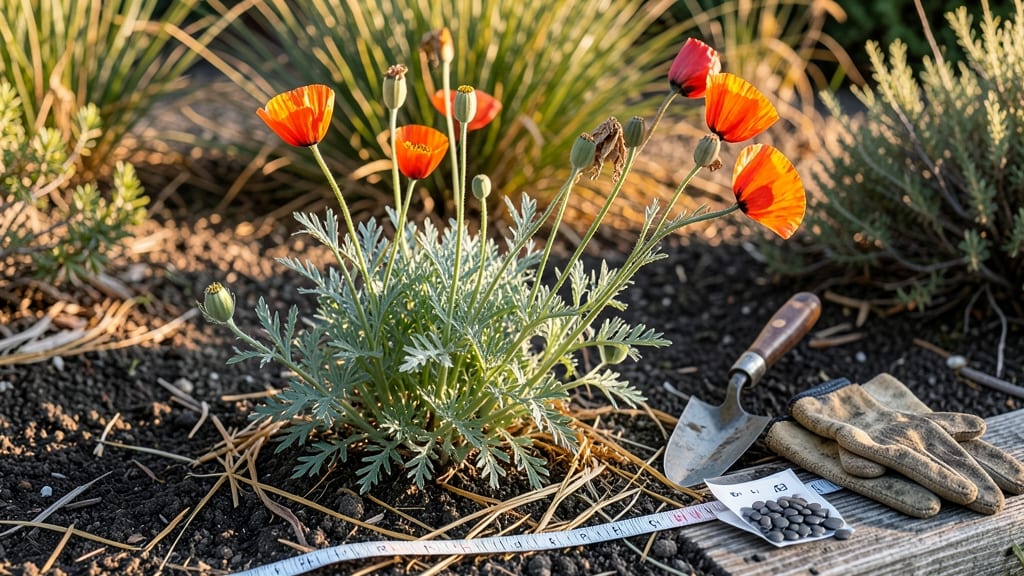
Planting poppies in Oregon between late August and October ensures vibrant blooms that greet spring with bold color 🌸—just in time for your garden’s showstopper moment.
Oregon’s mild winters and long growing season create the perfect stage for poppies—but timing is everything to ensure those vibrant blooms appear when you want them.
Get the exact planting schedule for USDA Zones 7b-8b, plus pro tips to maximize your poppy garden’s impact, whether you’re in Portland’s rainy climate or Medford’s dry hills.
From choosing the right variety to adjusting for Oregon’s microclimates, you’ll discover how to turn your garden into a poppy paradise—without the guesswork.
Best planting months for Oregon poppies by variety (zone 7b-8b guide)
Oregon’s USDA Zones 7b-8b offer a unique growing window for poppies, where cool winters and mild springs create ideal conditions. Unlike many flowers, poppies thrive when planted in late summer or early fall, allowing them to establish roots before winter dormancy.
The key is understanding each variety’s growth cycle and frost sensitivity—annuals, biennials, and perennials all have different timing needs.
For annual poppies like California poppies (Eschscholzia californica) and Icelandic poppies (Papaver nudicaule), the best planting window is August through early October. These varieties germinate quickly in warm soil (60-70°F) and bloom by spring, making them perfect for Oregon’s dry summers.
In contrast, biennial poppies like Oriental poppies (Papaver orientale) need fall planting to establish roots before winter, blooming in their second year.
| Variety | Planting Window | Ideal Soil Temp (°F) | Frost Consideration | Bloom Time |
|---|---|---|---|---|
| California Poppy (Annual) | Late Aug - Early Oct | 60-70°F | Tolerates light frost | Spring (Apr-Jun) |
| Icelandic Poppy (Annual) | Mid-Aug - Late Sep | 55-65°F | Cold-hardy to 20°F | Late Spring (May-Jun) |
| Oriental Poppy (Biennial) | Late Sep - Oct | 50-60°F | Needs winter chill | Summer (Jun-Jul) |
| Meadow Poppy (Perennial) | Late Aug - Sep | 60-75°F | Drought-tolerant | Spring-Fall (Apr-Oct) |
In Western Oregon (e.g., Portland), where wetter conditions prevail, aim to plant annual poppies by mid-September to avoid excessive rainfall that can rot seeds. Use well-draining soil and consider raised beds if your garden holds moisture.
For Eastern Oregon (e.g., Bend or Pendleton), where summers are hotter and drier, extend planting into early October to take advantage of cooler fall soil temps.
Perennial poppies like meadow poppy (Papaver rhoeas) are the most flexible—they self-seed readily and tolerate poor soil and drought. For these varieties, late August planting gives them time to establish before winter, while spring blooms will appear the following year.
If you’re in a cooler microclimate (e.g., Mount Hood area), delay planting until September to avoid early frost damage.
One common mistake is planting poppies too early in spring. While they’ll germinate, the heat of summer
How to adjust planting time for Oregon’s rainy season and wildfire zones
Oregon’s diverse climate—from the rain-soaked west to the wildfire-prone east—demands smart adjustments to your poppy planting schedule. In Western Oregon, where winters are damp and springs soggy, timing matters to avoid seed rot and slug damage.
Meanwhile, gardeners in Eastern Oregon must adapt to dry conditions by sowing earlier to beat summer drought. Let’s break down how to thrive in both extremes.
For Western Oregon’s (e.g., Portland, Eugene), the key is delaying spring plantings until after the heaviest rains subside—typically mid-March to early April. Poppy seeds sown too early in saturated soil risk rotting or becoming a buffet for slugs and snails.
Instead, aim for late August to October for fall-blooming varieties, giving seeds time to establish before winter rains hit.
⚠️ CALLOUT WARNING ⚠️
In rainy zones, protect poppy seeds with row covers or diatomaceous earth to deter slugs. For eroded soil, mix compost into beds to improve drainage and prevent seed washout. Elevate seed trays or use mulch rings around seedlings.
In Eastern Oregon’s (e.g., Bend, La Grande) wildfire zones, focus on early fall sowing—July to early September—to ensure roots establish before summer’s intense heat.
Choose drought-tolerant varieties like California poppies, which thrive with minimal water once established. Always water deeply in the early morning to reduce evaporation and fungal risks.
For both regions, test soil moisture before planting. Stick your finger 2 inches deep—if it’s damp but not soggy, it’s safe to sow. In wildfire-prone areas, clear flammable debris from garden edges and use gravel mulch to create firebreaks.
Poppies’ drought-resistant roots make them ideal for these zones once established.
Pro tip: Stagger your plantings by 2-3 weeks to extend blooms. In Western Oregon, start with biennial poppies in early fall for spring blooms. In Eastern Oregon, prioritize annual poppies sown in late summer to avoid winter die-off.
Always label your rows—Oregon’s unpredictable weather can shift your schedule faster than expected!
With these adjustments, your poppies will thrive despite Oregon’s extremes, whether you’re battling slugs in the Willamette Valley or drought in the high desert. Happy planting—your garden’s bold blooms are worth the effort! 🌸