
Plants
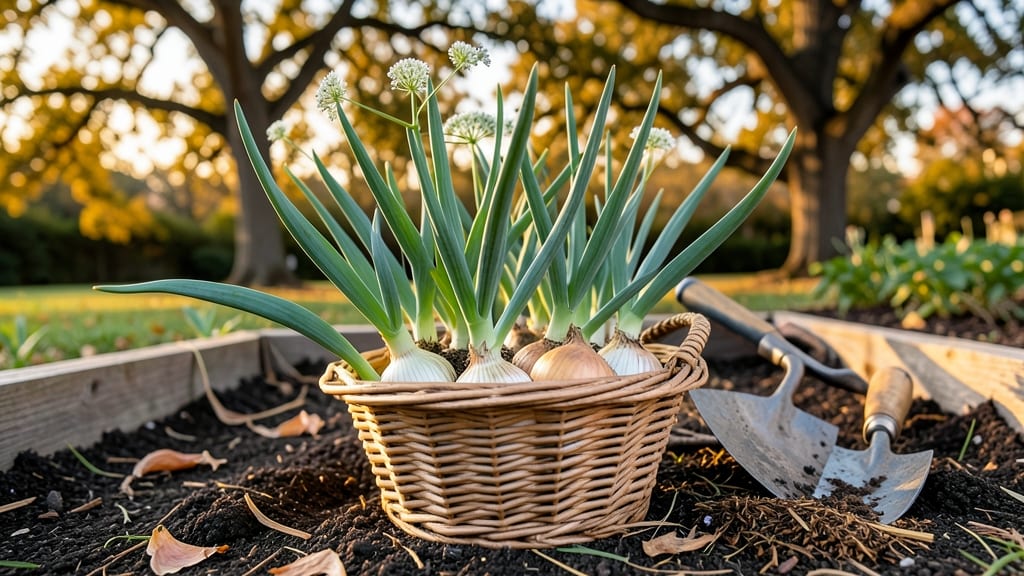
Planting onions in Houston demands precision—aim for September to October for fall or January to February for spring to dodge the heat and avoid bolting.
If you’ve ever watched your onions bolt in Houston’s unpredictable spring heat, you know timing is everything—plant too early, and you risk waste; too late, and you miss the harvest.
Houston’s mild winters and scorching summers mean onions need a head start. Fall planting gives bulbs time to mature before the heat arrives, while spring sets must go in early to avoid premature flowering.
Below, I’ll break down the exact months to plant, soil prep tips for Houston’s clay-heavy dirt, and the best onion varieties that thrive here—so you can enjoy a zero-bolt harvest.
Houston’s ideal onion planting months to prevent bolting
Houston’s USDA Zone 9a climate creates a unique challenge for onion growers. Unlike cooler regions, onions here bolt prematurely when exposed to consistent temperatures above 75°F.
The key to success? Planting during two precise windows—fall and early spring—when temperatures stay mild enough to prevent bolting while still allowing bulb development.
Most gardeners in Houston make the mistake of planting too late in spring, only to watch their onions send up flower stalks before forming bulbs. The science is clear: onions need cool soil temperatures (60-65°F) for bulb formation, but not freezing conditions.
Houston’s fall planting window (October–November) and early spring window (January–February) strike this perfect balance.
Here’s why these months work best: Fall-planted onions experience Houston’s cooler winter temperatures while avoiding the intense summer heat. Spring-planted onions get a head start before temperatures rise. Both strategies ensure your onions focus on bulb development rather than flowering.
🌱
For fall planting, aim to get onions in the ground 4-6 weeks before Houston’s first frost (typically mid-December). This gives them enough time to establish roots before winter slows growth.
I recommend short-day onion varieties like ‘Texas Early White’ or ‘Yellow Granex’—they’re bred to handle Houston’s mild winters and still produce sweet bulbs.
If you prefer spring onions, plant in January or early February while soil temperatures remain cool. By late February, Houston’s heat starts to ramp up, and onions planted after this window will likely bolt.
For spring plantings, try long-day varieties like ‘Candy’ or ‘Red Baron’ to maximize bulb size before summer arrives.
One common mistake I see is planting onions too early in fall. While Houston rarely gets frost, cool soil temperatures below 50°F can stunt growth. Always check soil temps with a thermometer—60°F is the magic number for consistent germination and bulb formation.
If your soil runs cooler, wait a week or two before planting.
💧
Houston’s high humidity and occasional summer rains can also affect onion growth. After planting, maintain consistent moisture—about 1 inch of water per week—but avoid waterlogging, which causes rot. Mulching with straw or shredded leaves helps retain moisture and keeps soil temps stable, reducing bolting risks during heat spikes.
Finally, remember that onion sets (small bulbs) are easier to plant than seeds in Houston’s climate. Sets give you a 4-6 week head start on growth, meaning you can plant them slightly later in the fall window (up to early December) and still avoid bolting.
For seeds, start them indoors 8-10 weeks before your target planting date to harden off transplants before moving them outside.
With these Houston-specific timing tips, you’ll avoid the heartbreak of bolting onions and enjoy a bountiful harvest twice a year—once in spring and again in fall. The secret? Plant early, stay consistent, and let Houston’s mild climate work in your favor. 🧅
How Houston’s microclimates affect onion planting timing
Houston’s humidity and urban heat islands create microclimates that can shift your ideal onion planting window by 2-4 weeks. What works in west Houston’s cooler pockets won’t suit east Houston’s sweltering streets. Understanding these variations lets you avoid bolting and maximize bulb size—critical for Houston’s 90°F+ summers.
Your neighborhood’s soil warmth and shade patterns play starring roles. Urban areas like Downtown or The Heights stay 5-10°F warmer than suburban zones like Katy or Cypress.
This means onions planted at the same time in both locations will experience completely different growth stresses. Let’s break down how to adjust your timing.
Houston’s humidity levels also demand adjustments. Areas like Pearland with 80%+ humidity can cause onions to rot before bulbing if planted too late. Use raised beds in these zones to improve drainage and extend your planting window by 10 days.
For spring planting, urban heat islands reverse the trend. Downtown soils warm up 2 weeks earlier than Katy, so plant late January instead of February. Monitor soil temps—aim for 55°F+ before sowing to prevent slow germination.
Pro tip: Use shade cloth over newly planted sets in hot microclimates (like Memorial) to reduce stress. This buys you 1-2 extra weeks before removing it. Pair this with drip irrigation to keep soil consistently moist—critical in Houston’s unpredictable rain patterns. 🌱