Plants
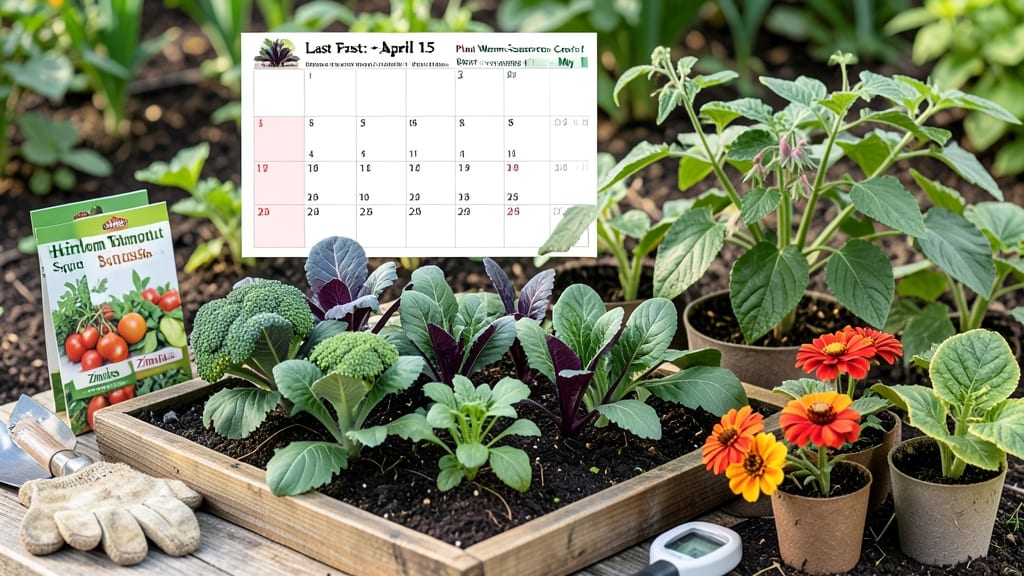
Planting in Tennessee at the right time means the difference between a garden that thrives and one that struggles — and your zone matters more than you might think.
Tennessee’s climate shifts dramatically from the humid valleys of East Tennessee to the drier plains of West Tennessee, with frost dates that can vary by weeks. Get it wrong, and you’ll either watch seedlings freeze or wilt in the heat before they even set fruit.
The key isn’t just knowing the calendar—it’s reading your local microclimate.
Whether you’re planting cool-season crops like peas in early spring or heat-lovers like tomatoes after the last frost, timing is everything. Below, I break down the zone-specific schedule for Tennessee’s 6a-7b regions, plus the tweaks you’ll need for urban heat islands, mountain slopes, or river valleys.
You’ll learn exactly when to start seeds indoors, when to transplant outdoors, and how to stretch your growing season with row covers or cold frames — no more guessing, just peak yields all year.
Tennessee planting zones: what you need to know before scheduling
Tennessee spans USDA Plant Hardiness Zones 5a through 8a, creating dramatic differences in planting windows across just a few hours' drive. In Zone 5a (eastern highlands), gardeners face 180 frost-free days, while Zone 8a (western Memphis area) enjoys 240 frost-free days.
These zones dictate whether you can grow tomatoes year-round or need frost blankets for peppers.
Your planting success hinges on understanding three key regions: East Tennessee's cooler highlands, Middle Tennessee's transitional zones, and West Tennessee's extended growing season.
Each has distinct last frost dates—from April 15 in Knoxville to March 20 in Memphis—that determine when to plant warm-season crops like squash or cool-season greens like spinach.
Why zones matter: A Zone 6b garden in Nashville can safely plant cucumbers May 1, while a Zone 5a garden in Bristol must wait until May 15 to avoid frost damage. Even perennial flowers like black-eyed Susans need zone-appropriate timing for winter survival.
For Zone 5a gardeners in the Appalachian foothills, cool-season crops like kale can start in late February under row covers, while Zone 8a gardeners in Memphis can plant southern peas as early as February 15.
This 10-week difference means your neighbor's tomato harvest might be yours in July instead of June.
Soil temperature matters just as much as air temperature. Warm-season crops like squash need soil at 60°F+, while cool-season crops like carrots thrive in 50°F soil. Use a soil thermometer—especially in Zone 6a—where spring soil warms 2 weeks slower than air temperatures suggest.
Microclimates add another layer. Urban Nashville (Zone 7a) might have 5°F warmer microclimates than nearby rural areas, letting you plant peppers 10 days earlier. Similarly, valley gardens in East Tennessee can enjoy 20 extra frost-free days compared to mountaintops just miles away.
Don't forget fall planting: In Zone 7b, you can sow spinach until September 15, while Zone 5a gardeners must finish by August 1. This month-long window determines whether you'll have winter greens or bare soil.
Pro tip: Use frost dates as your guide, not calendar months. Check your local cooperative extension office for 5-year averages—they'll show you when to plant onions (which need 120 frost-free days) versus radishes (just 45 days).
Remember, Zone 6b is Tennessee's most common zone—covering Nashville, Chattanooga, and Murfreesboro. Here, tomatoes planted May 1 will outperform those planted April 15 by 30% due to heat stress. Timing truly is everything in Tennessee gardening! 🌱
Best month-by-month planting schedule for Tennessee gardens
Tennessee’s climate varies dramatically from its mountainous east to its humid west, making a one-size-fits-all planting schedule impossible. Zone 5a in the highlands has a shorter growing season, while Zone 8a in the western valleys enjoys extended warmth.
To succeed, align your planting with soil temperatures, frost dates, and moisture levels—not just the calendar. For example, cool-season crops like lettuce thrive in March, while heat-lovers such as okra need to wait until May.
Start by marking your last frost date (typically mid-April in most of TN) and your first frost date (mid-October in Zone 5, later in Zone 7+). Use this as your anchor. Succession planting is key—sow fast-growing crops like radishes every 2 weeks for continuous harvests.
Meanwhile, perennials and bulbs should be planted in early fall or late winter to establish strong roots before spring growth.
- March: Plant cool-season veggies (spinach, peas, carrots) and early flowers (pansies, snapdragons). Soil temps should reach 40°F+.
- April: Transplant tomatoes, peppers, and broccoli after last frost. Start warm-season herbs (basil, cilantro) indoors.
- May: Sow heat-tolerant crops (sweet potatoes, okra, southern peas). Mulch to retain moisture as temps rise.
- June-August: Focus on succession planting (beans, cucumbers, zucchini). Deadhead annual flowers for continuous blooms.
- September: Plant fall kale, Brussels sprouts, and garlic. Extend season with row covers for frost-sensitive plants.
- October-November: Sow winter rye or cover crops. Plant spring-blooming bulbs (tulips, daffodils) for next year.
Don’t overlook herbs like rosemary and thyme—they thrive in Tennessee’s heat once established. Native perennials such as black-eyed Susans and coneflowers are low-maintenance and attract pollinators year-round. For vegetable gardens, prioritize soil health by amending beds with compost before planting.
A simple soil test in early spring reveals pH imbalances that can stunt growth.
Adjust your schedule for microclimates. Urban areas like Nashville run 5–10°F warmer than rural zones, delaying frost. In the Smoky Mountains, plant 2 weeks later than the valley floors.
Use shade cloth for heat-sensitive crops in summer, and cold frames to extend fall harvests. For instance, leafy greens can grow until November in Zone 7 with protection.
Plan for pests and diseases too. Tennessee’s humidity favors fungal issues like powdery mildew, so space plants for airflow. Rotate crops yearly to prevent soil-borne diseases. Interplanting (e.g., basil with tomatoes) deters pests naturally.
By following this schedule, you’ll avoid the heartbreak of bolting lettuce or blighted tomatoes—common mistakes when timing is off.
Remember, Tennessee gardens reward patience. Spring planting sets the stage for summer abundance, while fall prep ensures next year’s success. Start small, keep notes, and tweak your approach yearly. Before you know it, your garden will mirror the state’s beauty—diverse, resilient, and full of life. 🌱