
Plants
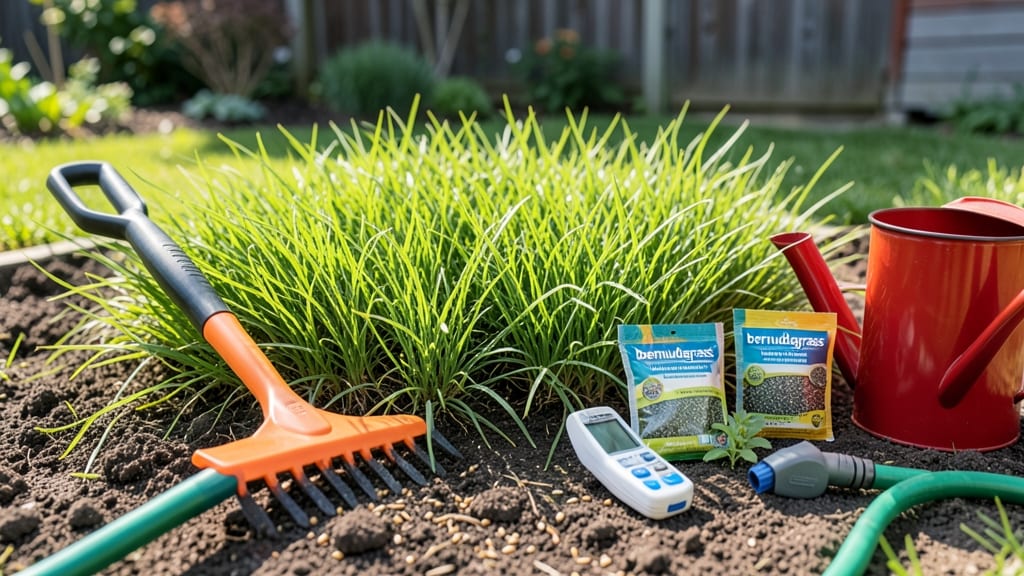
Planting grass seed in San Antonio at the right time means the difference between a fast-growing, heat-resistant lawn and a struggle against the Texas sun.
Struggling to get your San Antonio lawn to thrive? Planting grass seed at the wrong time can lead to slow germination, weak growth, or even failure—especially in Texas’ brutal heat. But timing it right ensures fast, lush grass that resists the summer sun.
In USDA zones 8a-9a, the ideal windows are late summer to early fall (September–October) and late winter (February), when soil stays cool and rainfall supports new growth. This is when most grass types—like Bermuda, St. Augustine, and Zoysia—take root quickly and establish before the heat peaks.
Below, I’ll break down the exact months to aim for, how to prep your soil for maximum success, and the 3 mistakes that kill grass seed in San Antonio’s climate—so you can skip the guesswork and get a lawn that stays green all year.
Best months to plant grass seed in San Antonio for fast germination
San Antonio’s hot summers and mild winters create two ideal windows for planting grass seed: fall and spring. These seasons offer cooler soil temperatures, consistent rainfall, and reduced stress on young grass. Planting outside these windows risks slow germination or seed failure due to extreme heat or drought.
In my experience, September through November is the golden window for planting cool-season grasses like Tall Fescue or Ryegrass. Meanwhile, March and April are perfect for warm-season varieties like Bermuda or Zoysia, which thrive in San Antonio’s heat once established.
Let’s break down why these months work best and what to expect.
Fall planting in September–November gives grass seeds the perfect balance of moisture and moderate temperatures. San Antonio’s average rainfall peaks in these months, reducing the need for supplemental watering. Plus, cooler nights help seeds stay hydrated longer, leading to faster germination and stronger root systems before winter sets in.
For warm-season grasses like Bermuda or Zoysia, March–April is ideal because the soil warms up just enough to kickstart growth without the intense summer heat.
Planting too early in spring risks freeze damage if late cold snaps hit, while planting too late means battling drought conditions as temperatures rise.
If you’re planting cool-season grasses like Tall Fescue, aim for mid-September to give seeds time to establish before winter dormancy. Avoid planting in December or January, as cold soil and limited sunlight slow germination to a crawl.
Similarly, warm-season grasses should never be planted in summer—the heat will bake seeds before they sprout.
One common mistake I see is planting in May or June, thinking the weather is warm enough. But soil temperatures often exceed 85°F, causing seeds to dry out or fail to germinate. Instead, wait until late spring when soil temps drop below 80°F for safer planting.
To maximize success, always test your soil temperature before planting. Use a soil thermometer to ensure it’s between 60°F and 75°F—the sweet spot for most grass seeds. Pair this with regular watering (about 1 inch per week) to keep the soil consistently moist but not soggy.
Finally, choose grass types that match San Antonio’s climate. Bermuda and Zoysia dominate local lawns for their heat tolerance, while Tall Fescue thrives in cooler months. Mixing varieties can create a year-round green lawn, but timing remains critical for each type’s success.
With the right timing, your San Antonio lawn can go from bare patches to lush green in just a few weeks. Start planning now—whether you’re seeding in fall’s gentle rains or spring’s warming sun, the key is acting before the heat or cold sets in.
How to prepare your San Antonio lawn for grass seed planting
San Antonio’s clay-heavy soil and intense summer heat make proper lawn prep the key to successful grass seed germination. Without the right preparation, seeds may struggle to establish roots, leading to patchy growth or failure.
The secret lies in soil testing, aeration, and creating ideal moisture conditions before planting.
Start by testing your soil’s pH level and nutrient content—San Antonio’s alkaline soil often needs adjustment to a 6.0–7.0 pH for optimal grass growth. Use a soil test kit (available at local garden centers) to check these levels 2–3 weeks before planting.
If your soil is too alkaline, apply sulfur or peat moss to lower the pH gradually.
Step-by-Step Lawn Prep for Grass Seed
-
Step 1: Clear Debris
Remove all weeds, rocks, and dead grass from your lawn using a rake or dethatching tool. This ensures seeds make direct contact with the soil. -
Step 2: Aerate the Soil
Rent a core aerator to create 1/2-inch deep holes every 2–3 inches. This breaks up compacted clay soil and improves water and nutrient absorption. -
Step 3: Test and Amend Soil
Adjust pH levels (aim for 6.0–7.0) and add compost or organic matter (like peat moss) to improve drainage and fertility. -
Step 4: Level the Soil
Fill low spots with a mix of topsoil and sand (20% sand helps with clay soil drainage). Use a lawn roller to create a smooth, even surface. -
Step 5: Set Up Irrigation
Install a soaker hose or sprinkler system to deliver 1/4 inch of water daily for the first 2 weeks post-planting. Water in the early morning to reduce evaporation. -
Step 6: Apply Pre-Emergent Herbicide (Optional)
If weeds are a concern, apply a pre-emergent herbicide 2 weeks before planting to prevent weed seeds from germinating alongside your grass.
After prepping your soil, spread a starter fertilizer with a high phosphorus content (e.g., 5-10-10) to encourage root development. This step is critical in San Antonio’s climate, where drought stress can quickly stunt young grass. Lightly rake the fertilizer into the top 1/4 inch of soil to ensure even distribution.
Finally, cover the seeds with a thin layer of straw mulch (not wood chips) to protect them from bird damage and retain moisture. Straw also helps regulate soil temperature, which is especially important during San Antonio’s hot springs or cool falls.
Keep the area moist but not soggy—overwatering can lead to fungal diseases like brown patch.
With these steps completed, your lawn will be ready for grass seed planting, giving your new grass the best chance to establish strong roots before the next Texas heatwave hits. 🌱