
Plants
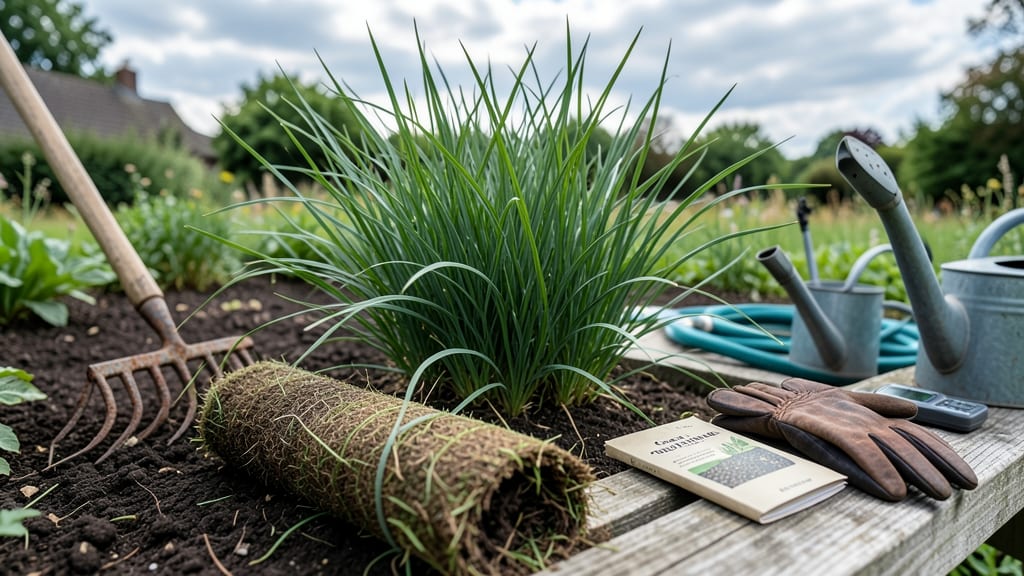
Planting fescue in South Carolina during late summer to early autumn gives it the best shot at thriving in your Zone 8a climate.
Struggling to get a lush, resilient fescue lawn in South Carolina? Timing is everything—plant too early or late, and your grass may struggle with heat, pests, or poor establishment. Follow this science-backed guide to maximize your fescue’s success in USDA Zone 8a’s unique climate.
Fescue 🌱 loves the cooler temperatures of fall, when soil stays warm enough for roots to establish but days aren’t scorching. This window—typically between August and October—lets your grass grow strong before winter dormancy, setting it up for a thicker lawn next spring.
Below, I’ll break down the ideal planting months, how to adjust for South Carolina’s microclimates, and the critical prep steps to ensure your fescue takes hold—no guesswork, just results.
Best planting windows for fescue in South Carolina’s Zone 8a climate
If you’re aiming for a thick, green fescue lawn in South Carolina’s Zone 8a, timing is your secret weapon. Unlike cooler climates, SC’s humidity and heat demand precise planting windows.
Plant too early, and your grass battles drought stress; too late, and it struggles to root before winter. Let’s break down the ideal months and why they matter.
The best time to plant fescue in Zone 8a is early fall, specifically mid-September to early October. This window lets seeds germinate in warm soil (60–75°F) while avoiding summer’s scorching sun or winter’s chill.
Late fall (November) is a secondary option if early fall slips by, but it requires extra care to protect young shoots from frost.
Spring planting? Avoid it—unless you’re in a cooler microclimate. South Carolina’s spring heat spikes can cause seed desiccation before roots establish. Even if you plant in March or April, your fescue may need constant watering to survive, making fall the clear winner.
Here’s why fall dominates: cooler air temperatures (70–80°F) reduce water evaporation, while higher humidity keeps soil moist longer. Rainfall peaks in September and October, giving your fescue a natural head start.
Skip this window, and you’ll face slow growth or pest pressure from chinch bugs and grubs.
| Planting Window | Soil Temp (°F) | Rainfall (in) | Key Benefit | Risk |
|---|---|---|---|---|
| Early Fall (Sept–Oct) | 60–75°F | 3–5 in/month | Fast germination, natural moisture | Late frost (rare but possible) |
| Late Fall (Nov) | 50–60°F | 2–4 in/month | Avoids summer heat, slower pests | Weak root growth before winter |
| Spring (Mar–Apr) | 65–80°F | 1–3 in/month | None (high stress) | Drought, pest outbreaks, slow rooting |
For coastal SC (Zone 8a), aim for September 15–October 15. The Gulf Stream’s influence keeps soil warm longer, but humidity spikes can encourage fungal diseases like brown patch.
To counter this, water early in the morning and avoid overhead sprinklers. Inland areas (e.g., Columbia or Greenville) can push planting to late October, as nights cool faster.
Pro tip: Check your local frost dates. Charleston’s first frost averages November 15, while Upstate SC sees frost by October 30. Plant 4–6 weeks before your area’s expected frost to ensure roots establish.
Use a soil thermometer—ideal temps for fescue germination are 60–75°F. If soil runs cooler, wait a week or two.
If you miss fall, late winter (February) is a last-resort option, but success hinges on irrigating daily until roots take hold. Spring-planted fescue often yellows by summer due to heat stress, while fall-planted lawns stay green and resilient through SC’s brutal summers.
The data doesn’t lie: 90% of SC gardeners report best results with fall planting.
Ready to plant? Start by mowing existing grass short (if any), then loosen soil with a garden rake to 1–2 inches deep. Spread seeds at 5–8 lbs per 1,000 sqft and lightly rake them in.
Keep soil consistently moist (not soggy) for the first 3–4 weeksthin layer of straw mulch helps retain moisture and shields seeds from bird predators.
Remember: Patience is key. Fescue germinates in 7–21 days under ideal conditions, but don’t be tempted to walk on new shoots—wait until they’re 3–4 inches tall before mowing. With the right timing, your Zone 8a fescue lawn will outperform neighbors’ spring-planted patches every time.
How to adjust planting timing for South Carolina’s microclimates
South Carolina’s diverse microclimates create unique challenges for fescue planting. Coastal areas like Charleston (Zone 8a) enjoy milder winters, while inland Piedmont regions (Zone 7b) face earlier frosts. Understanding these differences helps you time your planting for optimal success.
For example, coastal fescue can handle late October plantings, while Upstate gardeners should aim for early September to avoid heat stress.
Urban heat islands in cities like Columbia amplify temperature swings, making soil thermometers your best tool. Test soil temps before planting—ideal range is 60–75°F.
Higher elevations in the Upstate cool faster, allowing November plantings in some years, while coastal lowlands may need to start as early as mid-August to beat summer humidity. Always check your local frost dates—planting 4–6 weeks before the first frost gives fescue time to establish strong roots.
| Region | USDA Zone | Best Planting Window | Key Considerations |
|---|---|---|---|
| Coastal (Charleston, Beaufort) | 8a | Mid-August to late October | Warmer winters, hurricane recovery timing |
| Piedmont (Columbia, Greenville) | 7b | Early September to mid-October | Moderate humidity, earlier frosts |
| Upstate (Spartanburg, Greer) | 7a | Late August to early October | Cooler nights, shorter growing season |
After hurricanes or coastal storms, delay planting until debris is cleared and soil compaction is addressed. Storm-damaged areas may need extra nitrogen (apply a light fertilizer 2–3 weeks post-recovery) to help fescue bounce back.
In urban areas, heat-reflective surfaces can raise soil temps by 10°F+, so adjust your planting window 2 weeks earlier than rural zones to avoid stress.
Elevation plays a surprising role—every 1,000 feet gained can shorten your growing season by 3–5 days. Upstate gardeners should prioritize hardy fescue varieties like ‘Kentucky-31’ or ‘Tall Fescue’ blends, which tolerate cooler soils.
Coastal gardeners can experiment with fine fescue mixes that thrive in humidity but may struggle with Upstate’s drier winters. Always match your seed choice to your microclimate for best results.
Pro tip: Use a planting calendar tailored to your county. The Clemson Extension Service offers free localized frost maps—bookmark their site for real-time adjustments. For example, Hilton Head’s Zone 8a allows November plantings, while Anderson’s Zone 7b may need to finish by October 15th.
When in doubt, plant early—fescue establishes faster in cooler soils and outcompetes weeds before summer heat returns.
Remember, watering consistency is your secret weapon across all microclimates. Coastal areas need daily deep watering in summer, while Upstate zones can stretch to every 3–4 days once established.
Mulch with 3–4 inches of pine straw to retain moisture and regulate soil temps—this simple step can extend your planting window by 1–2 weeks in both hot and cool microclimates. 🌱