
Flowers
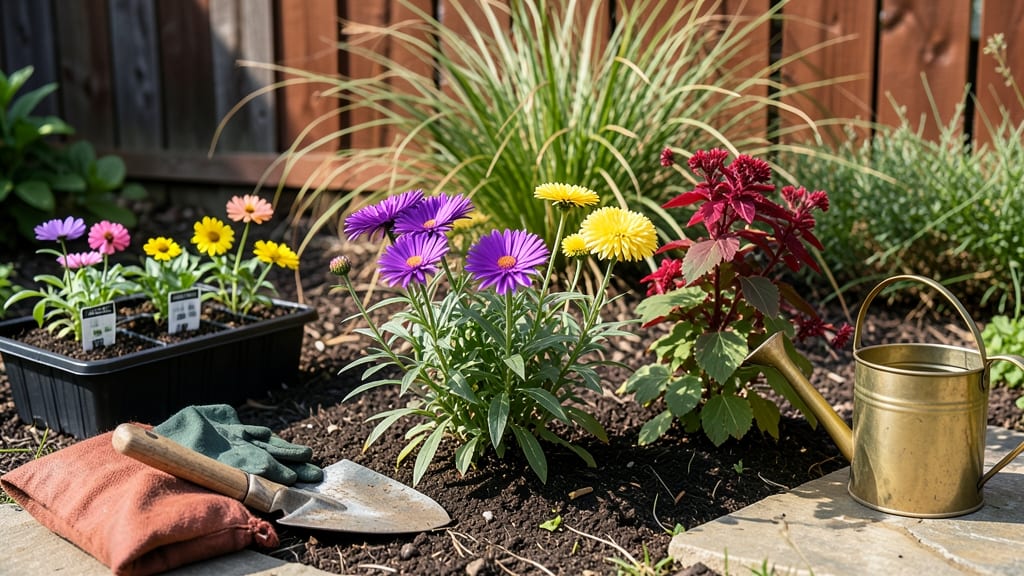
Planting fall flowers in Georgia between mid-August and mid-October sets you up for a stunning garden that thrives before winter sets in.
Georgia’s mild autumn weather creates the perfect window for planting fall flowers—but timing is everything. Plant too early, and you’ll risk frost damage; too late, and your blooms may miss their prime season.
In zones 7b-8b, the key is to get those 🌼 planted 6-8 weeks before the first frost (usually mid-November). That means starting in late summer for chrysanthemums, pansies, and asters that will keep blooming until winter’s chill.
Below, I’ll break down the best planting dates by zone, the top flowers for Georgia’s climate, and how to stretch your blooms into December—without losing them to frost.
Georgia’s USDA zones & the ideal planting timeline for fall flowers
Georgia’s diverse USDA zones (7a-8b) create unique microclimates for fall planting. The key is timing—plant too early, and early frosts (as early as mid-November in Zone 7a) can damage tender blooms.
Too late, and your flowers may not establish roots before winter dormancy. Let’s break down the perfect planting windows for each zone to maximize vibrant fall color.
In Zone 7a (northern Georgia), the last frost date typically falls around November 15.
This means your planting window is shorter—aim to get fall flowers in the ground by mid-September for robust root growth before winter. Zone 7b gardeners have slightly more flexibility, with a last frost around November 22, allowing for planting through early October.
For Zone 8a (central Georgia), the last frost date extends to December 1, giving you a longer window to plant.
Start as early as late August for heat-loving varieties like salvia or celosia, but focus on September-October for classic fall favorites like chrysanthemums and asters. Zone 8b gardeners in southern Georgia can even plant some cold-hardy annuals into early November.
⚠️ CRITICAL RULE: Always plant 6-8 weeks before the first frost in your zone. This ensures flowers have time to establish roots and bloom before winter. Use a frost date calculator (like the Old Farmer’s Almanac) to pinpoint your local cutoff.
Here’s your zone-by-zone planting timeline, including frost risk analysis and the best flowers for each region:
| USDA Zone | Planting Window | Last Frost Date | Best Flowers | Frost Risk |
|---|---|---|---|---|
| 7a | Mid-August to Mid-September | Mid-November | Chrysanthemums, Pansies, Ornamental Kale, Salvia | High (early frosts common) |
| 7b | Late August to Early October | Late November | Asters, Snapdragons, Sweet Alyssum, Mums | Moderate (frosts possible late Nov) |
| 8a | Late August to Mid-October | Early December | Zinnias, Marigolds, Petunias, Coreopsis | Low (frosts rare before Dec) |
| 8b | Late August to Early November | Mid-December | Pansies, Violas, Sweet William, Dusty Miller | Very Low (frosts rare before Jan) |
In Zone 7a, prioritize cold-hardy annuals like pansies and ornamental kale, which can tolerate light frosts. These plants thrive in cooler weather and often rebloom in spring.
For Zone 8a and 8b, you can experiment with tender perennials like salvia or coreopsis, which may survive mild winters with mulch protection.
Pro tip: Use mulch (2-3 inches) after planting to insulate roots and retain moisture. In Zone 7a, add a lightweight row cover in late October to shield delicate blooms from unexpected frosts. For Zone 8b, mulch alone is often sufficient to protect winter-hardy pansies.
If you’re in Zone 7a or 7b, avoid planting heat-loving flowers like geraniums or impatiens after mid-September. These varieties struggle in cooler temps and may fail to bloom before winter. Instead, opt for cool-season flowers that thrive in 50-65°F temperatures, such as asters or snapdragons.
For Zone 8a and 8b, you can push the envelope slightly. Plant zinnias or marigolds in late September for late-season color, but be prepared to cover them if temperatures dip below 30°F.
These flowers add bright pops of color and attract pollinators right up until the first frost.
Always check the back of seed packets for days-to-maturity guidelines. For example, chrysanthemums typically need 60-90 days to bloom,
Top 5 fall flowers for Georgia gardens & their planting secrets
Georgia’s fall blooms thrive with the right timing and care. From chrysanthemums to ornamental kale, these top 5 flowers deliver color until winter’s first frost. Let’s dive into their planting secrets to ensure vibrant displays all season.
For maximum blooms, focus on soil prep and spacing. Most fall flowers prefer well-draining soil with a pH of 6.0–7.0. Amend clay-heavy Georgia soil with compost or peat moss for better aeration. Chrysanthemums and asters love full sun, while pansies tolerate partial shade.
When to Plant Fall Flowers in Georgia
| Planting Window | Pros | Cons |
|---|---|---|
| Mid-August to Early September | ✅ Early blooms, full root establishment | ❌ Risk of late-summer heat stress if planted too early |
| Late September to Mid-October | ✅ Ideal frost-free window, strong root growth | ❌ Limited time for late-season blooms if planted too late |
| Early November (hardy varieties only) | ✅ Winter interest with ornamental kale or pansies | ❌ High frost risk; only for cold-hardy plants |
🌱 Pro Tip: Always check your USDA zone (7a–8b in Georgia) for last frost dates.
Chrysanthemums are the star of fall gardens, offering hundreds of varieties in every color. Plant them 6–8 weeks before frost (late August–early September) for long-lasting blooms. Space them 12–18 inches apart in full sun and fertilize lightly with a 10-10-10 blend every 4–6 weeks.
Pansies and violas thrive in cooler weather, making them perfect for late fall planting. They tolerate partial shade and light frosts, blooming until winter. Plant them 10–12 inches apart and deadhead spent flowers to encourage new blooms. Mulch with straw to protect roots from temperature swings.
Ornamental kale and cabbage add bold foliage color to fall gardens. These cold-hardy plants can be planted until mid-October in Georgia. Space them 12–18 inches apart in full sun to partial shade. Their ruffled leaves stay vibrant even in light frost, making them a low-maintenance choice.
For extended blooms, mix annuals and perennials. Marigolds deter pests and bloom until frost, while asters add late-season color. Water deeply once a week after planting, then reduce frequency as temperatures drop. Mulch heavily to retain moisture and insulate roots.
With these planting secrets, your Georgia garden will burst with color from September through December. Experiment with combinations—like chrysanthemums with pansies—for a show-stopping fall display. Happy planting! 🌼