
Plants
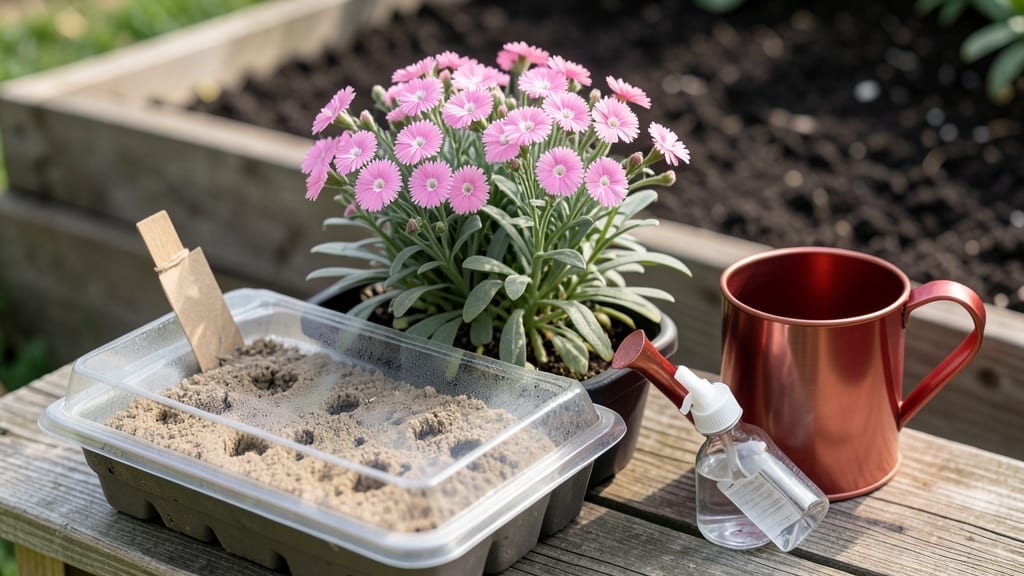
Planting dianthus seeds in Australia during spring or early autumn gives them the best shot at thriving 🌸, but the exact timing depends on whether you’re coastal or inland.
Timing your dianthus seeds incorrectly could mean the difference between vibrant blooms and wasted effort—especially in Australia’s diverse climates. Get the coastal vs inland planting schedule right to ensure your sweet Williams and carnations thrive year-round.
In coastal regions like Sydney or Brisbane, where frost is rare, you can start seeds as early as August or wait until February for a second planting window. Inland areas, though, face harsher conditions, so adjusting for heat and cold is key.
Below, I’ll break down the exact months to plant, soil prep tips, and whether to start indoors or outdoors—so you can enjoy those cheerful blooms all season long.
Best months to plant dianthus seeds in Australia’s coastal regions
Australia’s coastal regions—think Sydney, Perth, and Brisbane—offer a unique gardening advantage: mild winters and humidity-friendly summers. Unlike inland areas, coastal zones rarely face frost, giving you a longer planting window for dianthus seeds.
But timing still matters—plant too early, and summer heat can stress seedlings; too late, and you miss the ideal spring growth spurt. Let’s break down the perfect months to sow these fragrant beauties.
Dianthus thrives in USDA Zones 10-11 along Australia’s coasts, where soil temps stay warm year-round. Your best bet is to start seeds in late winter to early spring (August–October) or early autumn (February–March).
These windows align with natural rainfall patterns and avoid the peak summer heat that can scorch young seedlings. Coastal humidity also means you’ll need to monitor for powdery mildew—a common issue in damp conditions.
Here’s how the ideal planting months compare across Australia’s major coastal cities, accounting for local microclimates:
For coastal gardeners, August and September are the gold standard months to plant dianthus seeds. This timing ensures seedlings establish roots before summer’s intensity peaks.
In Brisbane, where humidity is higher, I recommend sowing in June–July to take advantage of the cooler, wetter season—just be prepared to move pots to a shadier spot as temperatures rise.
If you’re in Perth, where summers can be brutally hot, start seeds indoors in February and transplant outdoors in March. This gives seedlings a head start before the December–February heatwave.
Always test soil moisture before watering—coastal soils can dry out faster than you think during southerly breezes.
One mistake I see often is planting dianthus seeds too late in autumn. By May, days are shortening, and seedlings may not get enough light to thrive. Stick to the February–March window for autumn sowing, or opt for established plants from nurseries to skip the seedling stage entirely.
This is especially useful for sweet Williams varieties, which bloom faster when started as cuttings.
Pro tip: Mix sand into your potting soil to improve drainage—coastal humidity can lead to root rot if water pools around seeds. I also recommend using seedling trays with drainage holes and placing them in a semi-shaded spot (like under a 30% shade cloth) for the first 2–3 weeks.
This hardens off seedlings and reduces stress from direct sun.
Once your dianthus seedlings reach 3–4 inches tall, they’re ready for their forever home in the garden. Space them 12–18 inches apart to allow airflow, which is critical in humid coastal climates.
Mulch with gravel or pine bark to keep roots cool and reduce weeds—this is a game-changer for low-maintenance blooms.
Remember, coastal dianthus plants reward patience. With the right timing, you’ll enjoy continuous blooms from spring to autumn, with minimal fuss. And if you live near the coast, you might even spot native dianthus varieties growing wild—take notes from nature for your own garden!
🌸
Inland Australia dianthus planting schedule: heat and frost considerations
Inland Australia’s extreme temperature swings—from scorching summers to chilly winters—make timing critical for dianthus seeds. Unlike coastal regions, inland areas like Melbourne, Adelaide, and Canberra face frost risks in winter and heat stress in summer, demanding a staggered approach to maximize blooms.
For inland gardeners, the ideal planting window shifts to late winter to early spring (August–September) and early autumn (February–March). This schedule avoids frost damage to young seedlings while escaping peak summer heat, which can stunt growth or cause seedling death.
⚠️ callout warning
- Planting too early (June–July) risks frost damage to tender seedlings.
- Sowing in summer (December–February) exposes seeds to heat stress and poor germination.
- Skipping soil prep—inland soils often lack organic matter, slowing seedling growth.
To extend your blooming season, consider a second planting in late autumn (April–May). This batch matures just in time for spring blooms, while your first planting provides summer color. Choose heat-tolerant varieties like Dianthus barbatus (sweet Williams) for inland conditions—they handle dry heat better than delicate carnations.
Protect young plants with mulch or shade cloth during heatwaves (30°C+/86°F+). A 2–3 inch layer of straw mulch retains moisture and insulates roots from soil temperature spikes. For frost-prone areas, cover seedlings with fleece blankets or hollow plastic bottles (cut in half) on cold nights (below 5°C/41°F).
Water deeply but infrequently—inland dianthus hate wet feet. Aim for 1–2 cups per plant every 5–7 days, soaking the root zone rather than surface watering. Early morning watering reduces evaporation and prevents fungal diseases like powdery mildew, common in humid inland summers.
With these adjustments, your inland dianthus can thrive year-round, offering continuous color from spring through autumn. The key? Staggered plantings, protective measures, and adapting to local microclimates. Happy gardening! 🌸