
Plants
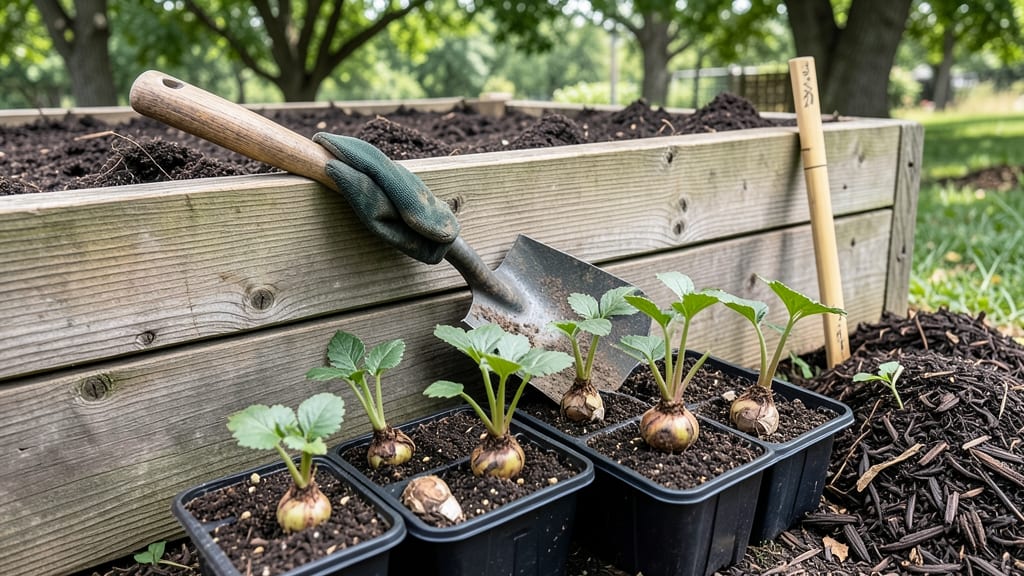
Plant dahlias in Illinois after your last frost date — typically between late April and mid-May — when soil temperatures hit 60°F for consistent growth.
Timing is everything when growing dahlias in Illinois—plant too early and risk frost damage, too late and miss peak blooms. Follow these exact dates to maximize your garden's stunning color display in USDA Zones 5b-6a.
Chicago's cooler microclimate may push your window closer to May 1, while southern Illinois gardeners can start as early as April 20. The key is waiting for warm soil, not just air temperatures.
Below, I’ll break down the best planting windows by region, how to prep your soil, and whether starting tubers indoors gives you an edge in Illinois’ short growing season.
Best planting dates for dahlias in Illinois by frost risk
Timing your dahlias perfectly in Illinois means avoiding late spring frosts while giving plants enough time to establish before summer heat arrives.
In USDA Zones 5b-6a, your last frost date typically falls between April 15 and May 1, but this varies by region—northern Illinois (Zone 5b) faces frost risks longer than southern Illinois (Zone 6a).
For optimal blooms, aim to plant dahlias 4-6 weeks after your last frost when soil temperatures consistently reach 60°F (15°C). This usually lands between late April and mid-May for most of Illinois, but early varieties can tolerate slightly cooler soils.
Heat-tolerant varieties like 'Café au Lait' or 'Bishop' handle warmer conditions better if you're in a hurry.
Here’s a quick reference for Illinois gardeners:
If you miss the spring window, don’t despair—late plantings in June can still succeed, especially with heat-tolerant varieties. However, expect blooms to start later in the season.
For the earliest flowers, start tubers indoors in March and transplant outdoors after frost risk passes. Use grow lights if your indoor space is cool.
Pro tip: Test your soil temperature with a soil thermometer before planting. Dahlias thrive in warm soil, and cooler temperatures can stunt growth. If your soil hasn’t warmed enough, cover it with black plastic mulch for a week to speed up the process.
This is especially helpful in northern Illinois where soils warm more slowly.
For extended blooming, choose early, mid, and late-season varieties to stagger your planting. For example, plant 'Gallery Pink' (early) in early May, 'Café au Lait' (mid) in mid-May, and 'Thomas Edison' (late) in late May.
This ensures continuous color from July through October, even if Illinois’ first frost arrives early.
Remember, dahlias are tender perennials in Illinois, meaning their tubers must be dug up and stored indoors before winter. Plan your planting dates with this in mind—aim to have tubers established by mid-June to maximize their growing season and give them time to bulk up before dormancy.
Finally, keep an eye on your local frost forecast. Websites like the Midwestern Regional Climate Center provide real-time updates. If a late frost is predicted after you’ve planted, cover your dahlias with frost cloth or a lightweight blanket to protect emerging shoots.
A little extra care now means stunning blooms later in the season! 🌼
How to extend dahlias' growing season in Illinois' short summers
Illinois' short summers mean dahlias need extra protection to bloom until fall's first frost. With the right strategies, you can extend their growing season by 4-6 weeks, giving you stunning flowers well into October.
The key lies in mulching, cold frames, and smart companion planting to shield tender tubers from late-season chill.
Start with mulching—a 3-4 inch layer of straw or shredded leaves around your dahlias keeps soil temperatures stable and insulates roots. This simple step can delay frost damage by 10-14 days. Pair it with row covers on cooler nights for even better protection without sacrificing airflow.
🌱 5 Proven Ways to Extend Dahlias' Season
- Use black plastic mulch to warm soil by 10°F and delay frost damage
- Install mini cold frames over plants after mid-September to trap heat
- Plant companion plants like marigolds to deter pests and improve soil health
- Apply late-season fertilizer with low nitrogen to harden tubers before frost
- Harvest tubers early (after first frost) and store in cool, dark conditions
For maximum protection, consider using mini cold frames or low tunnels over your dahlias starting in late September. These create microclimates that can extend blooming by 2-3 weeks.
Choose clear plastic or glass covers to allow sunlight while trapping warmth. Just remember to ventilate during warm days to prevent overheating.
Companion planting is another game-changer. Pair dahlias with marigolds or nasturtiums to deter pests like slugs and aphids, which thrive in Illinois' humid summers. These companions also improve soil structure, helping dahlias absorb nutrients more efficiently during their extended growing period.
Don't forget about late-season care. Reduce watering gradually in October to prepare plants for dormancy, but keep soil moist enough to prevent stress. Apply a light feeding of phosphorus-rich fertilizer in early fall to encourage root development before frost. This helps tubers store more energy for next year's growth.
When the first frost finally arrives, don't rush to dig up your dahlias. Wait until 2-3 weeks after frost when foliage has completely died back. Then carefully lift tubers, cut back stems to 2 inches, and store them in cool, dry conditions until spring.
With these strategies, you'll enjoy dahlias 30% longer than the average Illinois gardener!