
Companion Plants
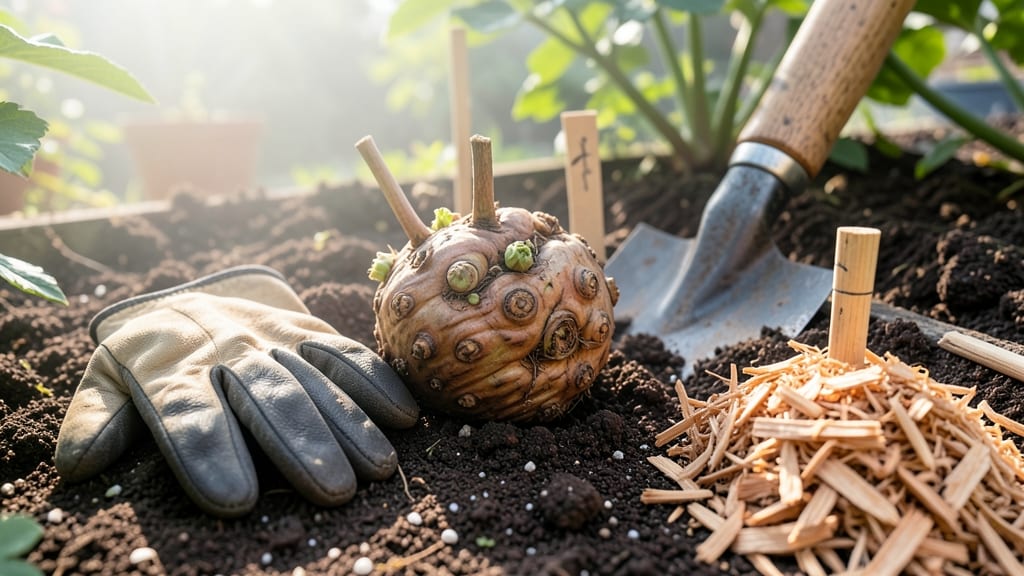
To plant dahlias in California, timing depends on your microclimate—coastal gardeners aim for March–May, while desert zones start in November–January when winter rains soften the soil.
California’s diverse microclimates—from coastal fog to desert heat—mean planting dahlias at the wrong time can spell disaster for your blooms. Get the exact months to plant for your region, plus pro tips to ensure vibrant, long-lasting flowers.
Most gardeners wait until soil temperatures hit 60°F, a critical threshold for tuber growth. Coastal areas like USDA Zone 9b can start earlier, while inland deserts (Zone 10a) often wait until after the first winter rains.
Below, I’ll break down the best planting windows by region, soil prep secrets, and whether to start from tubers or seeds—so you can grow show-stopping dahlias 🌼 all season long.
California’s 5 microclimate zones & their ideal dahlia planting months
California’s diverse microclimates create unique challenges for dahlia growers. Coastal areas stay cool year-round, while inland deserts can bake at 100°F+. Each zone has specific planting windows to ensure your dahlias thrive. Let’s break down the 5 key regions and their perfect timing for planting these stunning blooms.
Dahlias hate frost—even a light freeze can kill tender tubers. Most of California avoids frost, but high-elevation zones (like the Sierra foothills) can see chilly nights.
The USDA zones 9-10 cover most of the state, but microclimates within these zones demand precise timing. Here’s how to align your planting with your local conditions.
🌱 SUMMARY TABLE
| Microclimate Zone | USDA Zone | Ideal Planting Months | Soil Temp Threshold | Key Considerations |
|---|---|---|---|---|
| Coastal (San Francisco, Santa Barbara) | 9b-10a | March–April | 60°F+ | Fog delays warming; test soil before planting. |
| Central Valley (Sacramento, Fresno) | 9a-10b | April–May | 65°F+ | Hot summers; mulch heavily to retain moisture. |
| Desert (Palm Springs, Joshua Tree) | 10a-11 | November–January | 55°F+ | Plant in winter rains; avoid summer heat. |
| High Elevation (Lake Tahoe, Mammoth) | 7b-8a | May–June | 50°F+ | Short growing season; use row covers for frost. |
| Central Coast (Monterey, Santa Cruz) | 9a-9b | March–April | 62°F+ | Moderate climate; watch for coastal winds. |
For coastal gardeners in San Francisco or Santa Barbara, aim for March-April planting. These areas stay cool longer, so wait until the soil reaches 60°F—use a soil thermometer to check.
The foggy marine layer can delay warming, so don’t rush. Start tubers indoors in February if you’re eager to see blooms earlier.
Inland Central Valley zones like Sacramento and Fresno heat up faster. Plant dahlias in April-May when soil hits 65°F. The intense summer sun means you’ll need to water deeply—1-2 gallons per plant—and mulch to lock in moisture. Dwarf varieties handle heat better than towering types.
Desert regions like Palm Springs and Joshua Tree are unique: dahlias thrive in winter. Plant tubers in November-January when temperatures dip and winter rains soak the soil. Avoid planting in summer—the heat will shock tubers. Shade cloth can help if you must plant in late spring.
High-elevation areas like Lake Tahoe or Mammoth have shorter seasons. Wait until May-June when soil warms to 50°F. These zones risk late frosts, so use row covers or plant in containers for flexibility. Choose early-blooming varieties like ‘Café au Lait’ to maximize your short season.
The Central Coast, including Monterey and Santa Cruz, blends coastal and inland traits. Plant in March-April when soil hits 62°F. Watch for coastal winds, which can dry soil quickly. Stake tall varieties early—winds can snap stems during summer storms.
Pro tip: Test your soil before planting. Dahlias need well-draining, fertile soil with a pH of 6.5-7.0. Amend heavy clay with compost or sand, and ensure good drainage to prevent rotten tubers. A simple soil test kit (available at garden centers) takes the guesswork out.
Remember: dahlias are tuber plants, not seeds. Buy healthy tubers from reputable nurseries, and soak them in lukewarm water for 24 hours before planting to encourage sprouting. This simple step can double your bloom
How to adjust planting timing for early vs. late bloomers
Dahlias thrive when planted at the right time, but California’s microclimates complicate things. Early bloomers like ‘Café au Lait’ need a head start, while late varieties such as ‘Arabian Night’ benefit from delayed planting.
The key? Understanding your local frost risks—even in frost-free zones—and adjusting for tuber vs. potted plant differences.
For coastal regions (USDA Zone 9b), start tubers indoors 6-8 weeks before last frost—typically by February. Inland desert areas (Zone 10a), however, can plant tubers directly in November or December after winter rains. Potted dahlias, meanwhile, offer flexibility but require soil temperature checks before transplanting.
- 1 Start tubers indoors 6-8 weeks before last frost (coastal: February; inland: October-November).
- 2 Use row covers in cooler microclimates (e.g., Central Coast) to extend the season by 2-3 weeks.
- 3 Check soil temperature—plant only when it reaches 60°F+ (use a soil thermometer!).
Late bloomers, like ‘Thomas Edison’, can handle delayed planting up to May in coastal areas. The trick? Use black plastic mulch to warm soil faster or opt for container growing in desert zones where heat spikes early.
For extended seasons, try row covers or cold frames—these can push blooms into November in mild zones.
Before planting, follow this 3-step soil prep checklist:
- Test soil pH (dahlias prefer 6.5-7.0).
- Amend with compost (aim for 3-4 inches of organic matter).
- Mulch heavily to retain moisture and regulate temperature. Desert gardeners, take note: gravel mulch reflects heat, while coastal growers should use straw mulch for moisture retention.
Pro tip: Label your tubers by variety and planting date—this helps track bloom timing and adjust care. For example, ‘Bishop’ dahlias bloom early (June-July), while ‘Karma Choc’ shines in September-October. Mixing varieties ensures continuous color from summer to fall.
Remember, dahlias are tender perennials—they’ll die back in frost but regrow from tubers if stored properly. In California’s frost-free zones, you can even leave tubers in the ground year-round with heavy mulch, though they’ll need extra water in summer droughts. 🌼