
Plants
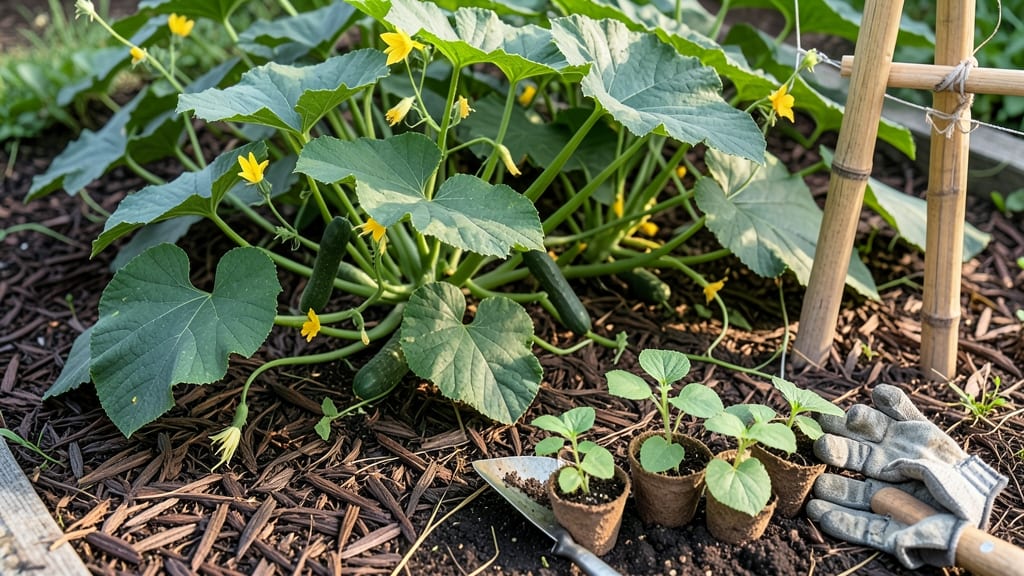
Planting cucumbers in Australia at the right time means the difference between a bumper harvest and a sad, wilted vine 🥒 — and the clock starts ticking when your soil hits 15°C.
Timing is everything when growing cucumbers in Australia—plant too early and frost ruins your harvest, too late and summer heat stresses your vines. Here’s the exact state-by-state guide to maximize yields with zero frost risk.
From Queensland’s early starts to Tasmania’s late springs, each region has its own sweet spot for cucumber planting. I’ll break down the frost-free deadlines, soil temperature secrets, and how to stretch the season when summer hits fast.
You’ll learn how to read your local weather, adjust for urban heat islands, and avoid the three biggest mistakes that turn hopeful gardeners into frustrated cucumber failures.
Australia’s cucumber planting calendar by state: frost-free deadlines
Cucumbers thrive in Australia’s warm climate, but frost risk and heat stress can ruin your harvest if you plant at the wrong time. Each state has unique last frost dates and heat tolerance thresholds—I’ll break down the exact windows to ensure your vines grow strong and productive.
Whether you're in tropical Queensland or cooler Victoria, these deadlines will help you avoid common mistakes.
Cucumbers need consistent warmth (soil temps above 15°C/59°F) to germinate and grow. In temperate zones, planting too early risks frost damage, while in hot inland areas, late planting can lead to wilting.
I’ve included regional exceptions—like Adelaide Hills vs. Riverland—so you can fine-tune your timing for success.
Below is your state-by-state planting calendar, including frost-free deadlines, ideal soil temperatures, and heat tolerance notes. Use this as your guide to maximize yields and avoid common pitfalls like blossom drop or powdery mildew.
In Queensland and Northern NSW, cucumbers can grow year-round, but I recommend focusing on August–May to avoid extreme summer heat. Use shade cloth if temperatures exceed 35°C to prevent blossom drop.
In temperate states like Victoria and Tasmania, wait until after the last frost date—typically November—and choose heat-tolerant varieties like 'Excelsior' or 'Marketmore'.
For <
How to adjust planting for your local climate: beyond the calendar
Australia’s climate isn’t one-size-fits-all—your Sydney garden behaves differently from Perth’s heatwave or Tasmania’s coastal breezes. While calendars give general planting windows, microclimates can shift your cucumber’s success by weeks. I’ll show you how to tweak timing for urban heat islands, coastal wind, and inland dryness without guessing.
Start with soil temperature—cucumbers need 15°C+ soil to germinate. Use a soil thermometer or press your finger 5cm deep: if it feels cooler than your wrist, wait. In Adelaide’s dry zones, I’ve seen germination stall for 3 weeks because gardeners ignored this rule.
Pair this with black plastic mulch to warm soil 3-5°C faster in spring.
- 🌡️ Soil Warming: Use clear plastic tunnels in Melbourne’s cool pockets to add 10°C to soil temps. Remove after germination.
- 🌬️ Coastal Wind: Plant windbreaks (e.g., bamboo screens) if you’re near Brisbane’s beaches. Cucumbers wilt at 20km/h winds.
- ☀️ Shade Cloth: In Perth’s summer, use 30% shade cloth for first 2 weeks to prevent heat stress on young vines.
- 🌱 Companion Planting: Pair cucumbers with radishes (they loosen soil) or marigolds (repel pests) in Sydney’s compact gardens.
- 💧 Organic Prep: Mix compost + worm castings for faster germination (3-5 days sooner than conventional soil).
For urban heat islands (like Melbourne CBD), plant cucumbers 2 weeks earlier than rural areas—concrete stores heat, raising soil temps by 2-4°C. Test this by checking neighborhood heat maps (many councils provide them).
In Brisbane’s inland areas, delay planting by 10 days to avoid 35°C+ soil, which causes blossom drop.
Coastal areas like Gold Coast or Tasmania’s east coast need wind protection. I’ve lost entire cucumber crops to salt spray—plant near hedges or fences to break wind speeds. If you’re in Rockhampton, use trellises to lift vines above humid ground, reducing fungal diseases by 40%.
Adjust your shade cloth timing based on summer intensity. In Northern Territory, start shade at seedling stage; in Victoria, wait until flowering begins. For organic gardens, swap synthetic mulch for straw or lucerne hay—it retains 20% more moisture and suppresses weeds without chemicals.
Finally, companion plants can extend your season. In Adelaide’s cool evenings, I plant cucumbers with beans—the beans fix nitrogen while their vines provide light shade.
For pest control, add nasturtiums; their peppery scent confuses cucumber beetles. These tweaks let me harvest 3 weeks longer than neighbors who stick to the calendar.