
Plants
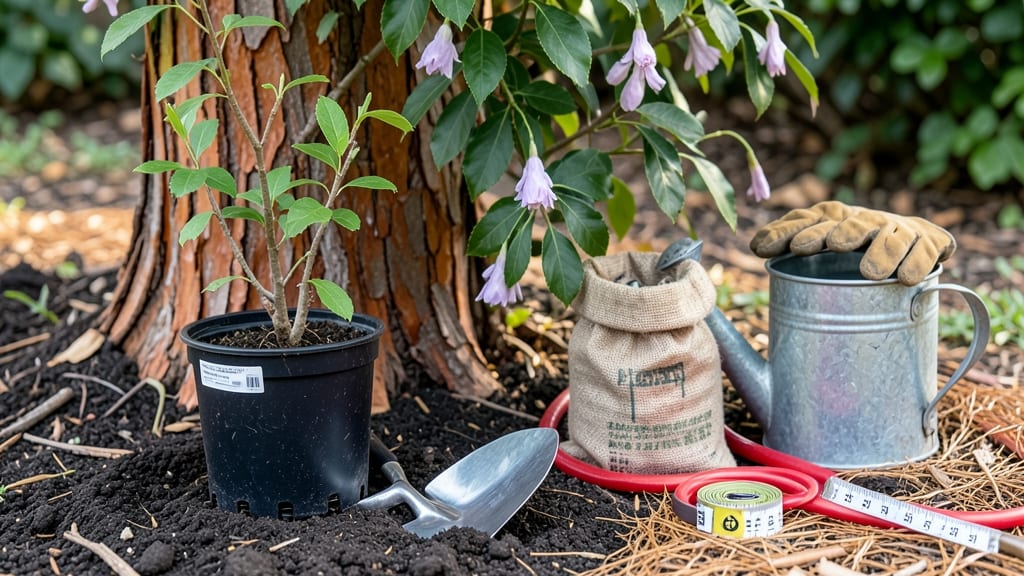
Planting crepe myrtle in Florida at the right time ensures your 🌸 thrives with minimal stress and maximum blooms—late winter to early spring is the sweet spot for most of the state.
If you’ve ever watched a crepe myrtle wilt under summer heat or struggle to recover from a surprise frost, you know timing matters. Florida’s frost-free zones (8a-11) let you plant year-round, but late winter gives roots a head start before summer’s intensity.
North Florida’s cooler winters mean planting between January and early March avoids frost risk, while South Florida’s mild climate allows for broader flexibility—even fall planting can work if you water deeply.
Below, I’ll break down the best months by region, soil prep tips, and how to keep your crepe myrtle growing strong without common pitfalls like transplant shock or heat stress.
Optimal Florida planting months for crepe myrtle: avoiding frost & heat stress
Florida’s subtropical climate makes crepe myrtle a standout ornamental, but planting timing directly impacts root establishment and bloom success. Unlike northern states, Florida’s USDA Zones 8a-11 mean frost risk varies wildly—from rare in Miami to late February in Tallahassee.
The key? Plant when soil temps stay above 60°F and heatwaves aren’t imminent.
Crepe myrtles thrive when planted during cooler months with moderate humidity. This gives roots time to anchor before summer’s brutal sun. In North Florida (Zones 8a-9a), aim for January-February—after the last frost but before April’s scorching heat.
South Florida (Zones 10a-11) offers year-round planting, but December-February still wins for minimal stress.
Here’s the critical difference between Florida’s regions—and why fall planting is riskier than most gardeners realize:
North Florida’s January-February window is non-negotiable for frost-sensitive varieties like ‘Arapaho’ or ‘Muskogee’. Planting in March risks heat stress, causing leaf scorch and stunted growth. I’ve seen nurseries in Tallahassee lose 30% of transplants when planted too late—don’t let that be you!
Central Florida’s December-February window balances cooler temps with avoiding summer’s intensity. This is where fall planting fails: September-October’s humidity can promote fungal diseases like powdery mildew. I recommend December 1st as the absolute latest for Central Florida.
South Florida’s year-round flexibility is a gardener’s dream—but summer planting (June-August) is a death sentence. The combination of 90°F+ temps and high humidity creates the perfect storm for transplant shock.
Even drought-tolerant crepe myrtles struggle to establish when soil temps exceed 85°F. Stick to December-February for zero stress.
Pro tip: Use a soil thermometer to confirm 60°F+ soil temps before planting. I’ve buried mine 4 inches deep—the depth where crepe myrtle roots will first explore. If it’s below 60°F
Crepe myrtle planting checklist: soil prep, spacing & post-planting care by season
Florida’s soil can be a double-edged sword—too sandy in some areas, too clay-heavy in others—both of which demand special prep before planting crepe myrtles. The key is amending the soil to mimic their native well-draining conditions, whether you’re in North Florida’s red clay or South Florida’s sandy loam.
Start by testing your soil’s pH (aim for 5.5-7.0) and adjusting with compost or sulfur as needed.
Once your soil is ready, spacing matters—crepe myrtles need room to grow. Dwarf varieties should get 6-8 feet of clearance, while standard trees need 15-25 feet between trunks.
This prevents overcrowding, which leads to poor airflow and fungal diseases. If planting multiple trees, arrange them in odd-numbered clusters for a natural, balanced look.
🌱 Crepe Myrtle Planting & Care Timeline for Florida
- 📅 Late Winter (Jan-Feb): Plant after last frost risk (North FL) or anytime in South FL. Amend soil with compost and organic matter.
- 💧 Spring (Mar-May): Water deeply 2x/week for first 3 months. Apply mulch (3-inch layer) to retain moisture.
- ☀️ Summer (Jun-Aug): Reduce watering to every 10-14 days. Avoid fertilizing—focus on pruning spent blooms.
- 🌡️ Fall (Sep-Nov): Light feeding (if needed) in early fall. Monitor for aphids or scale and treat early.
- ❄️ Winter (Dec-Feb): Minimal watering unless drought occurs. Protect young trees from unexpected cold snaps with burlap wraps.
After planting, mulching is non-negotiable in Florida’s heat. Use 3-4 inches of organic mulch (like pine bark or wood chips) to lock in moisture, regulate soil temperature, and suppress weeds. Keep mulch 3 inches away from the trunk to prevent rot.
For sandy soils, mix in peat moss to improve water retention, while clay-heavy soils benefit from gypsum to break up compaction.
Fertilizing is another critical step—overdoing it can burn roots, especially in Florida’s intense sun. Use a balanced 10-10-10 fertilizer in early spring (February-March) and avoid feeding after June. Newly planted trees need light feeding only; established trees can handle a slow-release fertilizer in early spring to fuel blooming.
Finally, seasonal adjustments are key. In summer, crepe myrtles enter dormancy-like stress—reduce watering and prune only dead or crossing branches. In winter, young trees may need light protection from unexpected cold snaps, even in South Florida.
Monitor for leaf scorch (a sign of underwatering) and powdery mildew (from poor airflow).
With this checklist, your crepe myrtles will thrive year-round, blooming prolifically and resisting Florida’s pests and soil challenges. The secret? Prep your soil, space them right, and adjust care by season—no guesswork needed! 🌿