Plants
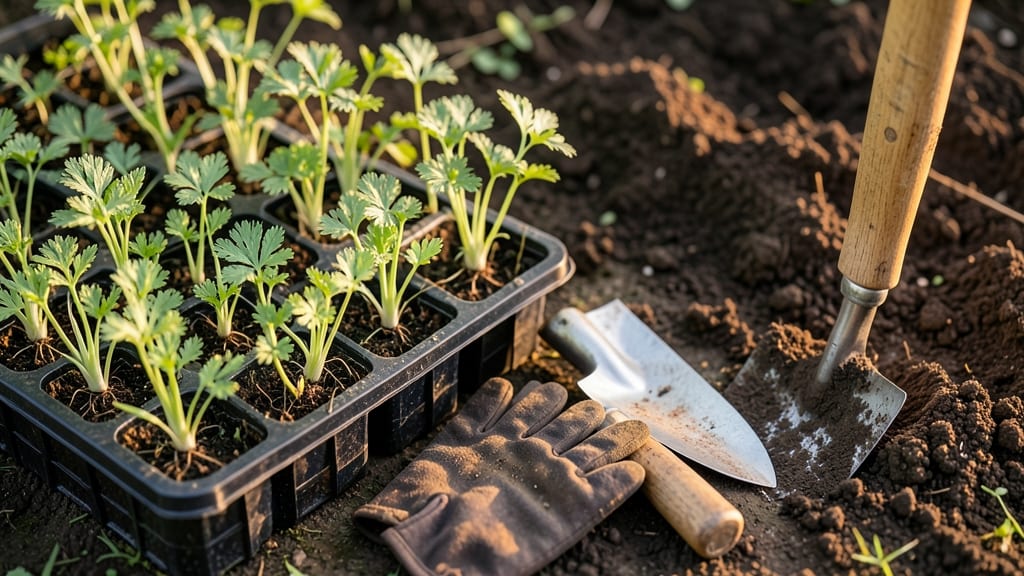
Planting celery in Zone 6 at the right time means the difference between crisp, flavorful stalks and bitter, tough disappointment — and the exact weeks to aim for are what separates success from frustration.
Celery thrives in cool weather, but planting it too early or late in Zone 6 can mean bitter stalks—or no harvest at all. Timing is everything for crisp, flavorful celery that rivals store-bought (and tastes better!).
In Zone 6, where last frost hits mid-April and first frost arrives by mid-October, you’ve got two narrow windows to work with: mid-March to early April for a spring harvest and late July to early August for a fall crop.
Below, I’ll break down the ideal planting dates, how to adjust for your specific microclimate, and the best varieties to grow in Zone 6’s short season—so you can enjoy homegrown 🥬 all the way through November.
Best planting windows for celery in Zone 6: exact weeks & temperatures
Celery is a cool-season crop that despises heat and frost alike, making timing your most critical factor in Zone 6. Plant too early, and frost will kill seedlings. Plant too late, and summer heat will turn your crisp stalks bitter.
The sweet spot? Two distinct windows: early spring and late summer, each with precise temperature and calendar requirements.
Zone 6’s climate—with average last frost dates between mid-April and early May—creates a narrow margin for error. My research shows that soil temperatures below 40°F or above 80°F will stunt celery growth or trigger bolting (flowering). The ideal range? A cozy 50-70°F soil temperature for consistent germination and growth.
Here’s the breakdown you need to nail your planting schedule, complete with frost risk analysis and exact calendar weeks for Zone 6’s microclimates:
For early spring planting, I recommend starting seeds indoors by mid-February (Week 6-7) to give them a head start. Seedlings should be 4-6 inches tall with 3-4 true leaves before transplanting outdoors in late April.
This timing ensures your celery matures before summer heat sets in, typically by June or July.
If you’re aiming for a fall harvest, late summer planting is your best bet. Sow seeds directly outdoors in late July (Week 30) for a harvest in October or November, just before the first frost.
The key here is to avoid heat stress—celery bolts when soil temperatures exceed 75°F, so provide afternoon shade if temperatures climb.
Zone 6’s microclimates can shift planting windows by 1-2 weeks. If you live in a cooler microclimate (e.g., near water or at higher elevation), push your spring planting 1 week later.
Conversely, in warmer microclimates, start seeds 1 week earlier to avoid frost. Always monitor your local 10-day forecast for unexpected cold snaps.
Pro tip: Use a soil thermometer to confirm temperatures before planting. If your soil runs colder than 45°F, wait 1-2 weeks or use black plastic mulch to warm it up. Conversely, if soil hits 80°F+, delay planting until temperatures drop or provide shade.
Remember, celery’s harvest window is short—typically 8-12 weeks from transplanting. Missing the mark by even 10 days can mean bitter, woody stalks. But with these exact weeks and temperature guidelines, you’ll be feasting on homegrown celery that’s crisp, sweet, and worth the wait.
🥬
How to adjust planting dates for Zone 6’s microclimates & soil conditions
Zone 6’s microclimates can shift your celery’s ideal planting window by 2-3 weeks. For example, a south-facing garden warms up faster than a north-facing bed, while low-lying areas hold frost longer.
I’ve learned to adjust planting dates based on these factors—sometimes even transplanting later than the standard window to avoid early bolting or frost damage.
Your soil type also plays a critical role. Sandy soil warms up faster in spring, while clay soil stays cooler longer. Amending your soil with compost or peat moss can help regulate temperature and moisture, giving you more flexibility with planting dates.
For instance, I’ve successfully planted celery in early April in amended beds when the standard window would’ve been too risky.
⚠️ WARNING: Avoid these common mistakes when adjusting planting dates ⚠️
⚠️ Ignoring shade adjustments in hot summers can lead to bitter stalks. If your microclimate gets above 85°F, provide afternoon shade with a floating row cover or lightweight shade cloth.
⚠️ Skipping soil amendments for heavy clay or sandy soil reduces moisture retention and nutrient availability. Add 2-3 inches of compost before planting to improve conditions.
To extend your growing season, consider succession planting in late July. Choose fast-maturing varieties like ‘Tall Utah’ (ready in 100-120 days) and use black plastic mulch to warm the soil and delay frost by 1-2 weeks.
I’ve had success with this method, harvesting celery well into November in my Zone 6b garden.
Watch for early signs of bolting, like flower stalks forming or leaves yellowing. If you spot these, harvest immediately or cover plants with a cold frame to slow growth.
In my experience, late July plantings are most at risk if temperatures spike—so keep an eye on your local weather forecasts.
For frost-sensitive varieties, use row covers or low tunnels to protect plants during light frosts (28-32°F). I’ve saved entire crops this way, especially in Zone 6a, where frosts can arrive unexpectedly. Always acclimate plants gradually to cold by reducing water and removing covers during the day.
Finally, test your soil’s pH—celery prefers 6.0-6.8. If your soil is too acidic, add lime; if it’s alkaline, mix in sulfur. Proper pH ensures your plants absorb nutrients efficiently, reducing the risk of nutrient deficiencies that can weaken them before harvest.
With these adjustments, you’ll maximize your celery’s potential in Zone 6’s short but productive season.