
Plants
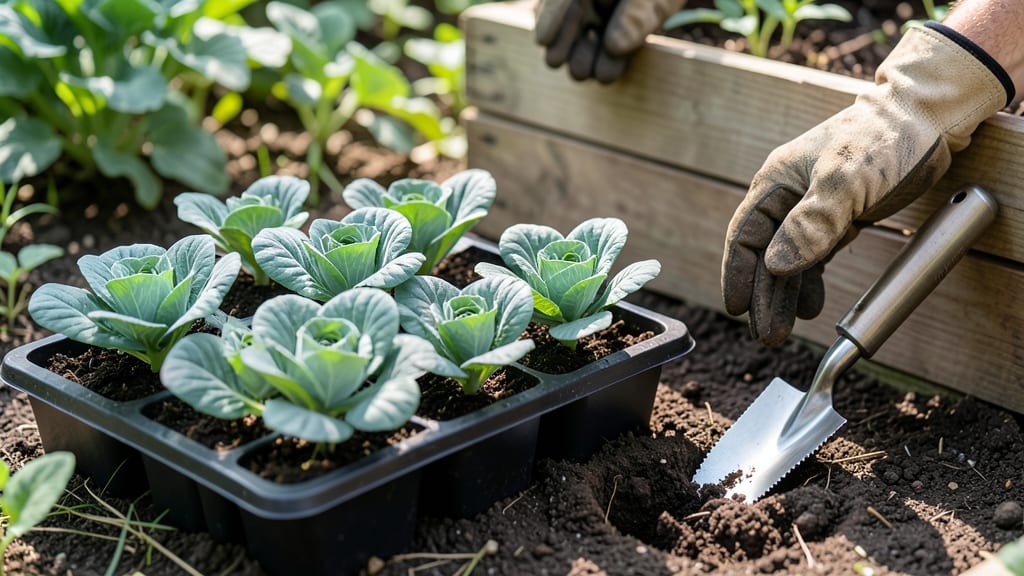
To plant cabbage in Zone 5, aim for 4-6 weeks before your last spring frost—typically mid-March to early April—and again in late July for a fall harvest.
Timing your cabbage planting in Zone 5 can mean the difference between a thriving harvest and wasted effort—get it wrong, and you risk bolting plants or stunted growth before frost hits.
Cabbage is a cool-season crop, so it thrives when temperatures are mild. In Zone 5, where frosts linger until mid-May, early planting ensures strong seedlings before the heat arrives.
Whether you’re direct-sowing seeds or transplanting starts, I’ll walk you through the exact weeks to plant, how to adjust for late frosts, and which varieties hold up best in your short growing season.
Optimal cabbage planting weeks before last frost in Zone 5
Timing your cabbage planting in Zone 5 requires precision—especially since this cool-season crop thrives in moderate temperatures but bolts when it gets too hot. The key is knowing your last frost date and adjusting for early vs. late varieties.
In most of Zone 5, the average last frost falls around May 15, but your exact date can vary by 2 weeks either way.
For direct sowing, aim to plant seeds 4-6 weeks before your last frost date. This gives seedlings enough time to establish before warm weather arrives. If you're transplanting seedlings, wait until 2-3 weeks before last frost—soil should be at least 45°F and warming consistently.
Both methods require careful timing to avoid bolting or frost damage.
Here’s how to calculate your exact planting window: Check your local USDA Plant Hardiness Zone Map for precise last frost dates, then subtract the weeks needed for your chosen variety. Early varieties (like 'Early Jersey Wakefield') mature in 60-70 days, while late varieties (like 'Golden Acre') take 80-100 days.
Adjust accordingly to avoid harvests clashing with fall frost.
🌱
| Planting Method | Weeks Before Last Frost | Soil Temp Requirement | Best Varieties |
|---|---|---|---|
| Direct Sowing (Spring) | 4-6 weeks | 40-45°F | Early Jersey Wakefield, Golden Acre |
| Transplanting (Spring) | 2-3 weeks | 45°F+ | Red Express, Savoy King |
| Direct Sowing (Fall) | 8-10 weeks before first frost | 50-55°F | Late Flat Dutch, January King |
| Transplanting (Fall) | 6-8 weeks before first frost | 50°F+ | Green Express, Purple Cape |
For spring planting, prioritize early-maturing varieties to harvest before summer heat sets in. Start seeds indoors 6-8 weeks before last frost if you’re transplanting, or sow directly 4-6 weeks out.
In my Zone 5 garden, I’ve found that planting Early Jersey Wakefield in early April yields heads by late May—just in time for a frost-free harvest.
If you miss the spring window, don’t despair—fall planting is equally productive. Aim to sow seeds or transplant 8-10 weeks before your first frost (typically late July to early August in Zone 5).
This gives cabbage enough time to mature before temperatures drop. Late varieties like 'January King' are ideal for fall, as they tolerate cooler temps and can withstand light frosts.
Pro tip: Use row covers or cold frames to extend your growing season by 2-3 weeks in spring or fall. This is especially helpful if your last frost arrives late or your first frost comes early.
I’ve protected my seedlings with floating row covers and avoided frost damage on multiple occasions.
🥬
When calculating your planting schedule, account for microclimates in your garden. Areas near south-facing walls or water features may warm up faster, allowing you to plant 1-2 weeks earlier.
Conversely, low-lying spots or shaded areas might need a later start. Always test your soil temperature with a soil thermometer—cabbage roots struggle in cold, wet soil.
For direct
How to adjust planting for Zone 5’s unpredictable spring weather
Zone 5’s unpredictable spring weather can turn your cabbage dreams into disappointment if you don’t plan ahead. Late frosts and temperature swings often delay planting, but with the right strategies, you can still enjoy a bountiful harvest.
The key is flexibility—knowing when to start seeds indoors, how to protect young plants, and which cold-hardy varieties will thrive despite the chaos.
First, accept that Zone 5’s last frost date isn’t set in stone. While it’s typically around May 15, a sudden cold snap can push it back by weeks. Extend your growing season by choosing early-maturing varieties and using protective measures like row covers or cold frames.
These tools buy you critical time to establish healthy seedlings before the soil warms enough for optimal growth.
Here’s how to adapt your planting strategy when Mother Nature throws curveballs:
- 1 Start seeds indoors 6-8 weeks before your average last frost date—typically mid-January to early February for Zone 5. This gives seedlings a head start and reduces exposure to late spring frosts. Use grow lights or a sunny windowsill to prevent leggy growth.
- 2 Use row covers or cold frames to protect seedlings after transplanting. These create a microclimate that’s 5–10°F warmer, shielding plants from light frosts (28–32°F). Remove covers when temperatures rise above 70°F to prevent overheating and bolting.
- 3 Plant cold-hardy varieties like 'Early Jersey Wakefield' or 'Golden Acre', which tolerate light frosts and mature quickly (60–70 days). Avoid heat-sensitive varieties like 'Red Express' for early plantings, as they’ll bolt in warm weather.
- 4 Stagger plantings every 2 weeks for a continuous harvest. If your first batch gets nipped by frost, later plantings will still yield. For example, sow half your seeds in March and the rest in early April to spread risk.
- 5 Monitor soil temperature with a soil thermometer. Cabbage thrives when soil is at least 45°F. If it’s colder, wait or use black plastic mulch to warm the soil faster. Avoid planting in soggy, cold soil, which slows germination.
Don’t let Zone 5’s fickle spring discourage you—these adjustments turn uncertainty into opportunity. For example, if a late frost hits in early May, your row-covered seedlings will survive while neighbors’ plants suffer. Similarly, staggered plantings ensure you’re never left without fresh cabbage, even if one batch fails.
Pro tip: Keep a gardening journal to track your local frost dates and planting success. Over time, you’ll refine your strategy. For instance, if you notice 'Golden Acre' bolts in June, switch to a shade-tolerant variety like 'Crimson Queen' for summer plantings.
Adaptability is your secret weapon in Zone 5’s unpredictable climate.
With these tactics, you’ll maximize your cabbage yield despite spring’s whims. The goal isn’t perfection—it’s resilience. Even a 50°F night can’t stop a well-prepared gardener in Zone 5!