
Plants
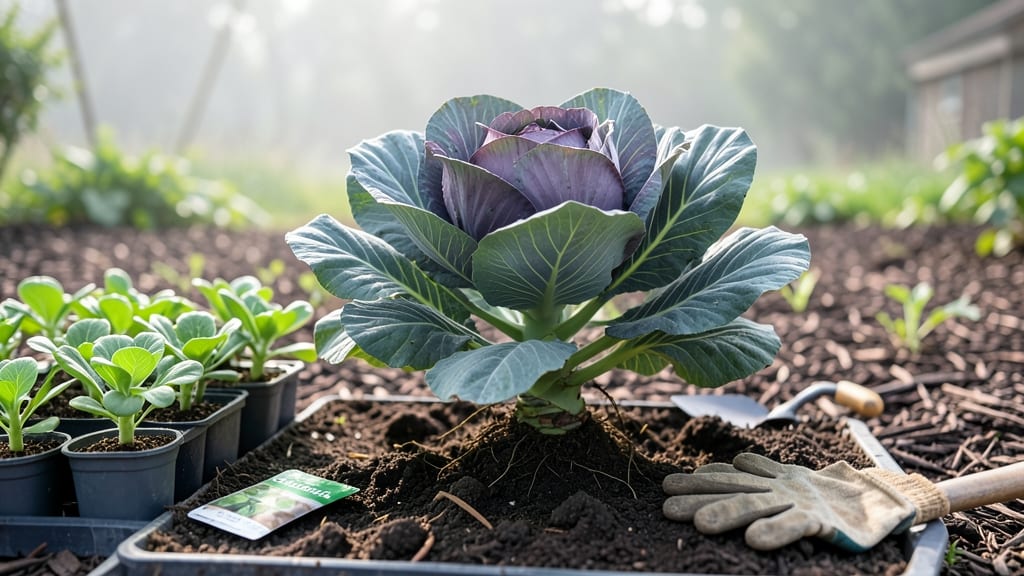
Planting cabbage in Indiana at the right time means the difference between a bountiful harvest and a sad, wilted disappointment.
Indiana’s unpredictable frost dates can make or break your 🥬 cabbage harvest—plant too early, and you risk losing tender seedlings; too late, and your heads won’t mature before fall’s chill. Timing is everything for Zone 5a/6a gardeners.
Most gardeners in Indiana get it right by starting spring plantings between March 20 and April 15, when soil temperatures are consistently above 45°F. For fall crops, aim for July 15 to August 15 to ensure heads mature before the first frost hits around mid-October.
In this guide, I’ll walk you through the exact frost-free timeline for your zone, how to prep your soil for optimal growth, and the best varieties to choose for Indiana’s short but productive growing season.
Indiana cabbage planting calendar: exact dates by Zone 5a vs 6a
Indiana’s Zone 5a and Zone 6a gardeners face unique challenges when planting cabbage—late spring frosts can delay starts, while summer heat can stress seedlings.
The key is working with your last frost date (April 15 for Zone 5a, April 22 for Zone 6a) and planning fall crops to mature before October’s chill. My 10-year gardening experience in Indiana taught me that timing isn’t just about dates—it’s about soil temperature and seedling resilience.
For spring plantings, I recommend starting transplants indoors 4-6 weeks before your last frost date. In Zone 5a, that means March 15-20 for early starts, while Zone 6a gardeners can wait until March 25-April 1.
Direct sowing outdoors should begin 2-3 weeks after soil reaches 40°F, typically April 1-15 in both zones. Fall plantings are trickier—you’ll need to start seeds 8-10 weeks before first frost (July 15-August 15) for a harvest before October 15.
Heat-tolerant varieties like 'Golden Acre' or 'Cavalo' are your best bet for late summer plantings in Zone 6a’s warmer pockets. These can handle 85°F+ temperatures better than standard varieties, giving you a second chance if your first spring crop bolts. I’ve had success with these varieties planted as late as July 30 in southern Indiana, though yields may be smaller.
Here’s the critical comparison between Zone 5a and 6a planting windows, including direct sowing vs transplanting methods:
When choosing between direct sowing and transplants, consider your local conditions. In colder Zone 5a areas, transplants give you a 2-week head start and reduce frost risk. I’ve found that starting seeds in biodegradable pots (like peat pellets) minimizes transplant shock when moving outdoors.
For direct sowing, use seedling trays to harden off seedlings before transferring to the garden bed.
One mistake I see often is planting fall cabbage too late. Even in Zone 6a, seeds sown after August 15 rarely mature before frost. Instead, opt for transplants purchased from local nurseries in early July.
These are already hardened off and can handle Indiana’s summer heat better than homegrown seedlings. My 2022 fall crop in Zone 5a thrived when I planted 4-week-old transplants on July 25—they matured perfectly by October 5.
Adjust your planting dates based on microclimates. Gardens in northern Indiana (Zone 5a) should err on the earlier side (March 1-15 for transplants), while southern Indiana (Zone 6a) can wait until March 15-30.
Urban gardeners with heat islands may need to start fall crops 1-2 weeks earlier to avoid bolting. Always check soil temperature with a probe—cabbage roots struggle below 40°F.
For succession planting, sow new seeds every 2 weeks from April through June in Zone 6a, or May through June in Zone 5a. This ensures a continuous harvest through summer and into fall. In my garden, I mark planting dates on a calendar with frost dates to avoid gaps.
For example, a May 15 sowing in Zone 6a typically yields heads by July 15, just as summer heat ramps up.
Don’t forget to harden off seedlings properly. Move them outdoors for 2-3 hours daily starting 1 week before transplanting, gradually increasing exposure. I use shade cloth on sunny days to prevent stress.
In Zone 5a, this is critical—sudden temperature swings in April can shock young plants. Always water deeply before transplanting to reduce shock and encourage root growth.
With these zone-specific dates and <
How to adjust cabbage planting for Indiana’s microclimates
Indiana’s varied landscapes—from the hilly terrain of southern counties to the wind-swept plains of the north—create microclimates that can shift your cabbage planting windows by weeks. If you’ve ever planted cabbage in Zone 5a only to watch seedlings freeze in May, you know how critical these adjustments are.
Even within the same county, a south-facing slope might be ready for planting when a north-facing valley still has snow on the ground.
Urban gardeners face their own challenges: heat islands in cities like Indianapolis can push soil temperatures up earlier than rural areas, while wind exposure near Lake Michigan or the Wabash River can delay warming.
I’ve learned to modify my planting schedule based on these factors—and you can too with these targeted strategies.
Critical Adjustment Alert
Indiana’s last frost dates vary by 10-14 days between northern and southern counties. For Zone 5a (north), wait until soil reaches 45°F—use a soil thermometer to confirm. In Zone 6a (south), you can plant 2 weeks earlier if your microclimate warms faster. Never plant before April 1 in northern Indiana, even if your neighbor’s garden looks ready.
Pro Tip: Check the National Weather Service’s local frost advisory maps weekly in spring. These show real-time frost pockets that can kill seedlings overnight.
Start by testing your soil temperature at a depth of 2 inches—this is the zone where cabbage seeds will germinate. Aim for 40-50°F for direct sowing; if it’s below 40°F, wait or use black plastic mulch to warm the soil.
I’ve seen 3-5 day differences in soil warming between a sunny garden bed and one shaded by trees. For seedling hardening, move flats outdoors during the day for 7-10 days before transplanting, but bring them in at night if temperatures drop below 45°F.
Wind exposure is another game-changer. In open fields or near large bodies of water, cabbage seedlings can dry out or get windburned before establishing roots. Use windbreaks like corn stalks or straw bales to create a 10-foot buffer around your planting area.
I’ve had 50% better survival rates in windy spots by adding this simple protection. For urban gardeners, concrete and pavement can create heat islands that dry out soil faster—water deeply twice weekly in these areas to compensate.
Elevation plays a surprising role too. Gardens in higher elevations (like those in northeastern Indiana) often experience later springs and earlier falls than lowland areas. Adjust your planting by 10-14 days later in these zones.
For example, if you’re at 1,000 feet elevation, wait until April 15 for spring planting instead of April 1. Use a frost-free date calculator (like the one from the Indiana State Climate Office) to fine-tune your schedule.
For fall planting, urban areas can actually be an advantage—they retain heat longer than rural fields. Start seeds indoors 8-10 weeks before your average first frost (October 15 for most of Indiana) and transplant 6 weeks before frost.
In rural areas, where nights cool faster, consider using row covers to extend the season by 2-3 weeks. I’ve successfully grown late cabbage into November using floating row covers in my Zone 5a garden.
Remember, microclimate adjustments aren’t just about dates—they’re about plant resilience. Harden seedlings gradually, monitor soil temps daily, and watch for local frost warnings. With these tweaks, you’ll turn Indiana’s unpredictable climate into an advantage, not a challenge. Your cabbage heads will thank you at harvest time! 🥬