
Plants
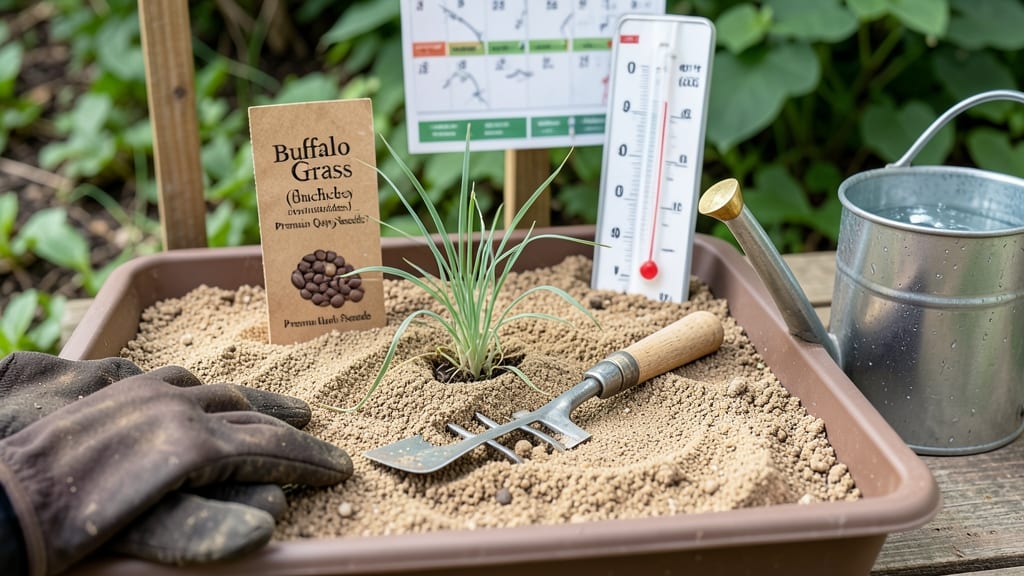
Planting buffalo grass seed in Kansas at the right time ensures a fast establishment that thrives through droughts and low-maintenance care.
Miss the window, though, and you’re staring at bare patches or seedlings that freeze before they take root—especially in Zone 5b, where late frosts linger until mid-April.
The key isn’t just picking a month; it’s reading your soil temperature, adjusting for microclimates (like windy plains vs. sheltered valleys), and knowing when to switch from spring to late-summer seeding.
Buffalo grass 🌿 loves Kansas’ heat but hates soggy soil or frost surprises. That’s why the ideal planting window shifts from early spring in Zone 7a to late summer in Zone 5b—with soil temps above 55°F as your green light.
I’ll break down the exact dates by zone, plus how to prep your seedbed for 90% germination the first year.
Ready to skip the guesswork? You’ll walk away with a timeline tailored to your corner of Kansas, plus pro tips for avoiding the three biggest mistakes that turn seed into dust.
Best planting windows for buffalo grass seed in Kansas by USDA Zone
Kansas gardeners know timing is everything when planting buffalo grass seed. This native grass thrives in USDA Zones 6b-7a, but the optimal planting windows shift between early spring and late summer. The key? Soil temperatures above 55°F and avoiding frost risks that can wipe out young seedlings.
In Zone 6b (eastern Kansas), the window is tighter due to later frosts, while Zone 7a (western Kansas) offers more flexibility. Microclimates like Wichita’s hotter summers or Kansas City’s cooler springs further complicate timing. Let’s break down the best strategies for each zone.
🌱 Pro Tip: Always test soil temperature with a soil thermometer—it’s the most reliable guide, not just the calendar.
For spring planting, aim for late April to May in Zone 6b and early April to May in Zone 7a. The goal is to seed when the soil stays above 55°F consistently, but before summer heat stresses young seedlings.
In Wichita’s Zone 7a, you can push to April 15 if nights stay above freezing.
My favorite strategy? Late summer seeding (August–September). This gives seedlings time to establish roots before winter, reducing spring competition. In Kansas City’s cooler climate, September 1–15 is ideal—just before the first frost (usually October 10).
Watch for microclimate variations. A south-facing slope in Wichita may warm up faster than a shaded yard in Kansas City. Use a soil thermometer for 3–5 days to confirm readiness. If temps dip below 50°F at night, delay planting until conditions stabilize.
⚠️ Warning: Planting too early in Zone 6b (before April 15) risks frost damage. Late summer is safer—just avoid seeding after September 15 in cooler areas.
After choosing your window, prep the soil by removing debris and loosening the top 2–3 inches. Lightly rake to create a fine seedbed, then water deeply to 1–2 inches before sowing. Keep soil moist (not soggy) for 4–6 weeks to encourage germination.
Buffalo grass is drought-tolerant once established, but young seedlings need consistent moisture. In Zone 7a’s hotter summers, water daily until germination (about 10–14 days), then taper to 2–3 times weekly. Mulch lightly with straw to retain moisture and suppress weeds.
For best results, combine late summer seeding with a light fertilizer application (10-10-10) in September. This boosts root growth before winter dormancy. In Zone 6b, hold off on fertilizer until spring to avoid overstimulating tender new growth.
🌿 Ready to plant? Mark your calendar for August 15–September 15—this window works across most of Kansas and minimizes frost risk.
Critical factors that determine success beyond just dates
Even if you’ve picked the right USDA Zone 6b-7a window for planting buffalo grass seed in Kansas, success hinges on three often-overlooked factors: seed viability, soil moisture, and frost risk assessment.
Skipping these checks can turn your seed into a costly mistake, especially in Kansas’ unpredictable climate. Let’s break down how to get these right using local resources.
First, check your seed viability with a simple float test. Fill a glass with water, drop a handful of seeds inside, and wait 15 minutes. Sinkers are viable; floaters are duds.
For buffalo grass, aim for 90% viability or higher. Kansas State University Extension recommends purchasing fresh seed from reputable suppliers to avoid this step entirely.
Soil moisture is your next critical lever. Buffalo grass thrives with 1-2 inches of water weekly, but Kansas’ clay-heavy soils can trap moisture or dry out too quickly. Use a trowel or moisture meter to check 2-3 inches deep before planting. If the soil feels dry, water deeply the night before—this mimics natural rainfall and helps seeds germinate faster.
Now, let’s talk frost. Kansas’ Zone 6b-7a can see late frosts until mid-April, and early frosts as soon as mid-October. The Kansas State University Planting Calendar (available online) provides frost-free date averages for your county.
Planting too early—like in March—risks frost damage to tender seedlings, while waiting too long (after September 15) may leave them struggling to establish before winter.
⚠️ callout warning🚨 Common Mistakes That Kill Buffalo Grass Seedlings in Kansas
- Planting too early (before April 20 in Zone 6b) risks frost damage to young shoots.
- Ignoring post-emergence care: Skipping the first 2 weeks of daily watering lets seeds dry out.
- Overwatering in clay soils causes root rot—buffalo grass prefers drought-like conditions once established.
- Using old seed (2+ years old) reduces germination rates by 50% or more.
Pro Tip: Mark your calendar for Kansas State’s frost alerts—they’re your early warning system.
Beyond frost, pay attention to soil temperature. Buffalo grass seeds need soil at 55°F or warmer to germinate. Use a soil thermometer (available for $10 at garden centers) to confirm.
In Kansas, this typically means waiting until late April or early May for spring plantings, or mid-August for fall. Pro tip: Black plastic mulch can warm soil 5-10°F faster if you’re eager to start early.
Finally, don’t underestimate post-emergence care. Once your buffalo grass sprouts, reduce watering to twice weekly to encourage deep root growth. In Kansas’ windy plains, use a light straw mulch (not thick layers) to retain moisture without smothering seedlings.
This step is often skipped, yet it’s what separates a patchy lawn from a dense, drought-resistant carpet.
By mastering these factors—viability, moisture, frost timing, and post-planting care—you’ll turn Kansas’ challenges into your buffalo grass’s superpowers.
Start with the Kansas State Planting Calendar, test your soil, and watch your lawn transform from bare dirt to low-maintenance green in just a few months. 🌱