Plants
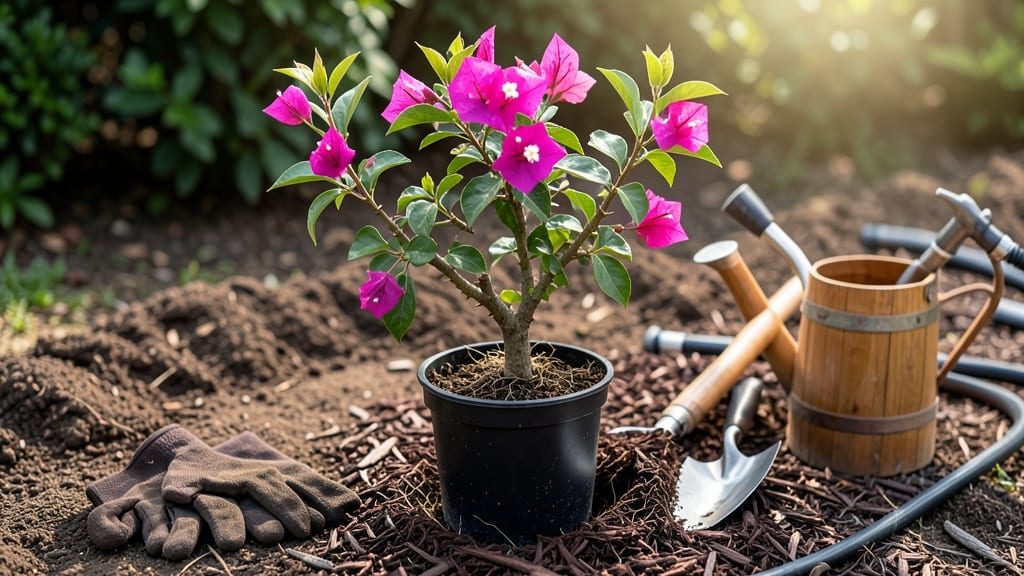
Plant bougainvillea in Texas after your last frost date—typically mid-February in North Texas or even January in the South—to give these heat-loving 🌸 shrubs the perfect start.
Texas gardeners know bougainvillea thrives in heat—but planting it at the wrong time can mean lost blooms or even plant death. The key is avoiding both frost damage and heat stress, which means timing your transplant just right.
In cooler zones like 8a-8b, wait until soil temperatures hit 60°F+ before planting, while South Texas gardeners can enjoy year-round success in 9a-10b. Whether you’re digging in the ground or potting up, the right window makes all the difference.
Below, I break down the exact months for your region, how to prep your bougainvillea for Texas’s brutal summers, and the one mistake that kills more plants than frost ever does.
Optimal planting windows for Texas bougainvillea: avoiding frost & heat stress
Texas’s diverse climate—from North Texas freezes to South Texas heat—means bougainvillea planting windows vary dramatically. In Zone 8a (North), frost risk lingers until mid-April, while Zone 10b (South) allows year-round planting. The key? Soil temperature and microclimates (urban vs. rural) dictate success.
For in-ground planting, aim for February–April in cooler zones to avoid late spring frosts. In South Texas (Zones 9b–10b), plant anytime—even in summer—but acclimate nursery plants gradually to 100°F+ heat. Containers offer flexibility, letting you move plants indoors during winter freezes in North Texas.
Urban areas (like Austin or Dallas) often face heat islands, where pavement raises temperatures. Rural spots may have cooler nights, extending the planting window. Always check your last frost date—North Texas averages February 15, while South Texas sees January 1 as the cutoff.
In North Texas, March–April is ideal for in-ground planting because soil warms to 60°F+, reducing transplant shock. If you plant too early, cold snaps can stunt growth. Containers are your best friend here—move them indoors when night temps drop below 40°F.
Central Texas (Austin/San Antonio) enjoys a longer window (February–May) due to urban heat islands. Rural areas may need to wait until April for consistent warmth. Mulch heavily with gravel or wood chips to insulate roots from temperature swings.
South Texas gardeners have the luxury of year-round planting, but summer starts (June–August) demand extra care. Acclimate nursery plants slowly to 100°F+ heat by placing them in partial shade for a week before full sun. Morning watering is critical to prevent heat stress.
For container gardening, timing is flexible—plant anytime in South Texas or February–April in North Texas. Use terracotta pots for better drainage and elevate containers to improve airflow. In urban areas, containers can mitigate soil compaction from heavy foot traffic.
Pro tip: Test soil temperature before planting—it should be at least 60°F for 2–3 inches deep. Use a soil thermometer or the "back of your hand" test (if it’s warm to the touch, it’s ready). Clay-heavy soils in North Texas may need amendments like sand or perlite for drainage.
Microclimates play a huge role. A shady patio in Dallas might stay 10
Texas-specific bougainvillea varieties & their ideal planting times
Texas’s diverse climate means your bougainvillea’s planting window depends on both variety and location. In North Texas (Zones 7b-8a), cold-hardy hybrids like 'California Gold' can handle late winter planting, while South Texas (Zones 9a-10b) allows year-round growth for heat-lovers like 'San Diego Red'.
Soil type also plays a role—clay-heavy soils need amended planting times, while sandy soils dry out faster, requiring earlier starts.
For container gardening, timing shifts slightly—you can plant 'Barbara Karst' as early as January in Austin but wait until March in Dallas to avoid 20°F dips. In-ground plants, however, need warmer soil temps (60°F+), pushing ideal windows to late February to April in most regions. Soil prep with compost can extend these windows by 2-3 weeks.
If you’re in East Texas, where humidity spikes, opt for 'Violet Dream'—it blooms earlier and handles 90%+ humidity better than most.
For West Texas, 'Orange King' thrives with minimal water once established, making it perfect for April planting when rains taper off. Soil amendments like gypsum for clay or coconut coir for sandy soils can adjust planting windows by up to 3 weeks.
Pro tip: Acclimate nursery-bought bougainvillea for 7-10 days before planting by placing them in partial shade during 100°F+ days. This prevents heat shock, especially for 'San Diego Red', which burns easily when transitioned too quickly. Morning sun is ideal for this process.
Remember, Texas’s microclimates can vary by even 10 miles. Check your local frost dates (e.g., Dallas vs. Waco) and adjust planting by 1-2 weeks.
For container growers, black fabric pots warm up faster in spring, letting you plant 'Thunderbird' as early as January in San Antonio. 🌸
For North Texas gardeners, late February is your last safe window before unpredictable freezes. Use row covers for 'California Gold' if temps dip below 25°F. In South Texas, year-round planting works, but avoid summer (June-August) due to intense heat stress on new roots. 🌿