
Trees
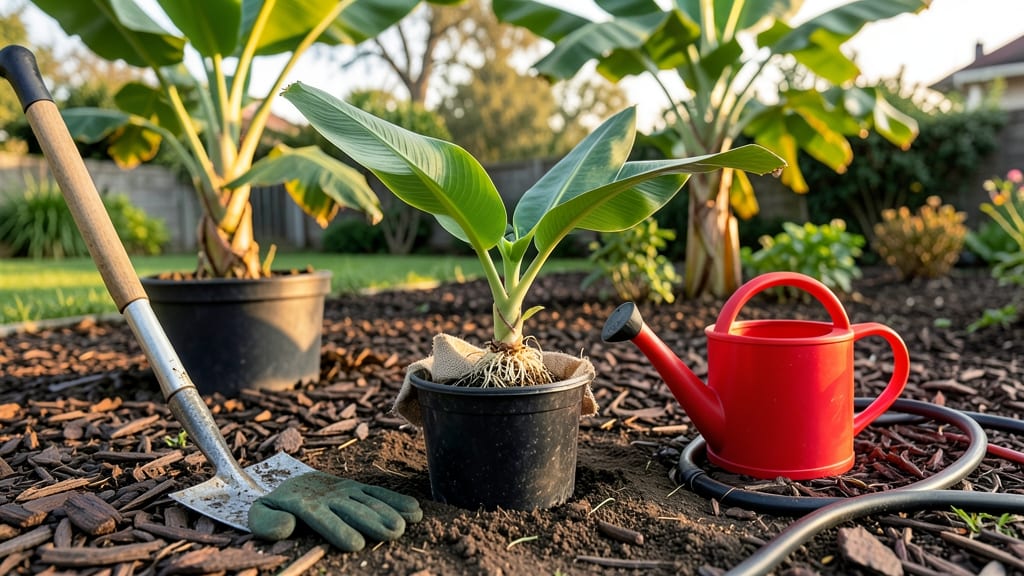
Plant banana trees in Florida during spring or early summer for the fastest growth and highest fruit yield—avoiding the brutal heat of mid-summer or the occasional cold snap in North Florida.
You might think Florida’s frost-free climate means you can plant anytime, but timing still matters. The right window ensures your 🍌 thrives without battling heat stress or nutrient competition from weeds.
Spring plantings (February–April) give your tree a head start before summer’s peak, while late summer (August–September) avoids the worst of the heat. I’ll break down the best months by region and how to prep soil for maximum growth.
Skip the guesswork: Learn the exact planting schedule, soil tweaks, and watering tricks to grow a banana tree that’s fruiting in under a year.
Best months to plant banana trees in Florida for optimal growth
Florida’s warm climate makes it a perfect place to grow banana trees, but choosing the right planting window ensures your tree thrives. Unlike northern states, Florida’s frost-free seasons allow year-round planting, but two ideal windows maximize success: spring (February–April) and early fall (August–September).
These periods balance soil warmth, rainfall, and humidity for robust root development.
In North Florida (Zones 8a–9a), cooler winters and occasional light frost in January can stress young plants, so spring planting is critical. Meanwhile, South Florida (Zones 10a–11) enjoys year-round warmth, but summer heatwaves can stress newly planted trees.
Understanding these regional differences helps tailor your approach for optimal growth and fruit production.
| Month | Soil Temp (°F) | Rainfall (in) | Ideal for Planting? | Notes |
|---|---|---|---|---|
| February | 65–75°F | 2.5–3.5 | ✅ Yes | Warm soil, moderate rain; perfect for root establishment. |
| March | 70–80°F | 3–4 | ✅ Yes | Peak spring growth; avoid late frosts in North FL. |
| April | 75–85°F | 2–3 | ✅ Yes | Hotter but still ideal; water deeply during dry spells. |
| August | 80–88°F | 7–9 | ✅ Yes | High humidity; shade young plants from intense sun. |
| September | 78–86°F | 5–7 | ✅ Yes | Cooling temps; roots establish before winter rains. |
| July | 85–90°F | 6–8 | ⚠️ Risky | Extreme heat; plant only with shade cloth and extra water. |
Planting in February–April gives your banana tree a head start. Soil temperatures hover between 65–85°F, ideal for root growth, and moderate rainfall reduces irrigation needs. In North Florida, avoid planting in late January when light frost (below 32°F) can damage young leaves.
Instead, wait until soil warms to 60°F or higher.
For South Florida, August–September is the best window. The humidity remains high, and hurricane season risks decrease after early September. Young trees planted in these months benefit from consistent moisture and avoid the peak summer heat that can cause transplant shock.
Always choose a well-draining spot to prevent root rot.
If you miss these windows, don’t despair! Banana trees can be planted year-round in South Florida, but success hinges on soil prep and shade protection. For example, planting in June or July requires daily
How to choose the perfect planting time based on your Florida Zone
Florida’s diverse climate—from Zone 8a in the Panhandle to Zone 11 in the Keys—means planting times vary dramatically. Unlike northern states, Florida’s frost-free winters allow year-round planting, but heat stress and humidity still play critical roles.
The key is aligning your planting with soil warmth, rainfall patterns, and microclimates unique to your zone. Let’s break it down by region.
For Zone 8a/8b (North Florida), aim for February to April when soil temperatures stabilize above 65°F. This gives young banana trees a head start before summer’s brutal heat.
In Zones 9a-10a (Central/East Florida), you can plant year-round, but spring (March–May) and early fall (August–September) are ideal to avoid peak summer humidity. Zone 10b-11 (South Florida) offers the most flexibility, but even here, late summer plantings benefit from shorter daylight hours and cooler nights.
- 1 Zone 8a/8b (North Florida): Plant February–April to avoid late-winter cold snaps. Soil temps must stay above 60°F for root growth.
- 2 Zone 9a-10a (Central/East Florida): Opt for March–May or August–September. Avoid June–July due to extreme heat and fungal risks.
- 3 Zone 10b-11 (South Florida): Plant year-round, but prioritize September–November for cooler nights and lower humidity.
- 4 Heat Stress Warning: In Zones 9a–11, avoid planting during June–August unless using shade cloth. Young trees can suffer leaf scorch in 95°F+ temps.
- 5 Extend Your Season: Use mulch (4–6 inches) to regulate soil temps. In Zone 8a, cover young plants with burlap for unexpected cold snaps (below 40°F).
Don’t overlook microclimates—coastal areas (like Miami or Tampa) stay warmer longer than inland regions (e.g., Orlando or Gainesville). For example, South Florida’s humidity can stress banana trees if planted in summer, while North Florida’s drier air in spring is ideal.
Always check your local frost dates (even in Florida, rare 28°F dips can occur in Zone 8a).
Pro tip: Soil temperature matters more than air temperature. Use a soil thermometer to confirm 65°F+ before planting. In Zones 9a–11, late summer plantings benefit from shorter days, reducing transplant shock.
For container-growing, adjust timing by 2–4 weeks earlier—potted trees dry out faster and need stable conditions.
If you’re in Zone 10b–11 and missed the ideal window, don’t panic. Banana trees are tropical perennials and can handle late plantings, but prioritize shade cloth (30–50%) during peak afternoon sun for the first 3 months.
Pair this with daily watering and weekly fertilizer (balanced 10-10-10) to compensate for slower establishment.
Remember: Florida’s no-frost rule is a gift, but heat stress and humidity are the real challenges. By aligning your planting with your specific zone and microclimate, you’ll give your banana tree the best shot at fast growth and fruit production—without the guesswork. 🌱