
Plants
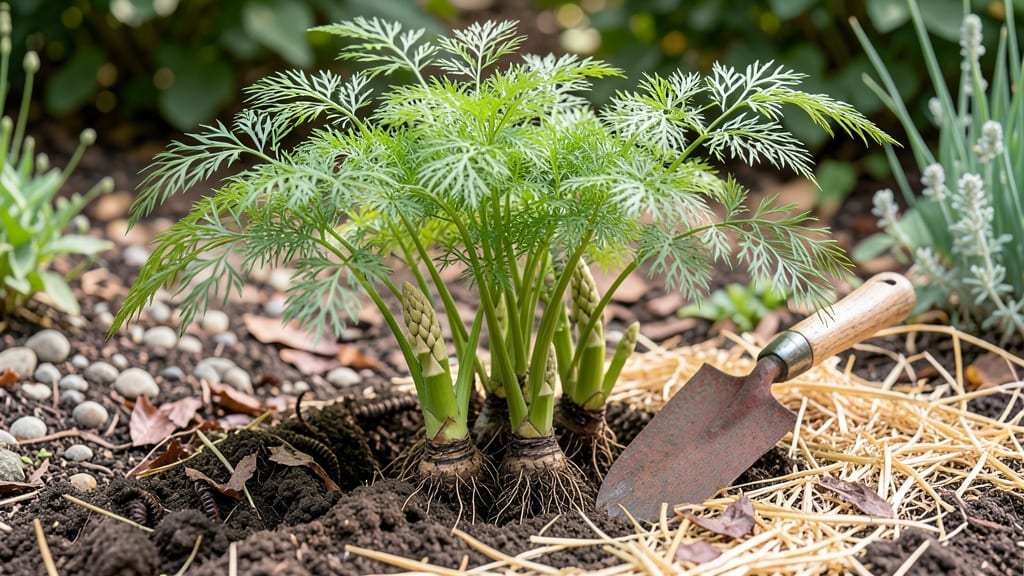
Planting asparagus in Zone 8 at the right time means the difference between a 3-year wait for your first harvest and a 2-year one—so timing matters more than you think.
Picture this: You’ve spent weeks prepping the soil, digging trenches, and ordering crowns, only to plant them too early or too late. Before you know it, a hard frost zaps your tender roots, or the heat arrives before they’ve even taken hold.
In Zone 8, the window is narrow, and missing it can set you back years of growth.
Most gardeners in Zone 8 aim to plant asparagus crowns 4-6 weeks before the last frost, typically between late February and early March. But coastal areas like San Diego might push it to January, while inland spots near Austin should wait until late March.
The key? Soil temperature—it needs to be at least 50°F for roots to establish properly.
In this guide, I’ll break down the exact weeks to plant, how to prep your soil for maximum success, and the one mistake that stunts asparagus growth in Zone 8 gardens.
Whether you’re a first-timer or a seasoned grower, these tips will help you avoid the common pitfalls and get spears in your kitchen faster.
Optimal asparagus planting weeks before last frost in Zone 8
Timing is everything when planting asparagus crowns in Zone 8. Unlike many vegetables, asparagus thrives when planted 4-6 weeks before your last frost date, giving roots time to establish before active growth begins.
In Zone 8, this typically means planting between mid-January and early March, but your exact window depends on local frost patterns and soil temperatures.
For most of Zone 8, the last frost date falls around February 15, with coastal areas potentially seeing earlier dates. This means your planting window opens in January—earlier than many gardeners expect.
Planting too late risks stunted root growth, while planting too early can expose tender crowns to winter freezes.
Soil temperature is your best guide: aim for 40-50°F at planting time. In Zone 8, this usually aligns with late winter when daytime highs reach the 50s°F range. Use a soil thermometer to confirm—cold, wet soil can delay root establishment and invite rot diseases.
Here’s the ideal timeline for planting asparagus crowns in Zone 8:
While spring planting is ideal, some gardeners attempt fall planting in Zone 8—but this is risky. Crowns planted in October or November may not establish roots before winter dormancy, leading to poor survival.
If you must plant in fall, do so 8-10 weeks before first frost (around mid-October) and use extra mulch (4-6 inches) to insulate roots.
Pro tip: Soak crowns in water for 1-2 hours before planting to jumpstart root growth. This is especially helpful in Zone 8’s often-dry winter soils. After planting, water deeply (1-2 inches) to encourage root penetration into cooler soil layers where temperatures are more stable.
Zone 8’s microclimates can shift planting windows by 2-4 weeks. Coastal areas (like San Diego) may plant as early as December, while inland valleys (like Phoenix) should wait until late February.
Check your local Almanac frost dates and adjust accordingly—asparagus roots hate heat stress.
Remember: First-year spears shouldn’t be harvested—let the plant focus on root development. By planting at the right time, you’ll ensure a strong crown ready to produce spears for 15+ years. Patience pays off with asparagus! 🌱
Key factors that affect asparagus planting success in Zone 8
In Zone 8, asparagus thrives when planted during the right temperature window, but success depends on more than just timing. Soil temperature, moisture levels, and even your local microclimate can shift your ideal planting window by weeks.
For example, coastal areas may have milder winters, while inland regions face colder snaps that demand earlier starts. Understanding these factors ensures your asparagus crowns establish strong roots before summer heat arrives.
Soil temperature is the most critical factor—asparagus crowns need soil to reach 50°F (10°C) before planting. In Zone 8, this typically happens between late January and early March, but it can vary by 2-4 weeks depending on elevation and proximity to water bodies.
For instance, areas near San Francisco Bay might plant in February, while inland spots like Phoenix could start as early as January.
Moisture levels also play a pivotal role. Asparagus roots are sensitive to drought during establishment, so planting in well-draining soil with consistent moisture is essential.
If your spring arrives with unusually dry conditions, you may need to adjust your planting date to align with natural rainfall patterns or invest in drip irrigation to keep the soil evenly moist.
⚠️ callout warning
⚠️ Zone 8 Frost Risks Can Ruin Your Planting
Even in Zone 8, unpredictable late frosts (below 28°F (-2°C)) can kill young asparagus crowns. Check your local frost-free date—most Zone 8 areas average February 15, but inland valleys may see frost until March 15. Plant 4-6 weeks before your last frost date to give roots time to establish before summer heat peaks.
Pro Tip: Use a frost cloth for the first 2 weeks after planting if your area has a history of late frosts.
Local microclimates can create dramatic differences in planting success. For example, a south-facing slope warms up faster than a north-facing garden, allowing you to plant 2-3 weeks earlier. Conversely, low-lying areas or urban heat islands may experience earlier soil warming, making late January planting ideal.
Always monitor your garden’s specific conditions by checking soil temperature with a soil thermometer—aim for 50°F (10°C) at 4 inches deep.
Adjusting for early or late frosts is another key strategy. If your area has a reputation for unpredictable cold snaps, consider planting asparagus crowns in fall (October-November) instead of spring.
This gives the roots extra time to establish before the next growing season. However, avoid planting too early—soil temperatures below 40°F (4°C) can stunt root growth and increase disease risk.
Finally, don’t overlook the role of organic matter in your soil. Asparagus prefers loamy, well-amended soil with a pH of 6.5-7.5. If your native soil is heavy clay or sandy, mix in compost or aged manure 4-6 weeks before planting to improve drainage and fertility.
This preparation step is just as important as timing, as it ensures your asparagus has the nutrients it needs to thrive during its 3-year establishment period.
By paying attention to these key factors—soil temperature, moisture, microclimates, and frost risks—you’ll set your asparagus up for a healthy, productive life in your Zone 8 garden. With the right timing and care, you’ll enjoy homegrown spears for decades to come! 🌱