Plants
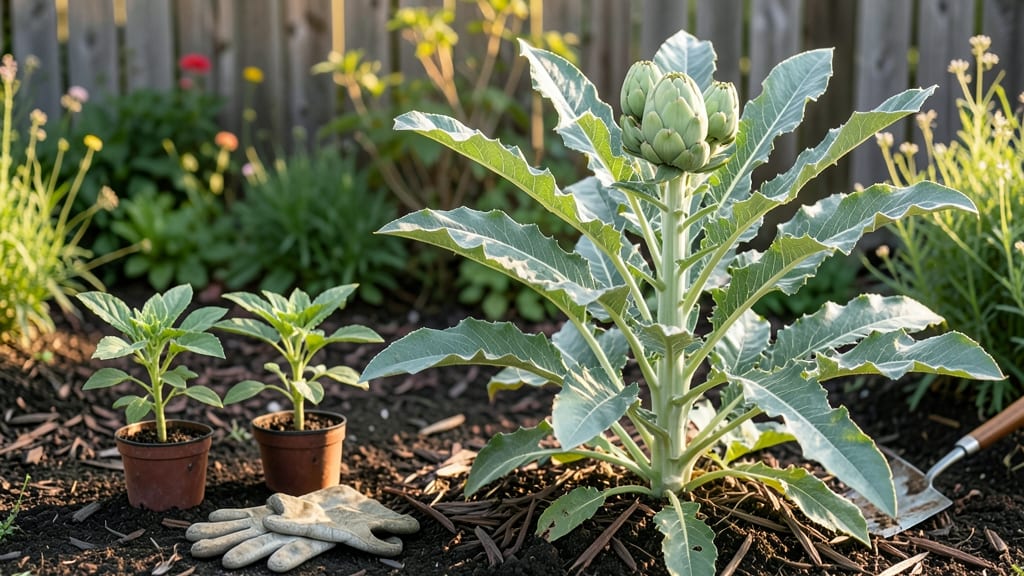
Plant artichokes in Zone 7 about 6-8 weeks before your last frost date—typically by mid-March for Zone 7a or late February for 7b—to give them time to establish roots before warm weather kicks in.
Miss that window, and you risk stunted growth or frost damage, turning your dream harvest into a bitter disappointment. I’ve seen gardeners in the Piedmont rush their artichokes, only to watch them bolt in the heat or struggle with poor soil drainage.
Getting the timing right isn’t just about the calendar—it’s about soil temperature, microclimates, and whether you’re starting from transplants or direct sowing. Coastal areas in Zone 7b can plant earlier, while inland spots near 7a need to wait.
Below, I break down the exact deadlines, soil prep secrets, and how to adjust for late frosts or early heat—so you end up with plump, tender artichokes, not sad, shriveled buds.
Optimal planting windows for artichokes in Zone 7 (with frost-free guarantees)
Zone 7 gardeners enjoy a longer growing season for artichokes than cooler climates, but precise timing prevents frost damage or stunted growth. The key is planting 4-6 weeks before your last frost date, with soil temperatures consistently above 60°F (15°C).
For Zone 7a (colder microclimates like the Piedmont), aim for March 15, while Zone 7b (coastal areas) can start as early as February 28.
Artichokes are perennial in Zone 7, meaning they return yearly, but they need warm soil to germinate. Direct sowing in late spring (April-May) works, but transplants give you a head start.
Fall planting is risky unless you use row covers—artichokes won’t survive winter frosts below 20°F (-7°C). Stick to spring planting for reliable results.
Soil temperature is non-negotiable: seeds won’t sprout below 60°F (15°C). Use a soil thermometer to confirm readiness. In coastal Zone 7b, warmer microclimates may allow February planting, but inland areas should wait until March 1 to avoid cold snaps. Piedmont regions often see later last frosts, so adjust accordingly.
Here’s how Zone 7’s microclimates affect your timing: • Coastal (7b): Plant February 28-March 15 (warmer, earlier last frost). • Piedmont (7a): Plant March 15-April 1 (cooler, later last frost). • Valleys/Urban Heat Islands: Can plant 2 weeks earlier due to warmer soil.
For direct sowing, plant seeds ½ inch deep in rows spaced 3 feet apart. Thin seedlings to 18–24 inches apart once they’re 4–6 inches tall.
Transplants should have well-developed roots and be hardened off before going into the ground. Coastal gardeners can push the envelope with February starts, but Piedmont growers should wait until March 15 to avoid frost.
Artichokes need full sun (6–8+ hours daily), so choose a south-facing spot with well-draining soil. Amend clay soil with compost or sand to prevent waterlogging. Test your soil pH—artichokes thrive in 6.5–7.5.
If your soil is too acidic, add lime before planting. Mulch heavily after planting to retain moisture and regulate soil temperature.
If you’re in a late-frost-prone area, use frost cloth or row covers until the danger of frost has passed. Remove covers during the day to prevent overheating. Coastal Zone 7b gardeners can often skip covers entirely, but Piedmont growers should have them ready until April 15.
Monitor your local Almanac frost dates for real-time adjustments.
Artichokes take 100–150 days to harvest, so time your planting for a late spring harvest (May–July). If you plant too late, you’ll miss the window entirely. Green Globe varieties mature faster (100 days), while Romanesco takes 120–150 days.
Plan accordingly—Zone 7b gardeners can squeeze in a second crop if they plant transplants by August 1, but this
How to extend your artichoke growing season in Zone 7 (cold protection hacks)
Zone 7’s mild but unpredictable climate can turn your artichoke dreams into frost-bitten disappointments if you’re not prepared. Even with the right planting timing, late frosts or unexpected heatwaves can derail your harvest. The key? Proactive protection that shields your plants while still letting them thrive.
With the right strategies, you can safely extend your artichoke season into fall or even start earlier in spring without risking plant health.
Artichokes are semi-tender perennials that can handle light frosts (down to 20°F for established plants), but young seedlings and new growth are far more vulnerable.
The secret to success lies in layered protection—combining mulching, row covers, and smart companion planting to create a microclimate that mimics ideal growing conditions year-round. Let’s dive into the cold protection hacks that will keep your artichokes safe and productive.
⚠️ callout-warning
Start with mulching, the first line of defense against temperature swings. Apply a 4-6 inch layer of straw or wood chips around your artichoke plants in early spring to insulate roots and retain moisture.
For fall planting, add mulch 6-8 weeks before the first expected frost to give young plants a head start. Mulch also suppresses weeds and keeps soil consistently moist, which artichokes crave—especially during their critical growth phases.
For extra cold protection, invest in floating row covers (made of lightweight fabric like Reemay). These covers raise soil temperatures by 5-8°F and shield plants from light frosts down to 25°F.
Secure the edges with bricks or soil to prevent wind damage, and remove covers during daytime warmth to avoid overheating. If a hard freeze (below 20°F) is forecasted, swap row covers for heavier frost blankets or even a mini greenhouse setup with a clear plastic tunnel.
Don’t overlook the power of companion planting to naturally extend your season. Pair artichokes with tall sunflowers or corn to create a windbreak and reduce temperature fluctuations. Plant low-growing herbs like thyme or oregano around the base to insulate soil and deter pests.
These companions also improve soil health, giving your artichokes a nutrient boost that helps them recover faster from temperature stress.
To push your harvest into late fall, try succession planting with cold-hardy varieties like ‘Violetto’ or ‘Romanesco’. Plant a second batch in late July and use row covers to protect them through October’s chill.
For early spring starts, begin seedlings indoors in February under grow lights and transplant outdoors 4-6 weeks before your last frost date. With these season-extending hacks, you’ll enjoy fresh artichokes from May through November—or even later, if you’re strategic!
Remember, the goal is balance: protect your plants from extreme cold while still allowing them to photosynthesize and grow. Monitor your local weather forecasts, adjust your protection layers as needed, and don’t hesitate to prune damaged foliage to redirect energy to new growth.
With patience and the right techniques, your Zone 7 artichoke patch will thrive year after year—no frost-related surprises included. 🌱