Planting
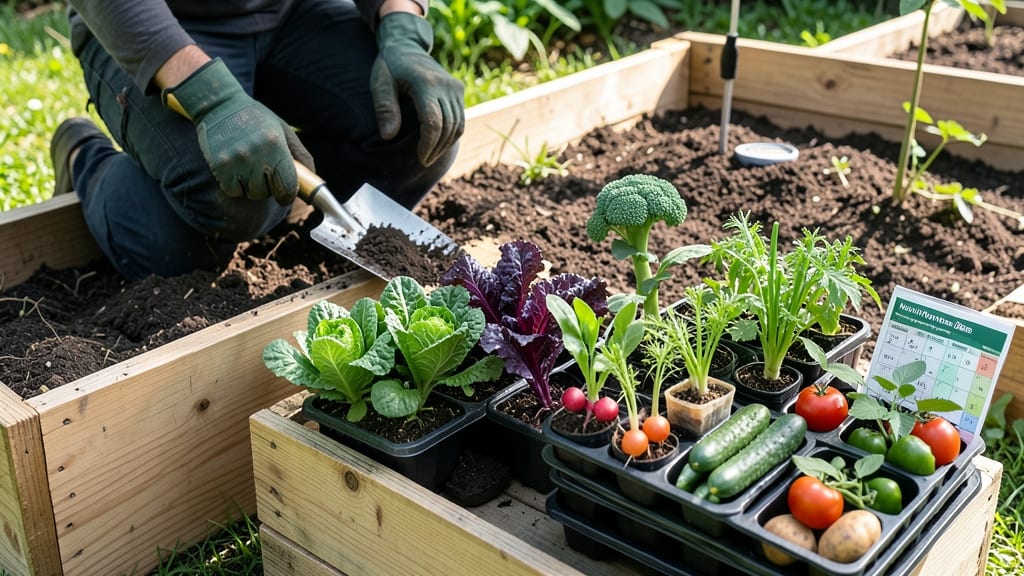
Planting a vegetable garden in New York requires timing your crops to avoid frost and maximize your harvest—whether you're in NYC or upstate.
New York’s unpredictable spring weather can turn a gardener’s excitement into frustration—planting too early risks frost damage, while waiting too long shortens your growing season. But with the right timing, you can maximize your harvest from leafy greens to tomatoes, all while avoiding common mistakes that plague NYC gardeners.
Cool-season vegetables like lettuce and peas thrive when planted as early as March, while tomatoes and peppers need to wait until after the last frost, typically mid-May in most of the state.
Each region—NYC, Long Island, or the Hudson Valley—has slightly different frost dates, so knowing your zone is key.
In this guide, I’ll break down the best planting windows for your favorite vegetables, share region-specific tips, and even show you how to extend your growing season with simple tricks. Ready to grow a bountiful garden? Let’s get started!
New York’s last frost dates by zone: critical planting windows for vegetables
New York’s USDA Zones 6-7 create a unique gardening challenge, where last spring frost dates can vary by 1-2 weeks between NYC, Long Island, and the Hudson Valley. Understanding these windows is key to avoiding frost damage while maximizing your growing season.
For most of NYC, the average last frost date falls between April 15-30, but microclimates near water or urban heat islands can shift this by 7-10 days.
Cool-season vegetables like spinach and kale thrive when planted 4-6 weeks before the last frost, often as early as late March under row covers. Warm-season crops such as tomatoes and peppers must wait until after May 10 in most areas, when soil temperatures consistently reach 60°F.
The first fall frost, typically between October 15-30, signals the end of the outdoor growing season for most vegetables.
Regional variations matter: Long Island’s coastal influence often delays last frosts by 5-7 days, while the Hudson Valley’s inland climate can bring frost 10 days earlier. Always check local frost date averages from sources like the Cornell Cooperative Extension to fine-tune your planting schedule. Even a single overnight frost can devastate tender seedlings, so timing is everything.
Here’s a quick reference for critical planting windows based on crop type and frost dates:
For NYC gardeners, the 10-year average last frost date for Manhattan is April 22, but Brooklyn and Queens can see frost as late as May 5 due to urban heat retention.
Always monitor local weather forecasts in the days leading up to your planting window—unpredictable late frosts happen even in May. I’ve learned this the hard way with my tomato seedlings in 2022!
If you’re in the Hudson Valley, aim to plant warm-season crops 2 weeks earlier than NYC, as frosts typically arrive 7-10 days sooner. Long Island gardeners, on the other hand, can often push planting dates 5-7 days later thanks to the moderating ocean influence.
For example, peppers can sometimes be planted outdoors by May 1 in the Hamptons, while Upstate gardeners should wait until May 15.
Pro tip: Use frost-sensitive indicators like hyacinths or crocuses to signal when it’s safe to plant. When these bloom, most of NYC is past the frost danger zone. For warm-season crops, wait until nighttime temperatures consistently stay above 50°F—this usually aligns with mid-May for most areas.
I always check my soil thermometer to confirm it’s reached 60°F before transplanting seedlings.
Don’t forget about fall planting! Many vegetables like kale and carrots can be sown as late as July 15 for a fall harvest. The key is calculating days to maturity
Best vegetables to plant in NYC’s spring and fall: a month-by-month guide
New York City’s short but productive growing season demands precision timing to avoid frost damage and maximize yields. Whether you’re a balcony gardener or managing a community plot, knowing when to plant each vegetable ensures you’ll enjoy fresh produce from spring through fall.
The key is understanding cool-season crops (like lettuce and kale) thrive in cooler temps, while warm-season varieties (tomatoes, peppers) need warmth to flourish.
For NYC gardeners, last spring frost dates typically fall between April 15–May 15, depending on microclimates, while the first fall frost usually hits October 15–November 1. This window is your golden opportunity for succession planting—sowing new seeds every 2–3 weeks to keep harvests continuous.
Let’s break it down by month for 12 easy-to-grow vegetables that perform well in NYC’s climate.
- 🌱 March–April (Cool-Season): Direct sow lettuce, spinach, radishes, peas as soon as soil is workable (around March 15). Transplant broccoli, cabbage, kale by April 1.
- 🌿 May (Warm-Season Prep): Harden off tomato, pepper, eggplant seedlings indoors by April 15. Transplant after last frost (May 10–20).
- ☀️ June–July (Peak Warm-Season): Direct sow beans, cucumbers, zucchini after soil reaches 60°F+. Succession plant basil, carrots every 2 weeks.
- 🍂 August–September (Fall Cool-Season): Sow kale, spinach, arugula by August 15 for fall harvests. Transplant broccoli, cabbage by September 1.
- ❄️ October (Last Chance): Extend season with row covers for lettuce, radishes. Harvest tomatoes, peppers before first frost.
Start with cool-season crops in early spring, like lettuce and spinach, which tolerate light frosts and can be planted as soon as the ground thaws. My favorite variety for NYC is ‘Black Seeded Simpson’ lettuce, which bolts slowly in heat.
For transplants like broccoli or cabbage, wait until soil temperatures hit 45°F+—usually mid-April—and protect young plants with floating row covers if frost threatens.
As temperatures rise, shift to warm-season vegetables like tomatoes and peppers. These need consistent warmth (70°F+ soil) to germinate, so start seeds indoors by March 1 and transplant after the last frost date.
For tomatoes, choose determinate varieties (like ‘Roma’) for bushier growth in containers or small spaces. Peppers take longer to mature, so get them in the ground by May 15 at the latest.
Don’t overlook succession planting—this technique lets you stagger harvests and avoid gluts. For example, sow radishes every 2 weeks from April through July for a steady supply. Similarly, bush beans can be planted in two batches: one in early June and another in late July.
This ensures you’ll have fresh beans through September before the first frost.
In fall, focus on hardy greens like kale and spinach, which actually sweeten after frost. Plant these by August 15 for a harvest before winter sets in.
For extended fall production, use low tunnels or cold frames to protect crops like lettuce and carrots until late October or November. Even herbs like cilantro thrive in cooler fall weather—sow a final batch in early September for harvests through October.
Remember, NYC’s microclimates vary—a south-facing window or rooftop garden may warm up faster than a shaded backyard. Always check soil temperature with a probe (ideal range: 60–75°F for most veggies) and monitor local frost forecasts from the National Weather Service.
With this schedule, you’ll enjoy homegrown veggies from April through November—no grocery store can beat that! 🌱